Small-Space Living Tips
Practical 3D printing advice: choosing an FDM or resin printer, picking filament, swapping nozzles and build surfaces, bed leveling and calibration, enclosures and cooling, and post-processing your prints. the US. No fluff, just what works.
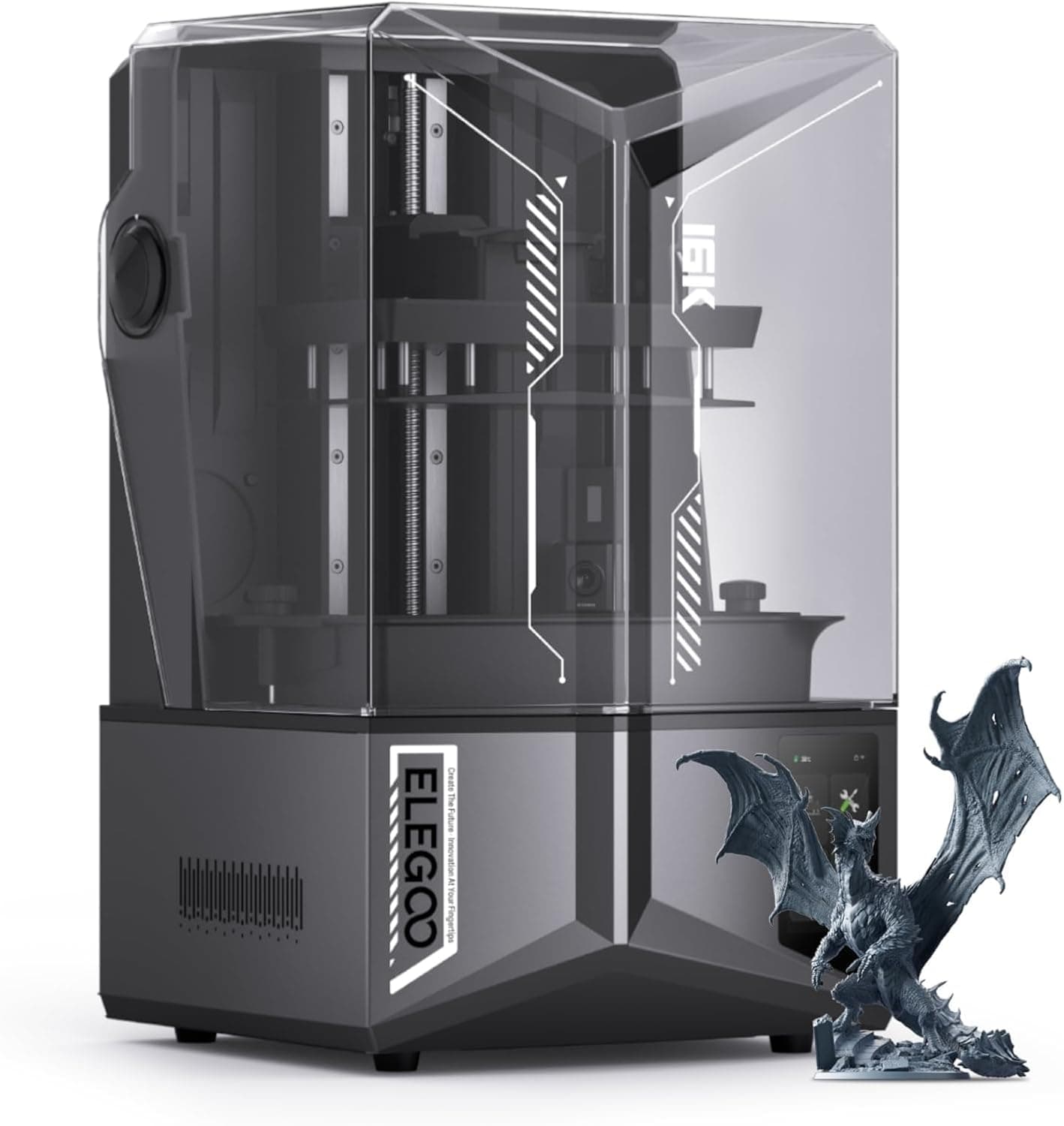
How to Make Resin Casting Molds Using a 3D Printed Master
Make a silicone mold for casting resin from a 3D printed master: prep and seal the print, build a mold box, pour silicone, cut it and cast copies.
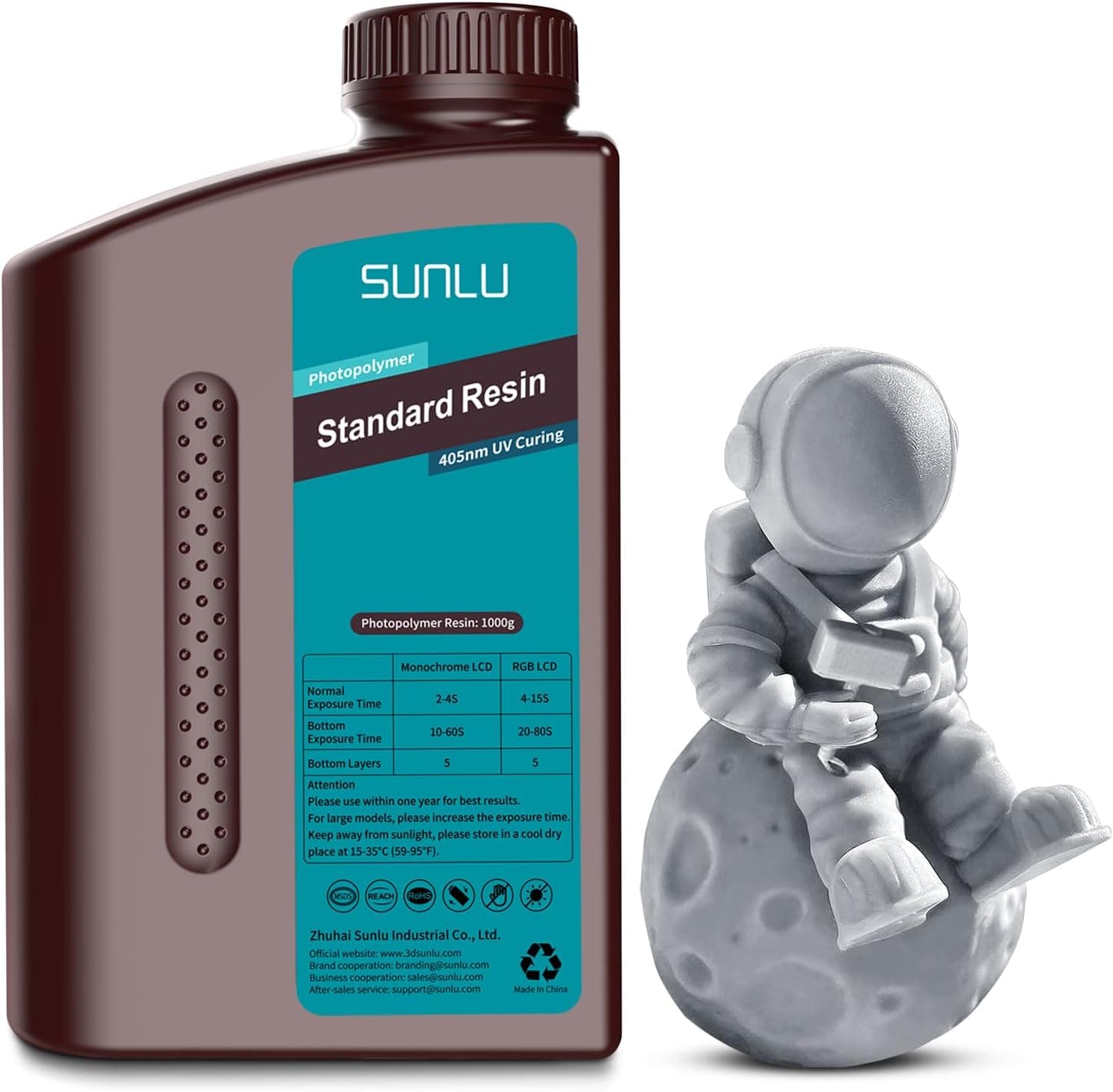
How to Paint Resin 3D Prints So the Paint Actually Sticks
Paint resin 3D prints in five steps: wash, cure, sand, prime, then thin coats of acrylic. Includes what causes tacky paint and which topcoat to use.
3D Printer Filament Temperature Chart
Typical nozzle and bed temperature ranges for PLA, PETG, ABS, TPU, and nylon, plus why brand and color can shift the right setting.
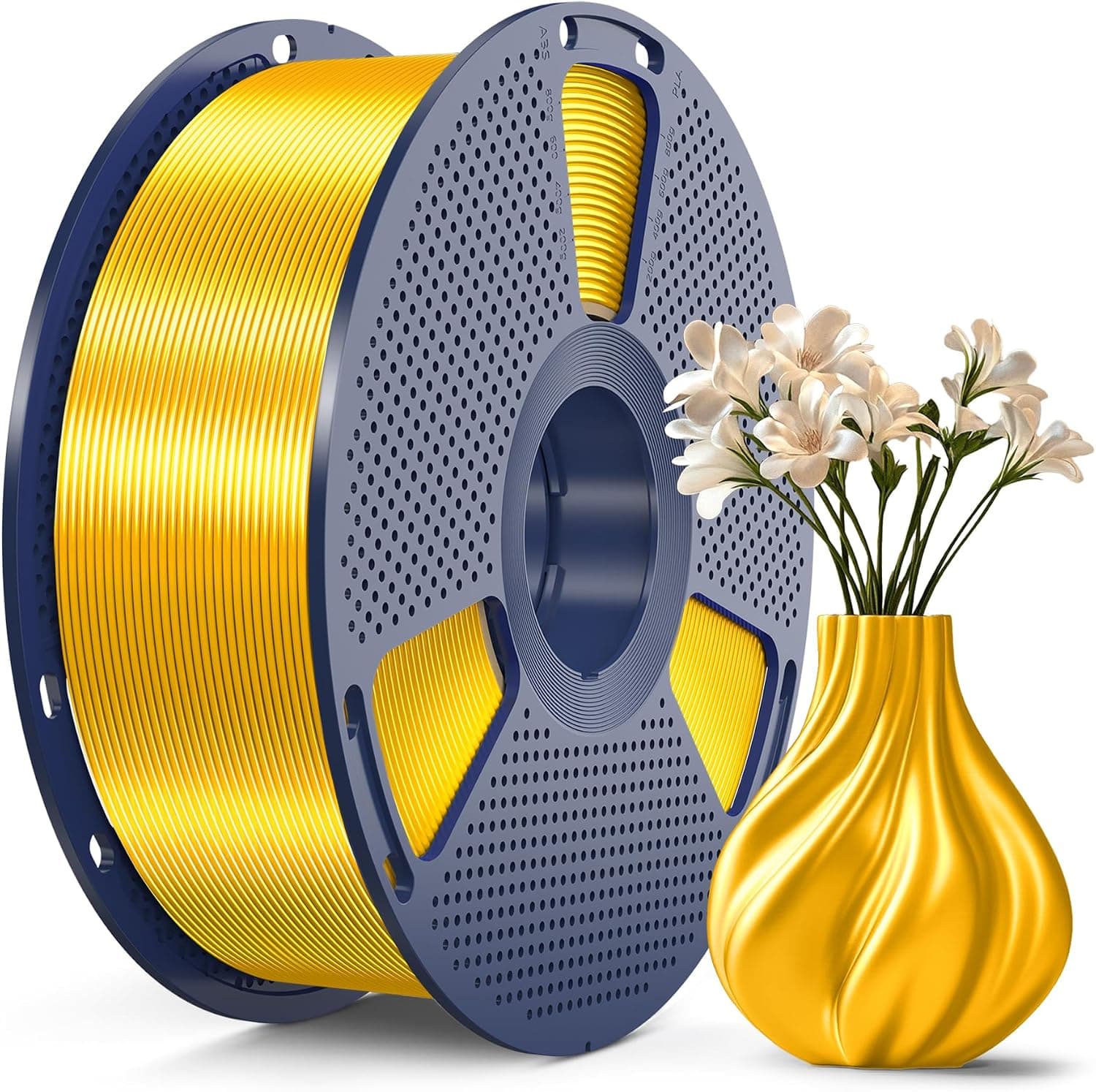
How to 3D Print Holiday Ornaments and Gifts
Plan 3D printed ornaments, gifts and decorations ahead of the holidays. Choosing models, materials, print queues, finishing techniques and safety tips.
How to Fix Resin Prints That Stick to the Vat Film
Finding cured resin on the vat film instead of a print on the plate? Build plate levelling, bottom exposure, temperature and FEP condition are the usual causes.
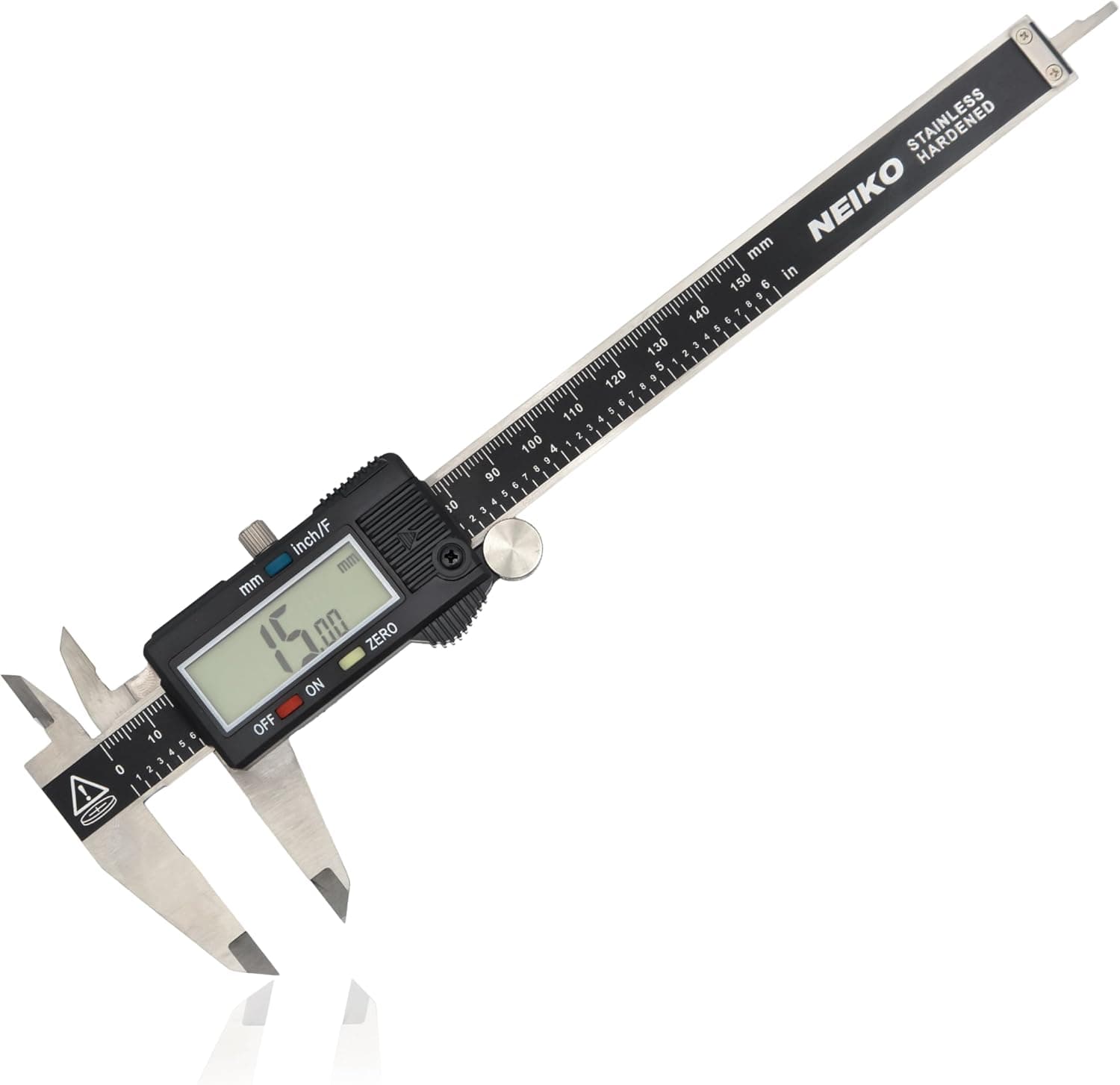
How to Fix Elephant's Foot on 3D Prints
The first layers bulge outward and parts no longer fit together. How bed temperature, nozzle height, first layer settings and slicer compensation fix elephant's foot.
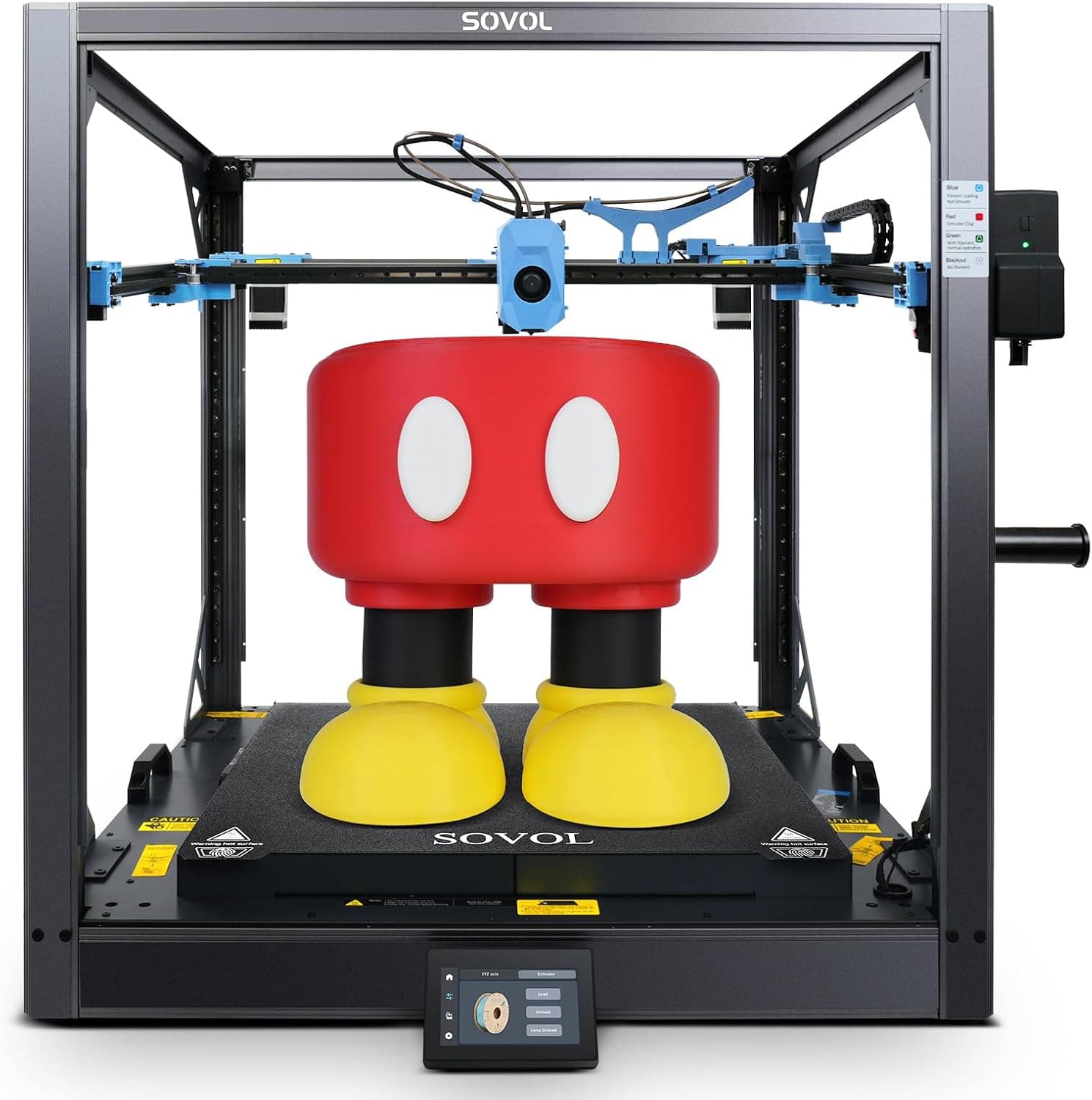
How to Fix Layer Shifting in 3D Prints
Prints that suddenly step sideways halfway up are a sign of layer shifting. How belts, pulleys, speed, collisions and stepper drivers cause it and how to fix each.
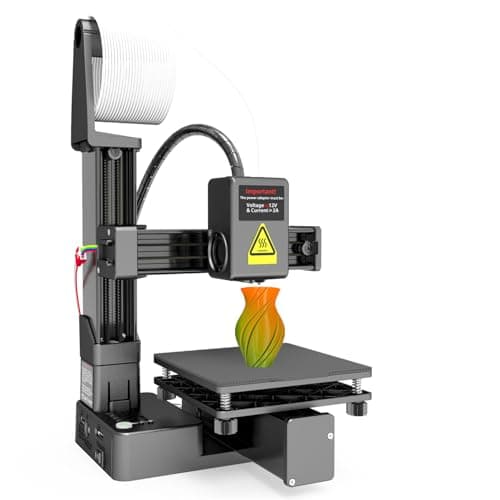
Troubleshooting a Failed 3D Print
Work through common print failures methodically, from first-layer problems and detachment to spaghetti, layer shifts, and clogs, with targeted fixes.
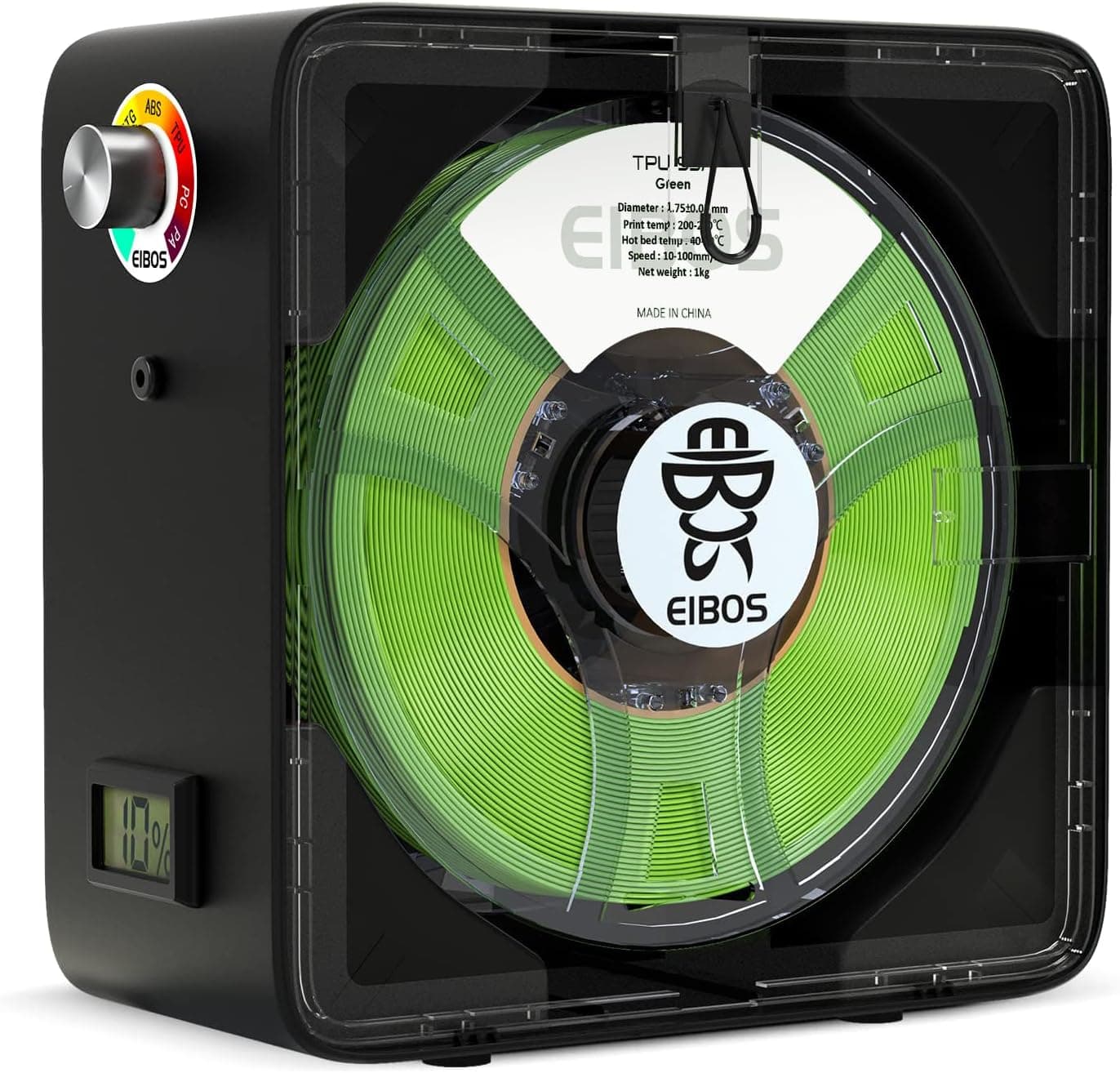
How to Store 3D Printer Filament and Keep It Dry
Protect your filament investment with storage methods that block moisture, from airtight boxes and desiccant to dry boxes for printing.
Using Calipers and Tolerances for Accurate 3D Prints
Measure prints accurately with calipers, understand why parts come out oversized, and design in the right tolerances for parts that fit together.
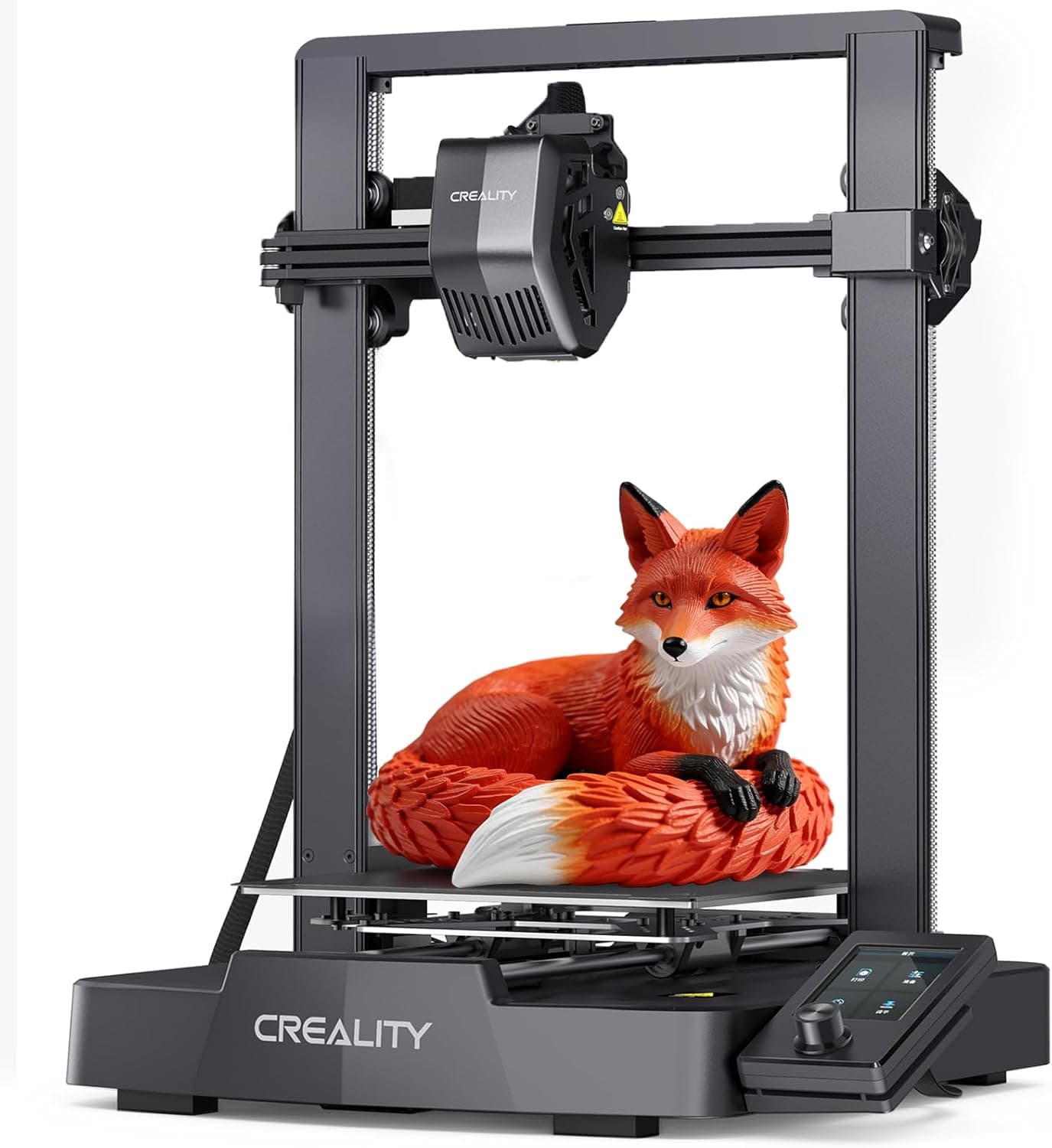
Post-Processing 3D Prints
Turn rough FDM prints into smooth finished pieces with a reliable sanding, filling, priming, and painting workflow that hides layer lines.
3D Printer Upgrades That Actually Matter for Print Quality
Cut through the noise on printer mods and focus on upgrades that genuinely improve reliability, quality, and speed, plus ones to skip.
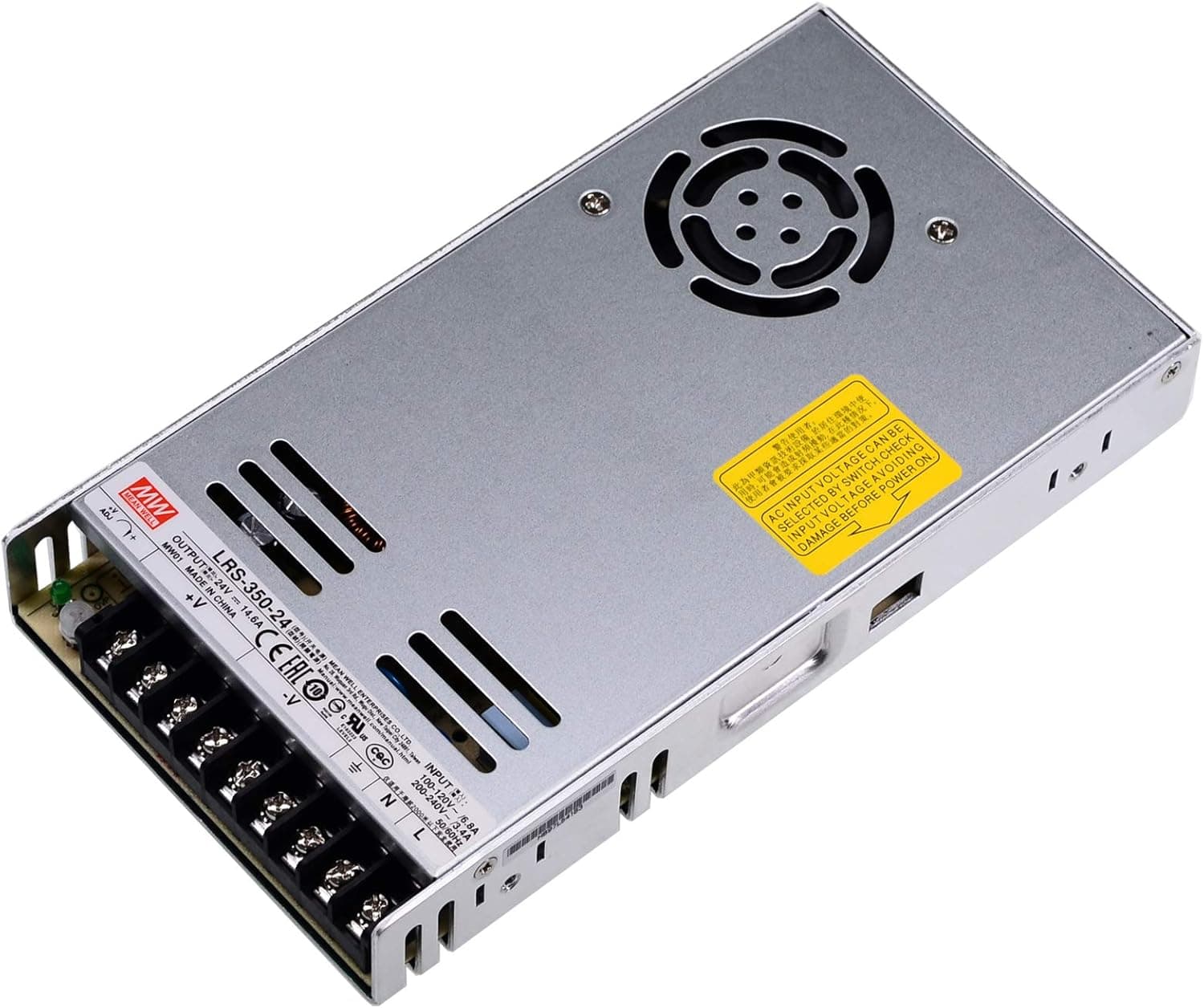
3D Printer Maintenance Schedule to Keep Prints Reliable
A practical maintenance routine covering daily, weekly, and monthly tasks to keep your FDM printer running reliably and printing consistently.
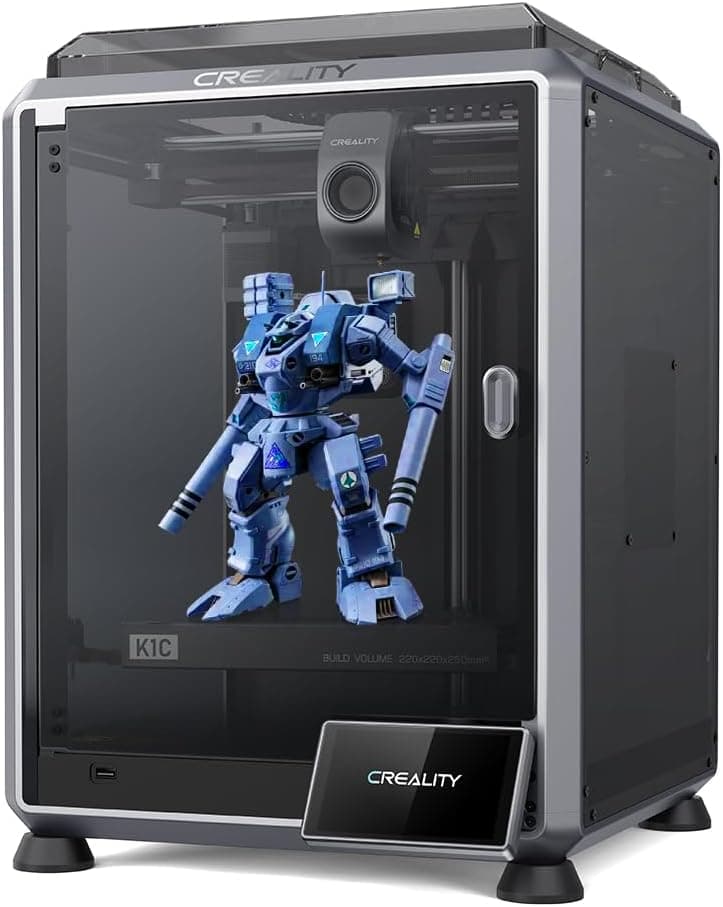
3D Print Speed vs Quality
Understand what really limits print speed, which settings to change safely, and how to go faster without sacrificing quality or reliability.
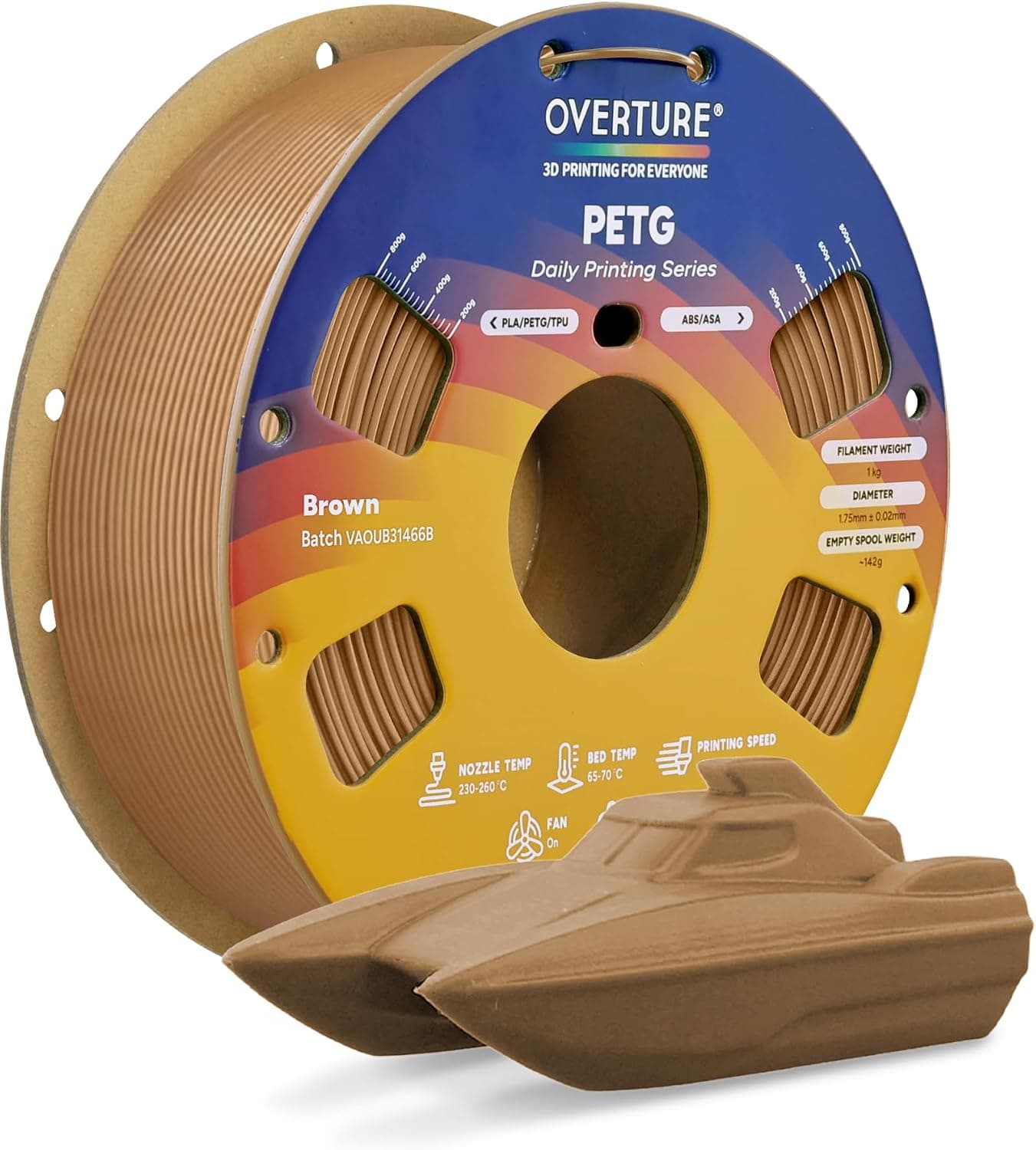
Improve Layer Adhesion and Make Stronger 3D Prints
Boost the strength of FDM prints by improving layer bonding through temperature, cooling, orientation, walls, and infill, with clear tradeoffs.
How to Prevent Warping in 3D Prints
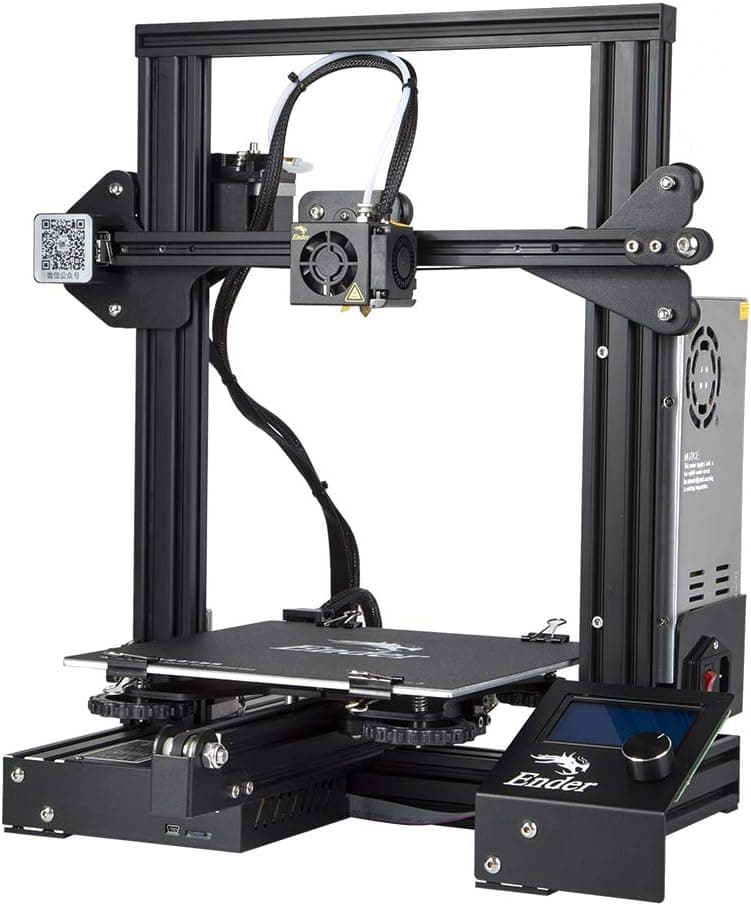
Stop corners lifting and prints detaching by controlling bed temperature, adhesion, cooling, and ambient temperature, with material-specific advice.
Part Cooling and Print Quality
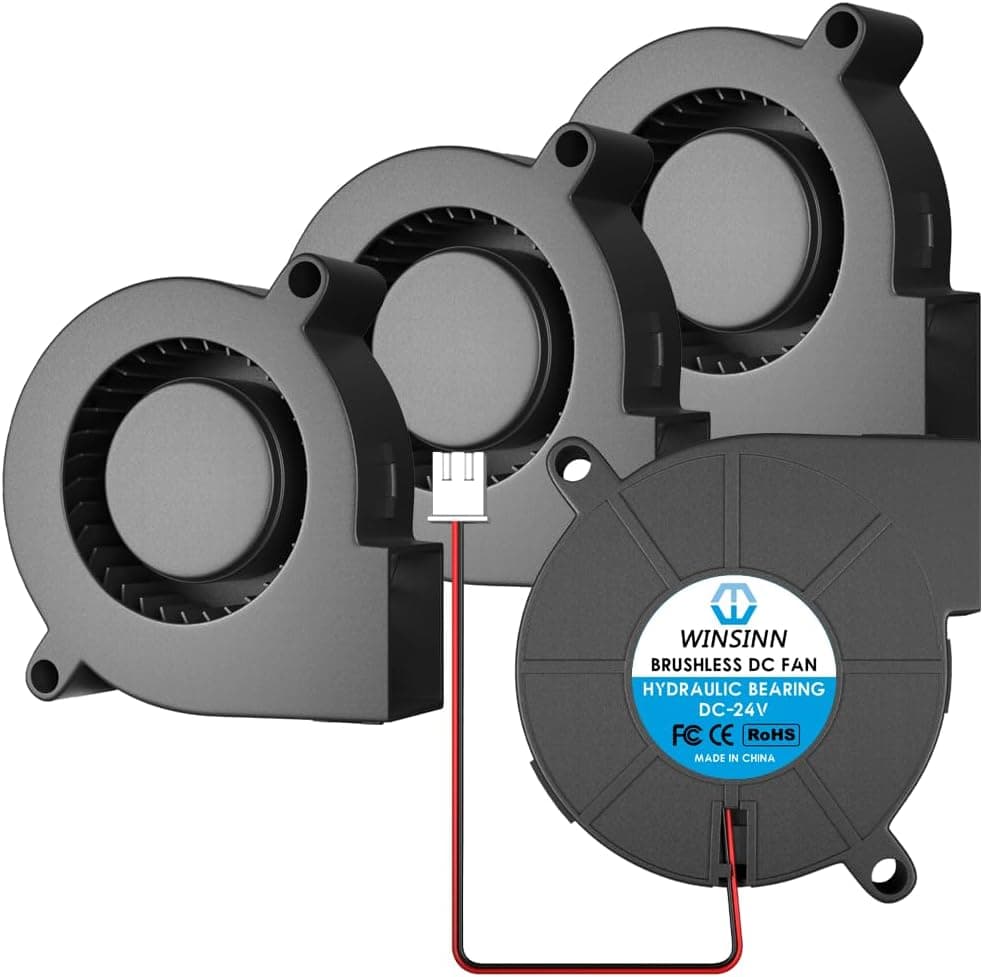
How part-cooling fans affect overhangs, bridges, detail, and layer strength, and how to tune fan speed per material for the best results.
Do You Need a 3D Printer Enclosure? Benefits and Setup
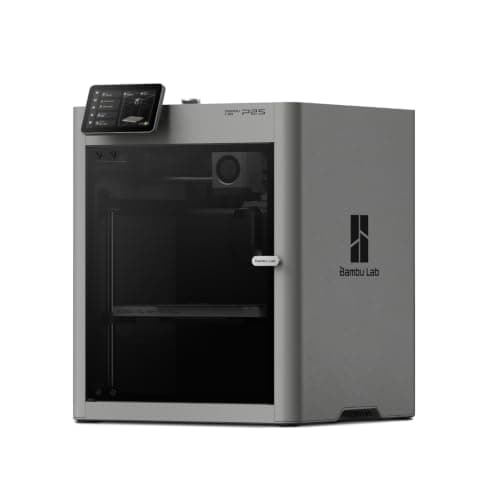
Learn what an enclosure does, which materials require one, and how to build or buy one safely, including ventilation and temperature considerations.
3D Printing Supports Guide
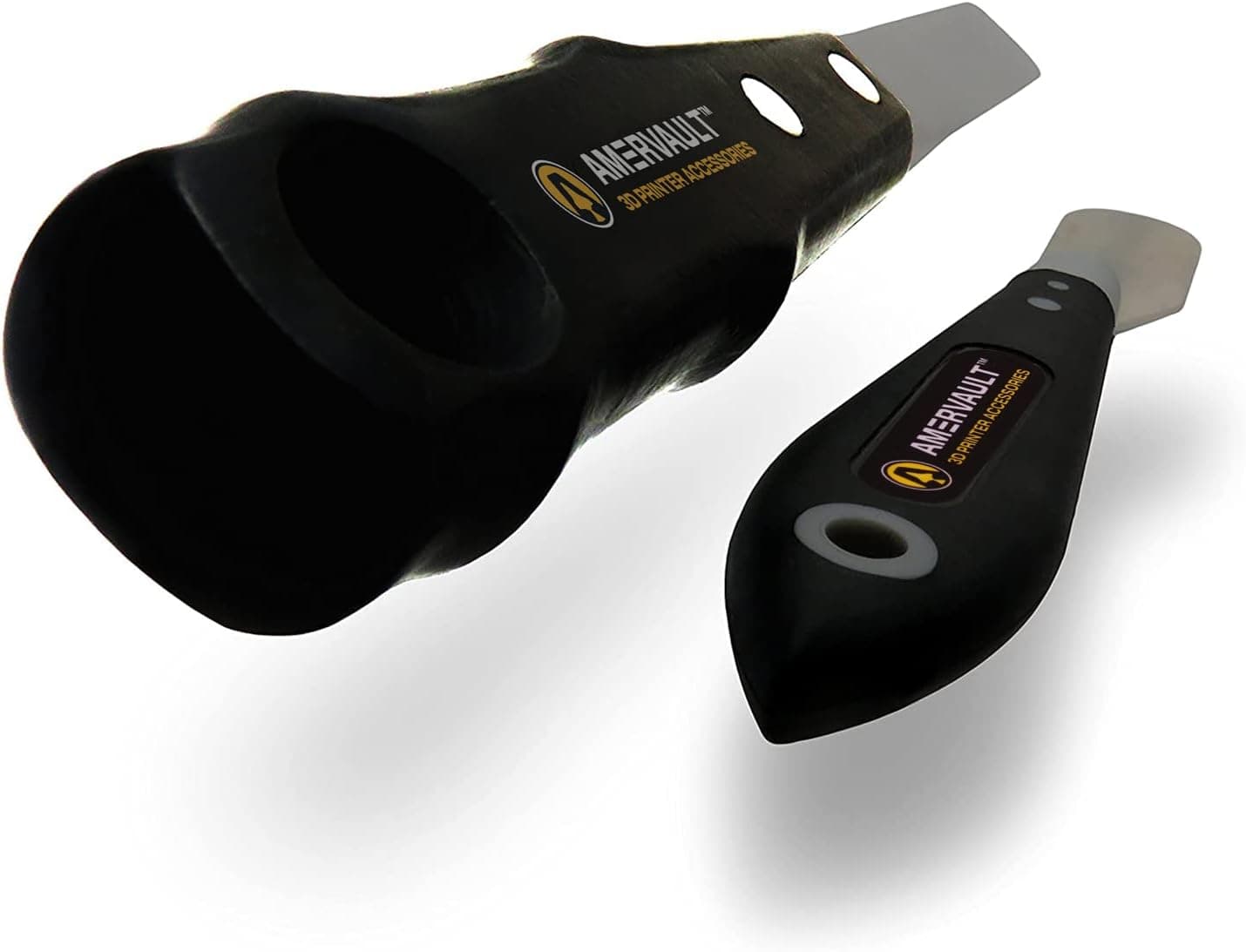
Learn when supports are needed, how to choose tree versus normal supports, tune settings for easy removal, and reduce the need for supports by design.
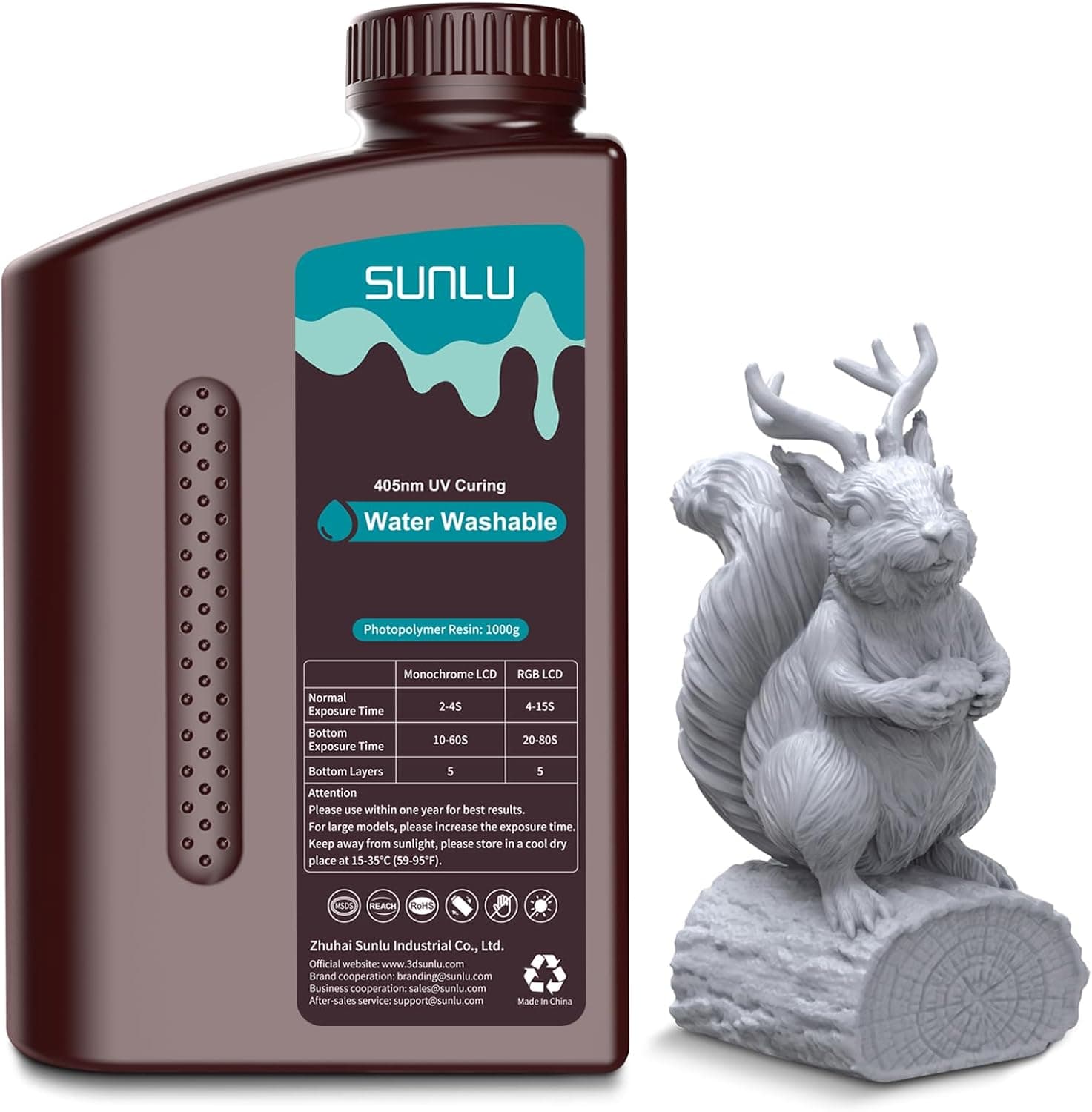
Resin Printing Safety
Handle liquid resin safely and finish prints properly, covering gloves and ventilation, washing in alcohol, post-curing, and safe waste disposal.
Resin 3D Printing Basics
Understand how MSLA resin printers work, what gear you need, and how to get clean first prints, from leveling and exposure to slicing and supports.
How to Dry Filament and Why Wet Filament Ruins Prints
Understand how filament absorbs moisture, spot the symptoms, and dry spools effectively with ovens, dedicated dryers, and correct temperatures.
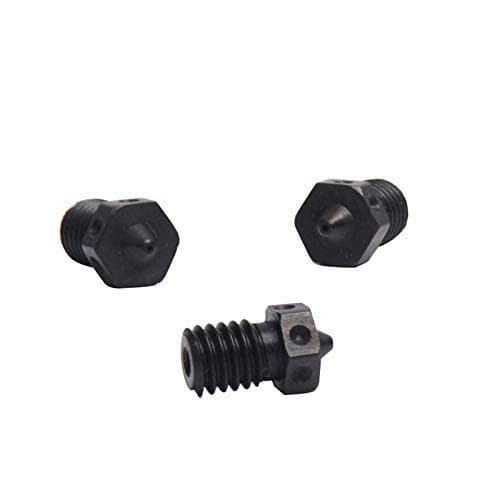
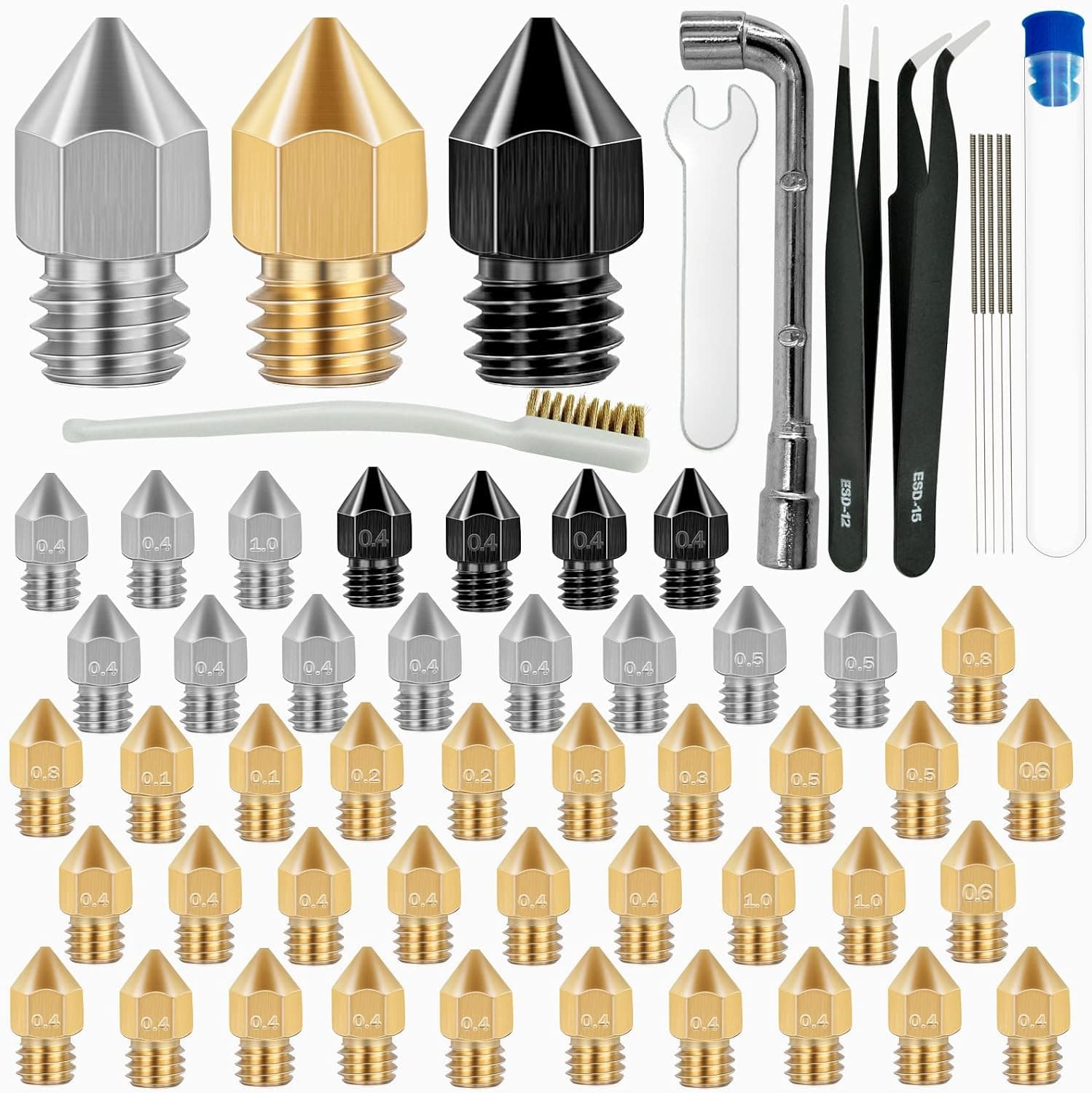
How to Change a 3D Printer Nozzle Safely and Correctly
A safe, step-by-step method for swapping nozzles, choosing sizes and materials, and avoiding leaks with hot tightening.
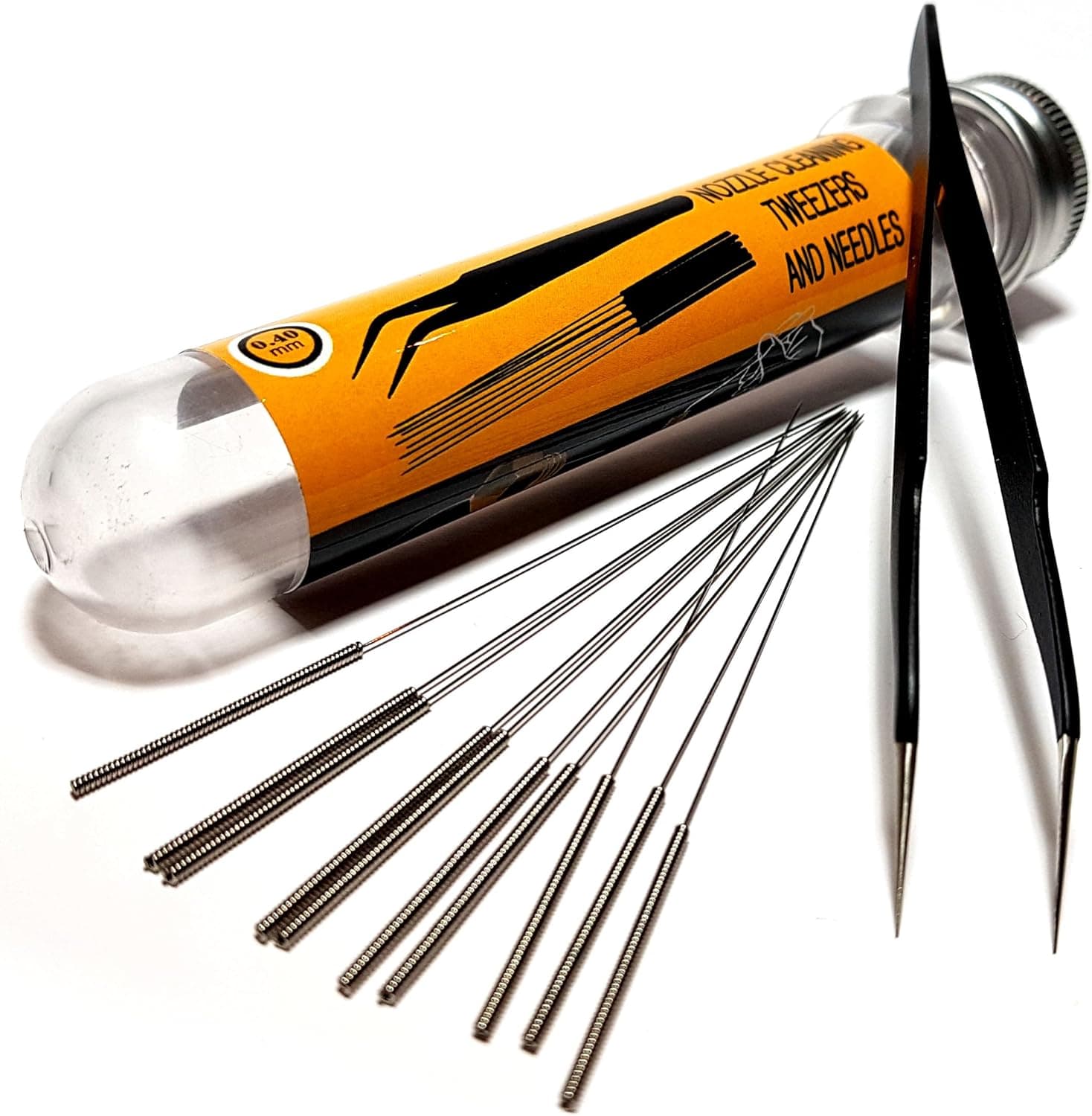
How to Clear a Clogged Nozzle on Your 3D Printer
Diagnose and fix partial and full nozzle clogs with cold pulls, needle cleaning, and proper heat, plus tips to stop clogs coming back.
Calibrate Flow Rate and E-Steps for Accurate Prints
Improve dimensional accuracy and surface quality by calibrating extruder steps and flow rate, with clear measurement steps and target tolerances.
Temperature Tower Guide
Learn how to print and read a temperature tower to find the ideal nozzle temperature for any filament, improving strength, overhangs, and surface quality.
How to Fix Stringing in 3D Prints
Eliminate the fine plastic hairs between print features by tuning retraction, temperature, travel moves, and drying your filament properly.
First Layer Adhesion
Fix prints that will not stick or that pop loose mid-job, with practical steps on cleaning, temperature, Z offset, surfaces, and adhesion aids.
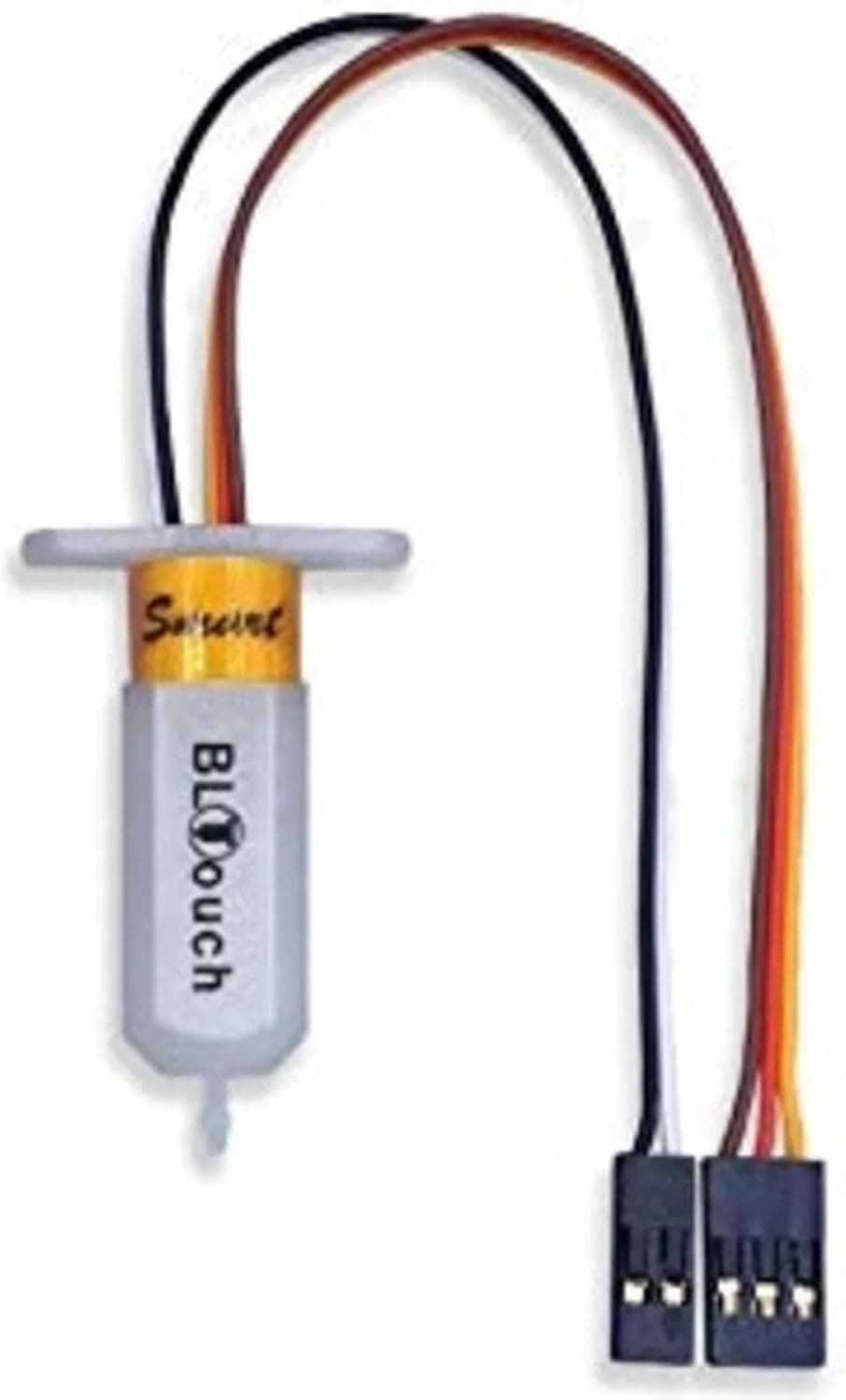
How to Level a 3D Printer Bed for a Perfect First Layer
Step-by-step guidance on manual and automatic bed leveling, setting nozzle height, and getting a consistent first layer across the whole build plate.
PLA vs PETG vs ABS
Compare PLA, PETG, and ABS on strength, temperature resistance, ease of printing, and typical uses so you can pick the right filament for each project.
How to Choose Your First 3D Printer
A practical guide to picking your first 3D printer, covering print technology, build volume, budget, and the features that actually matter for beginners.