Resin Printing Safety
Published How we research
Uncured resin is a skin irritant and sensitizer, so always wear nitrile gloves, work in a ventilated area with eye protection, and wash skin contact with soap and water, not solvent. Wash fresh prints in isopropyl alcohol (a dirty bath then a clean one), let them dry, then post-cure under UV in short sessions because over-curing makes parts brittle. Cure all liquid resin waste solid under UV before disposal, never down the drain. Liquid photopolymer resin is a skin irritant and sensitizer, so safety is not optional in resin printing. Uncured resin can cause rashes and, with repeated exposure, allergic reactions that build over time. Always wear nitrile gloves when handling resin, prints, or the vat, and keep the work area covered so drips are easy to clean. Wash any skin contact promptly with soap and water, not with solvent.
Products from this article
The highest-scoring picks from the buying guides this article links to. Scores are our editorial assessment, not customer ratings.
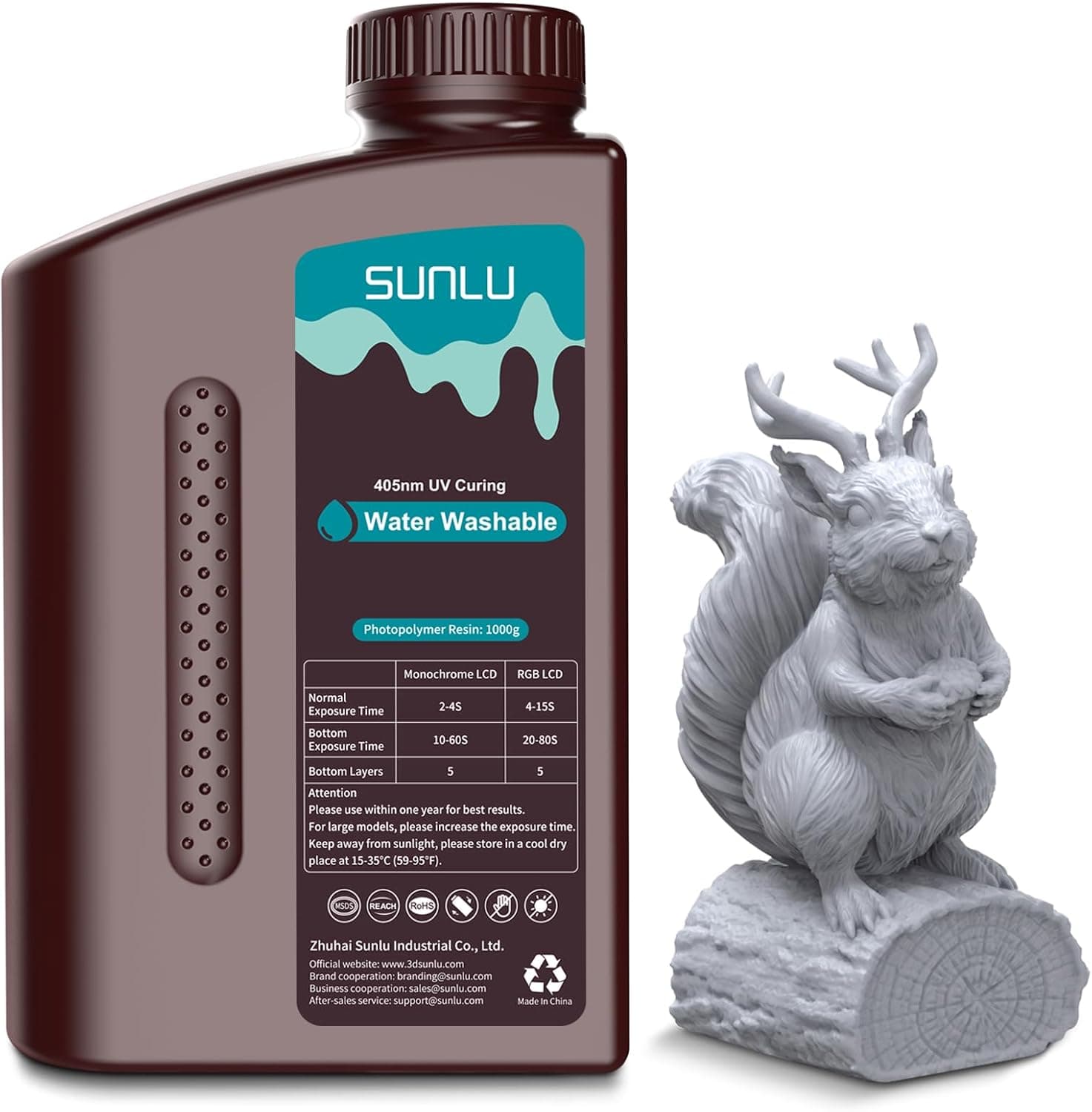
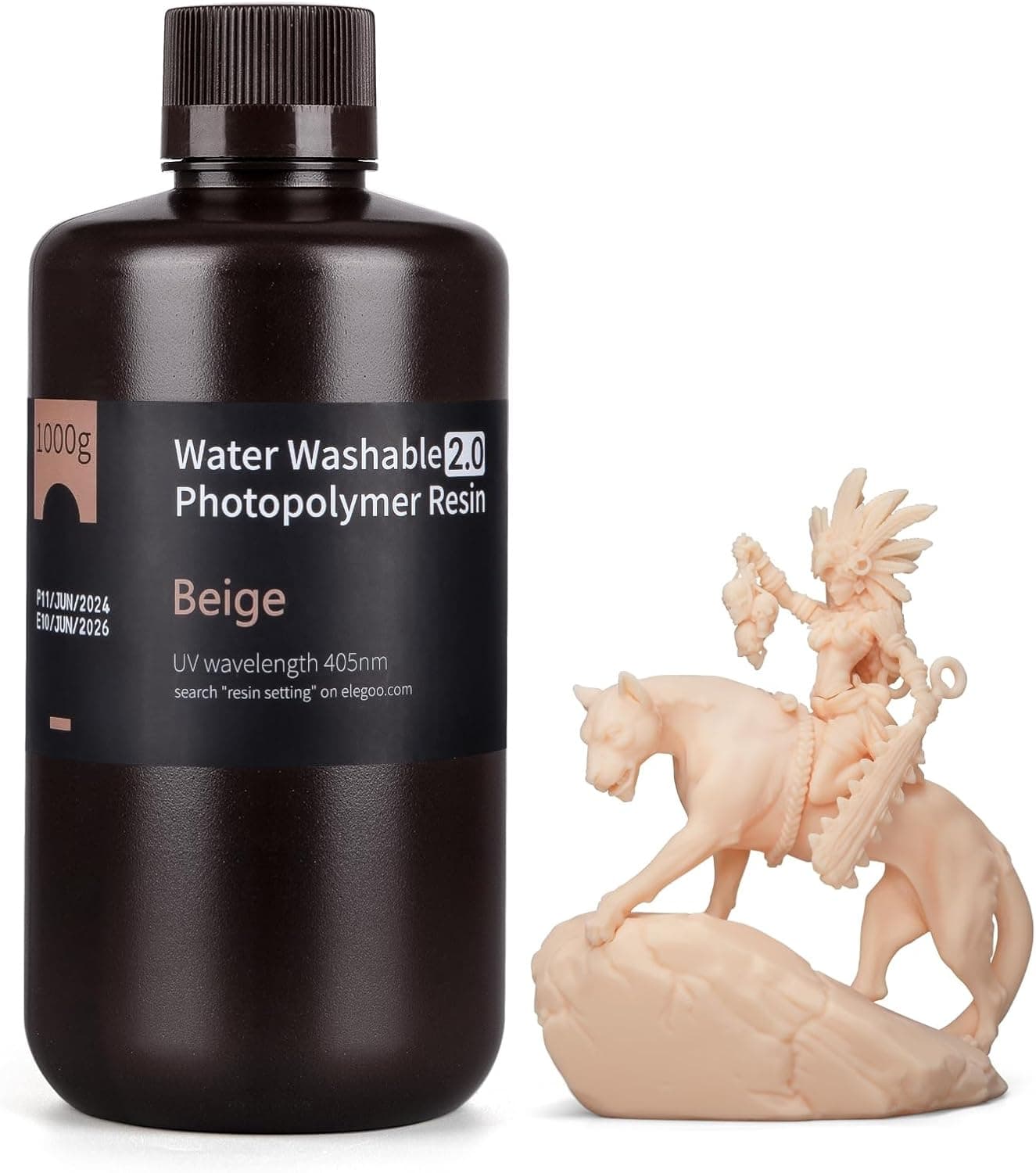
+ 8K formula pairs fine detail with the convenience of water washing
From our guide: Best Water-Washable Resin for Easy Cleanup (2026)
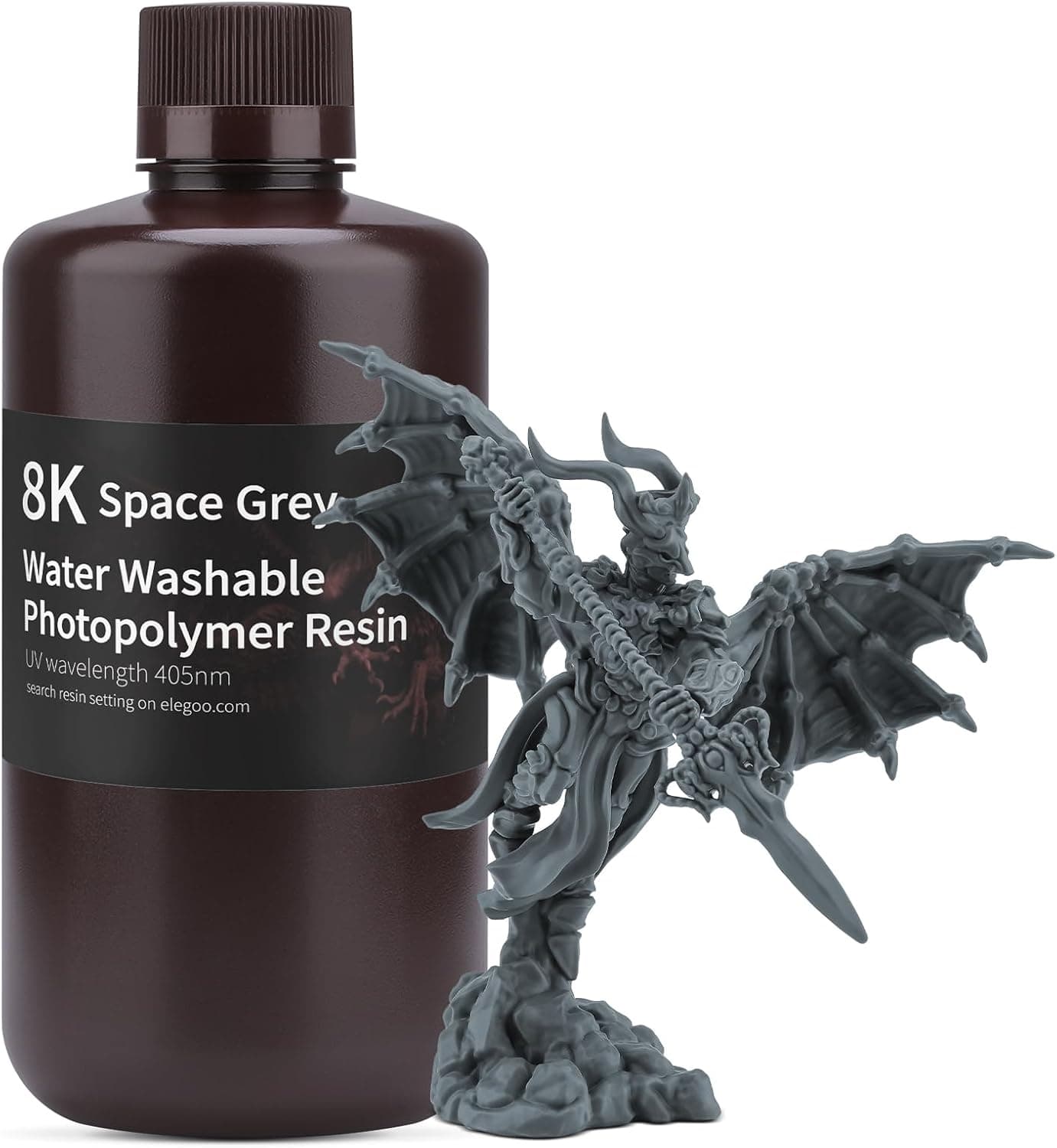
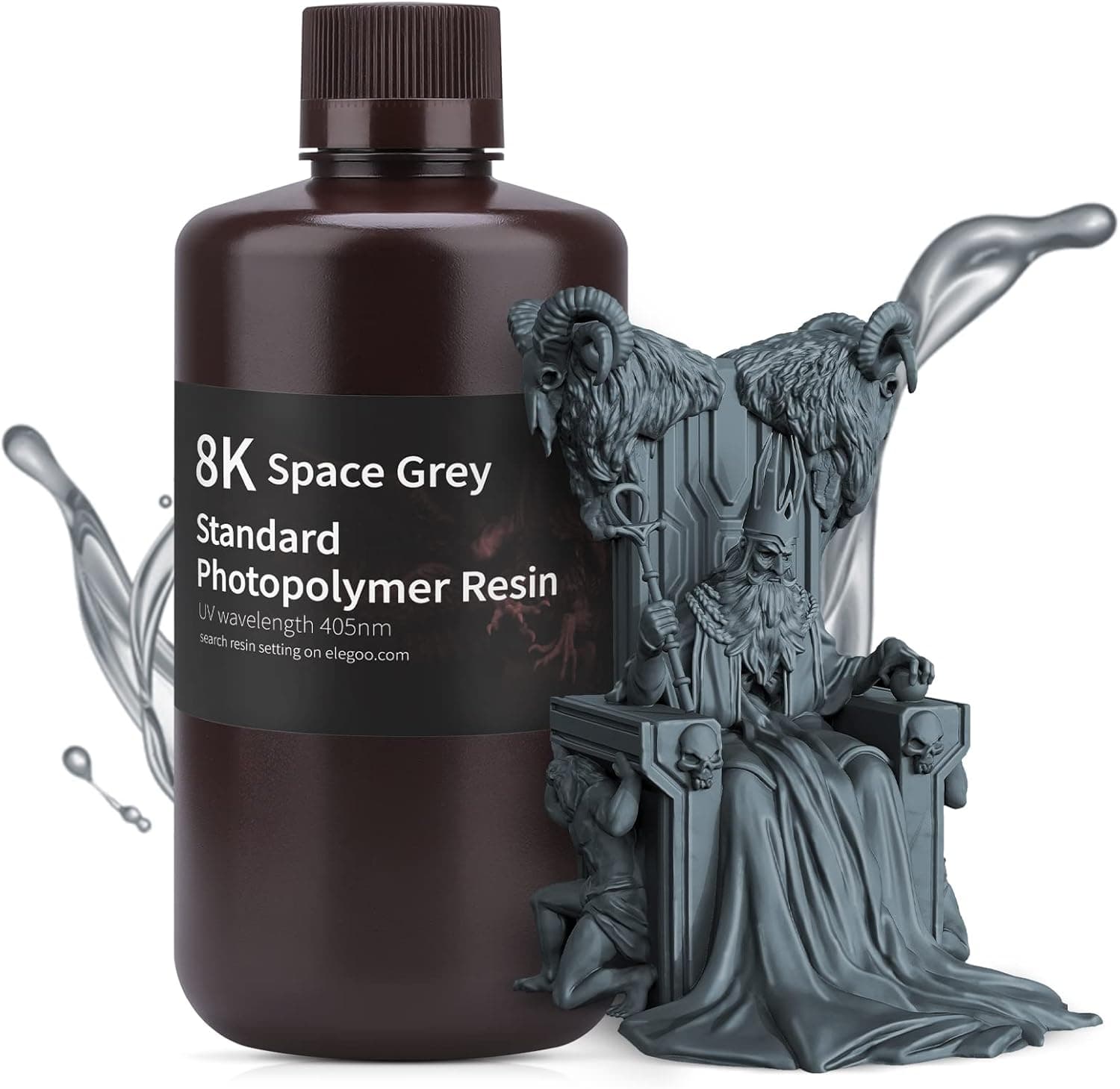
+ 8K formula is designed to hold fine detail on dense-pixel screens
From our guide: Best Standard Resin for Sharp, Affordable Prints (2026)
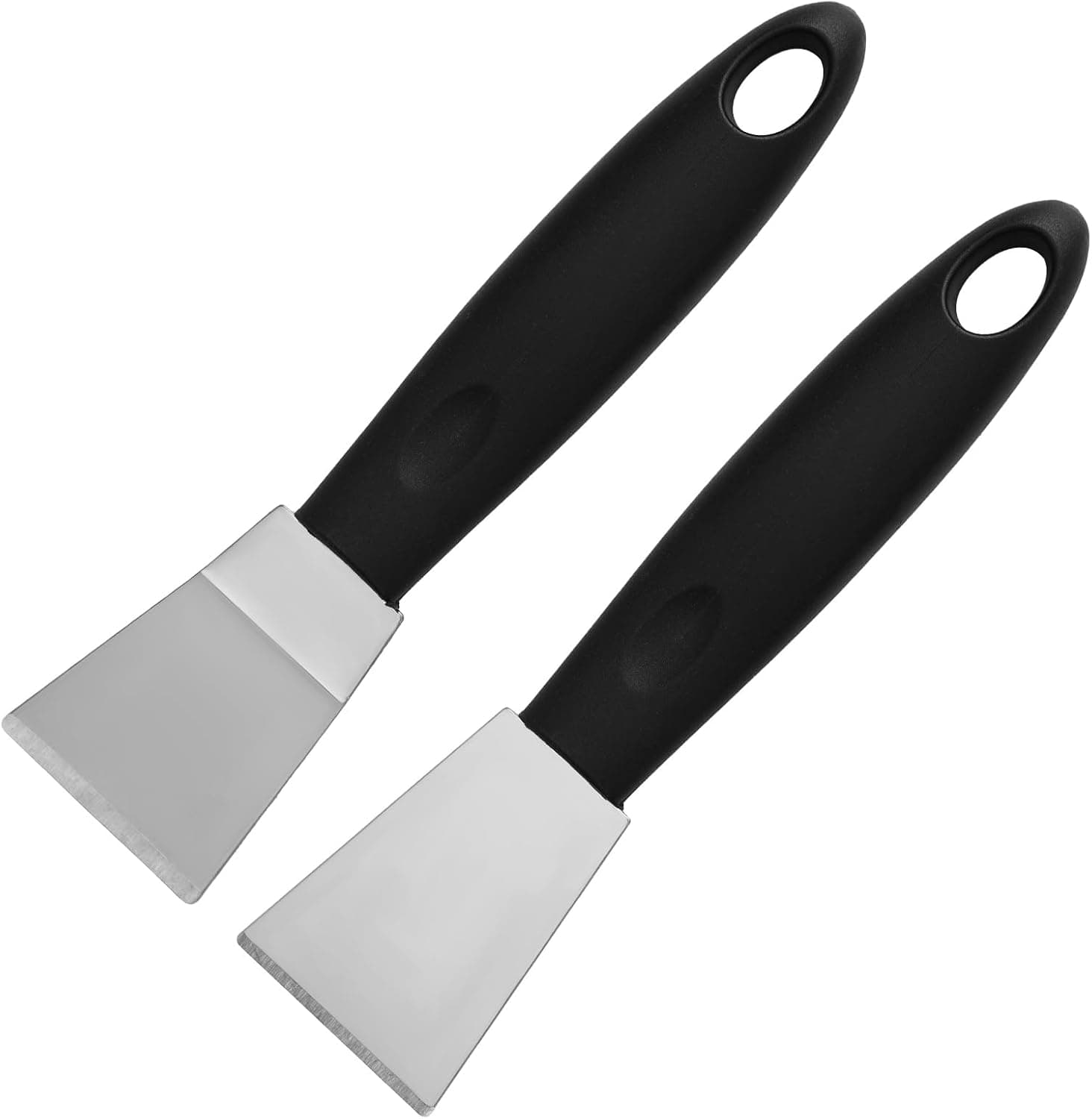
+ Curved head reaches under rounded or small prints more easily
From our guide: Best Print Bed Scrapers for Safe Part Removal (2026)
+ 2.0 formula is a newer generation of ELEGOO's washable resin
From our guide: Best Water-Washable Resin for Easy Cleanup (2026)
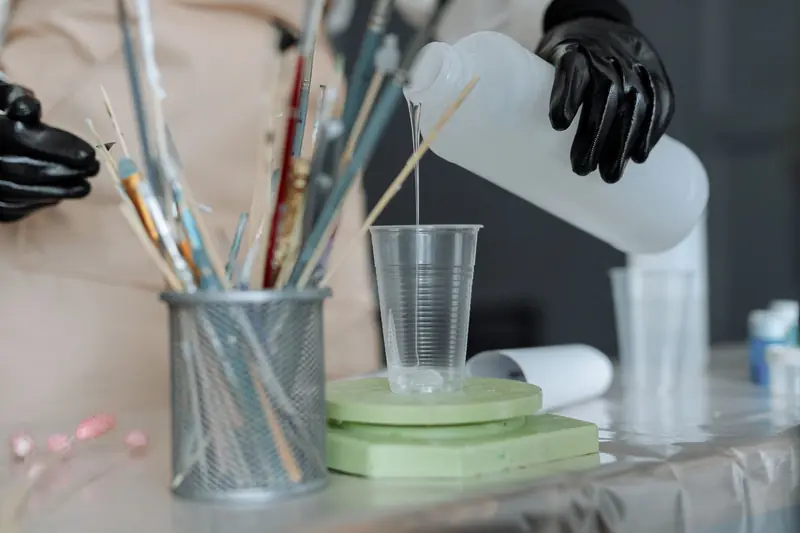
Ventilation and eye protection
Ventilation protects you from fumes. Even low-odor resins release volatile compounds, so print and work in a well-ventilated room or use a printer with a carbon filter and, ideally, exhaust to the outside. Eye protection is sensible, since a splash of resin or wash alcohol in the eye is a real hazard. Treat the whole process as light chemistry rather than casual crafting.
Washing off uncured resin
Washing removes the film of uncured resin that coats every fresh print. The usual method is a bath of isopropyl alcohol, either in a wash station that agitates the part or in sealed containers you swirl by hand. A two-stage wash, a dirty bath first and a clean bath second, keeps the final rinse effective longer. Aim to remove all sticky residue, paying attention to recesses and hollow cavities where resin pools.
Removing supports and drying before the cure
After washing, remove supports and let the part dry before the final cure, since trapped alcohol can leave surfaces tacky. Some makers remove supports after curing instead, when the part is harder, though that risks marks. Either order works, but do it consistently and inspect for missed uncured resin, which will never fully harden and stays sticky.
Post-curing without over-curing
Post-curing finishes the chemical reaction and brings the part to full strength. UV light, either from a dedicated curing station or sunlight, hardens the resin the rest of the way. Cure in short controlled sessions, because over-curing makes parts brittle and can yellow clear resins. Rotate the part so all sides get even light, and cure thin or detailed models for less time than bulky ones.
Disposing of resin waste responsibly
Dispose of waste responsibly. Uncured resin and contaminated alcohol are hazardous and must not go down the drain or into general trash. Cure any liquid waste, resin-soaked paper towels, and failed prints fully under UV until solid, after which the cured plastic is inert and can be discarded according to local rules. Cure used alcohol with leftover resin particles in sunlight, then let solids settle out. Careful handling and disposal keep the hobby safe for you and for the environment.
Set up a dedicated workspace
Set up a dedicated, easy-to-clean workspace before you start printing rather than improvising over a kitchen counter. A washable mat, a box to contain drips, labeled containers for clean and dirty alcohol, and a clear path from printer to wash to cure station make the routine safe and repeatable. Good habits around handling and disposal are what let people enjoy resin printing for years without developing sensitivities.
Frequently asked questions
What safety gear do I need for resin printing? Nitrile gloves for all resin handling, a well-ventilated area or carbon filter with outside exhaust, and eye protection against resin or alcohol splashes.
How do I wash a resin print? In isopropyl alcohol, either a wash station or sealed containers you swirl by hand. A two-stage wash, dirty bath then clean bath, keeps the final rinse effective; reach into recesses and hollow cavities where resin pools.
How long should I post-cure resin prints? Short, controlled UV sessions with the part rotated for even light. Over-curing makes parts brittle and yellows clear resins, and detailed models need less time than bulky ones.
How do I dispose of leftover resin and dirty alcohol? Cure them fully solid under UV or sunlight first, never down the drain or in general trash. Once cured, the plastic is inert and can be discarded per local rules.
Popular right now
- 3D Printing Supports GuideArticle
- Best Resin 3D Printers for Sharp, Detailed Models (2026)Buying guide
- Best PTFE Tubing for Smooth Filament Feeding (2026)Buying guide
- Best Beginner 3D Printers for a Smooth First Print (2026)Buying guide
- 3D Printer Filament Temperature ChartArticle
- Best Budget 3D Printers for Value Under Pressure (2026)Buying guide
Based on the last 28 days of search and visitor data.