PLA vs PETG vs ABS
Published How we research
PLA, PETG, and ABS cover most everyday FDM printing, and each trades ease of printing against durability. PLA is made from plant-based polymers, prints cool, and almost never warps, which is why it is the default recommendation for beginners. It is rigid and holds fine detail well, but it softens around 55 to 60 C, so a PLA part left in a hot car or on a sunny windowsill can sag.
Products from this article
The highest-scoring picks from the buying guides this article links to. Scores are our editorial assessment, not customer ratings.
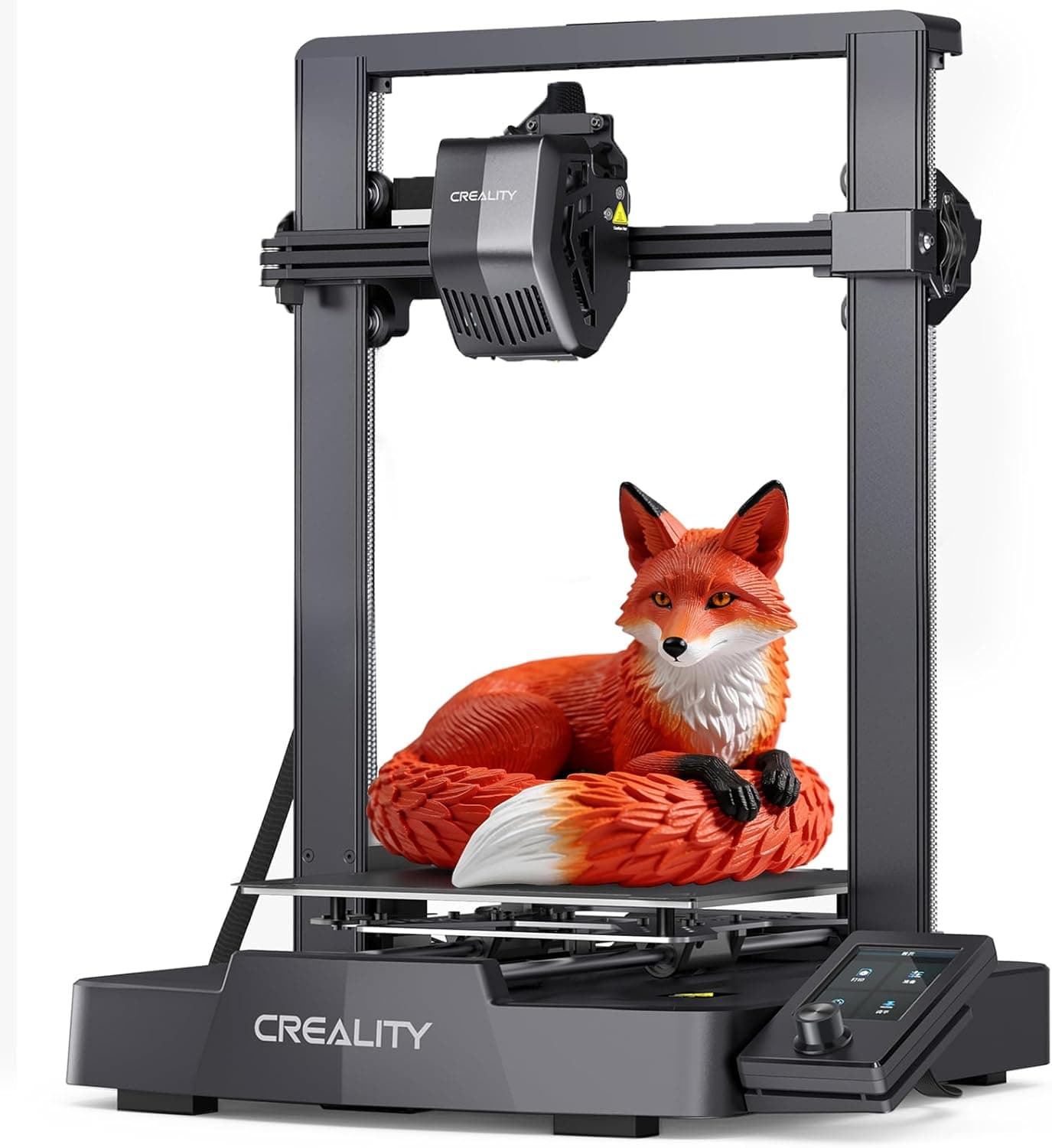
+ Full-auto calibration handles leveling, flow and vibration tuning
From our guide: Best FDM 3D Printers for Reliable Everyday Prints (2026)
+ High impact PolyMax formula resists cracking on drops and knocks
From our guide: Best PLA Plus Filament for Tougher Everyday Prints (2026)
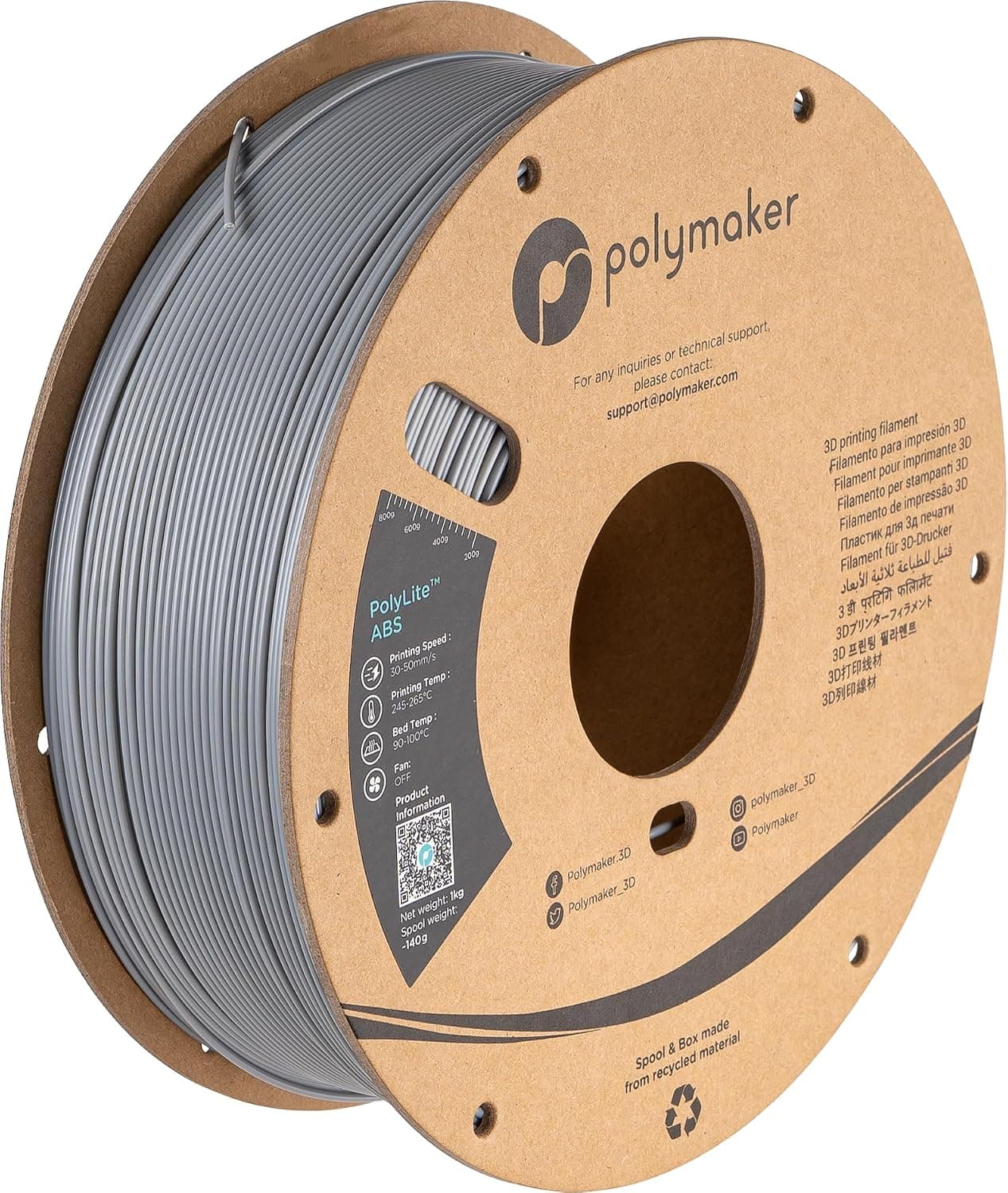
+ PolyLite ABS is known for easy printing within the ABS category
From our guide: Best ABS Filament for Tough, Heat-Resistant Parts (2026)
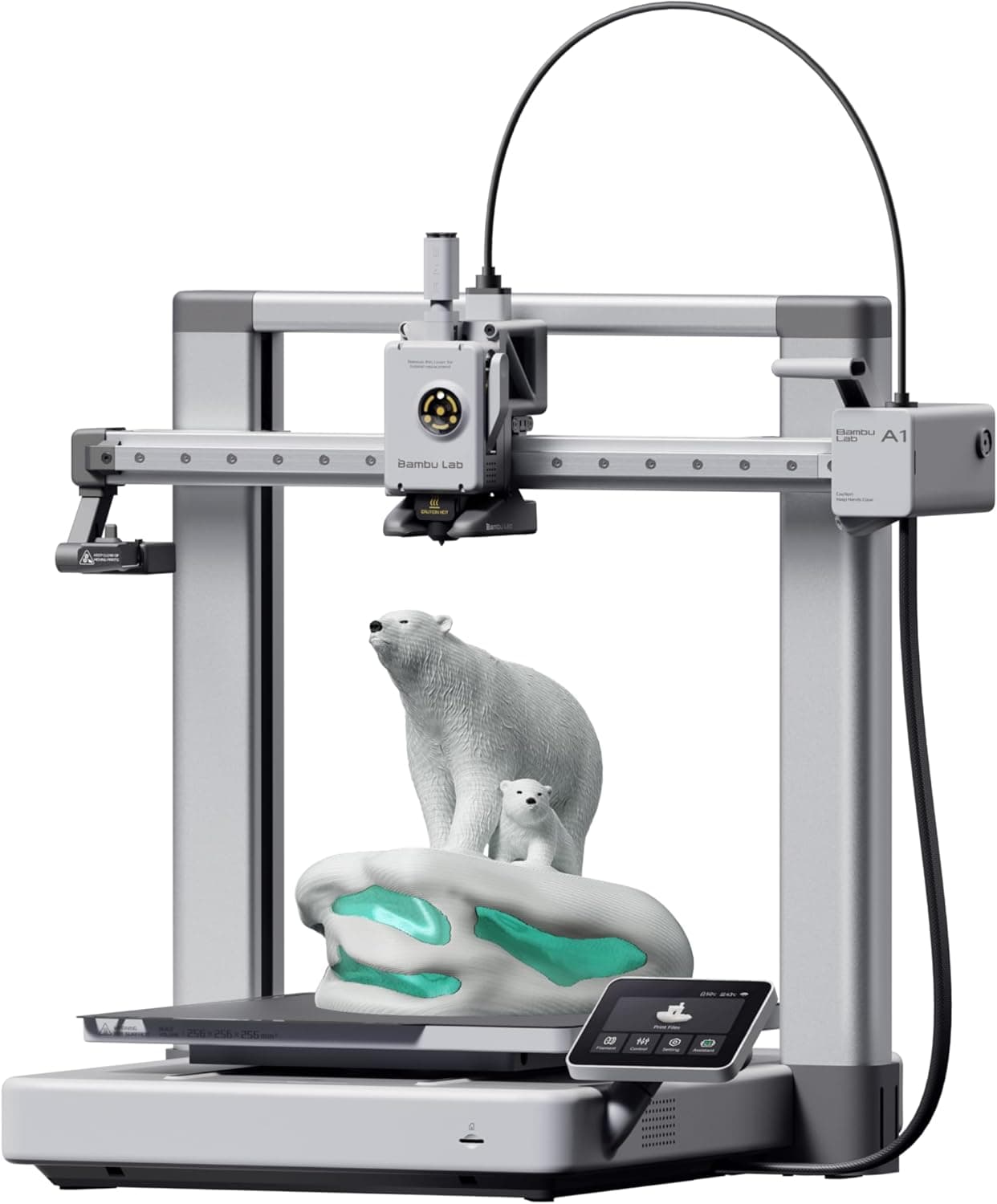
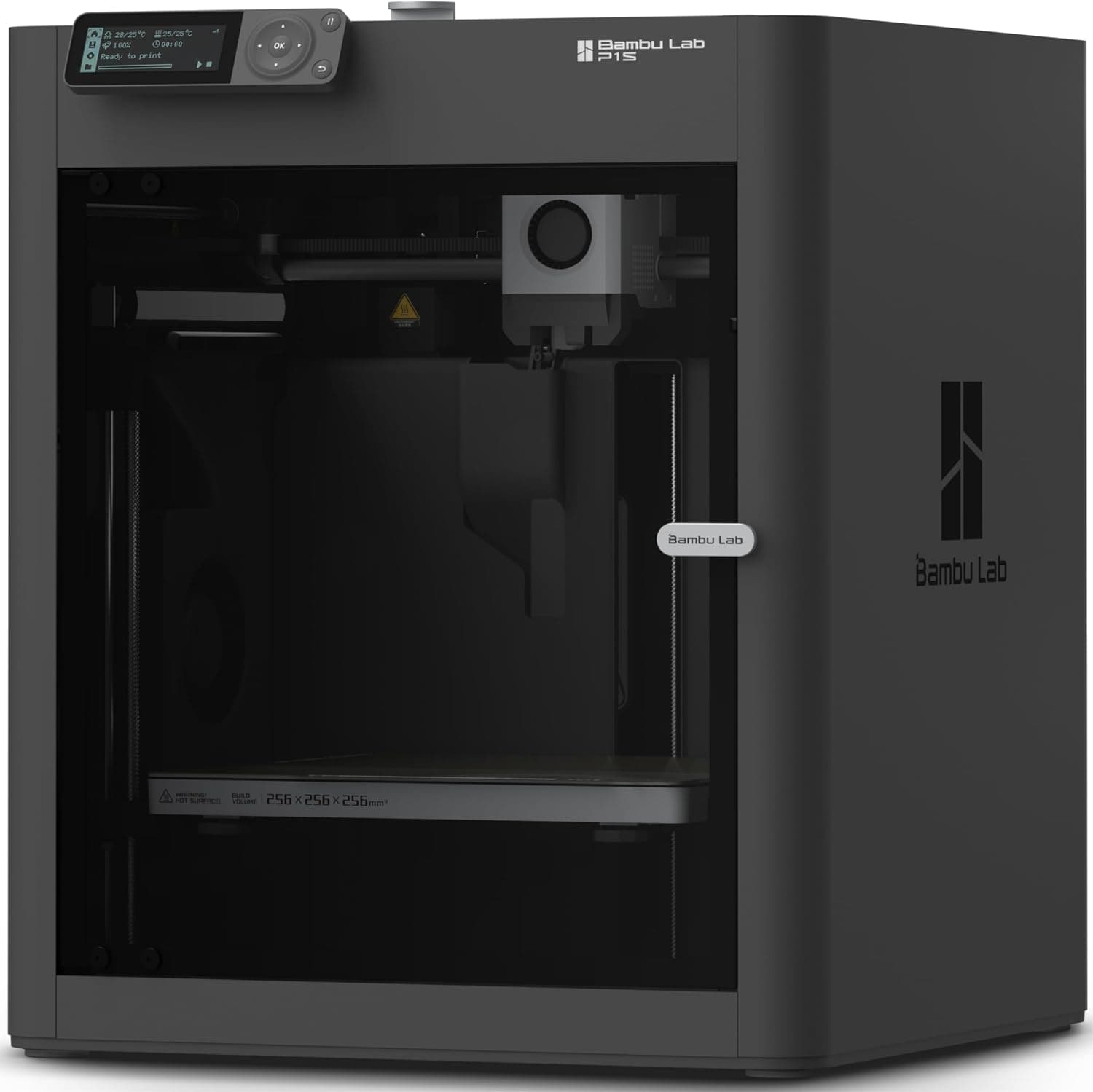
+ Enclosure holds heat, which helps ABS and ASA resist warping
From our guide: Best FDM 3D Printers for Reliable Everyday Prints (2026)

PETG sits in the middle. It resists heat better than PLA, tolerates moisture and mild chemicals, and is tougher and less brittle, which makes it good for functional parts, outdoor items, and anything that flexes. The tradeoff is that PETG is stickier when molten, so it strings more and can adhere too well to some build surfaces. Slightly higher temperatures, moderate retraction, and a gentle bed release usually tame it.
ABS is the traditional engineering choice, valued for higher heat resistance near 100 C, good impact strength, and the ability to be smoothed with acetone vapor. Its weakness is warping. As ABS cools it shrinks and pulls at the corners, so it really needs an enclosure to hold a stable ambient temperature and a heated bed around 100 C. ABS also releases fumes you should ventilate.
For strength, the honest answer is that layer adhesion and part design matter more than the headline material. A well-tuned PLA print can outperform a poorly tuned ABS one in a simple pull test. PETG tends to give the best balance of toughness and printability for parts that must survive drops or bending, while PLA can crack under sudden impact despite its high rigidity.
Printing difficulty scales roughly from PLA (easiest) to PETG (moderate) to ABS (hardest). PLA forgives a lot. PETG asks for dry filament and adhesion tuning. ABS asks for a controlled environment. If you are new, master PLA first, then move to PETG when you need durability, and only reach for ABS when heat resistance or acetone smoothing is a firm requirement.
Storage also differs. All three absorb moisture, but PETG and to a lesser extent ABS are more sensitive, and wet filament prints with bubbles, popping, and weak layers. Keep spools sealed with desiccant between uses. Matching material to job, rather than always defaulting to what is on the shelf, is the quickest way to raise your success rate.
A simple rule covers most decisions. Reach for PLA when the part is decorative, dimensionally fussy, or a quick prototype and heat is not a concern. Choose PETG when the part must survive drops, bending, moisture, or mild outdoor use. Save ABS for when you specifically need heat resistance near 100 C or plan to acetone-smooth the surface, and accept that it demands an enclosure and ventilation to print well.
At a glance: PLA vs PETG
| PLA | PETG | |
|---|---|---|
| Nozzle temperature | About 190-220°C | About 220-250°C |
| Bed temperature | About 50-60°C | About 70-80°C |
| Ease of printing | Very easy | Moderate |
| Strength | Stiff but brittle | Tougher, more flexible |
| Heat resistance | Softens in a hot car | Better heat tolerance |
| Stringing | Low | More prone |
Choose PLA if
- You are learning
- You print models, prototypes and decor
- Detail and ease matter most
Choose PETG if
- Parts will be used outdoors or in heat
- You need impact resistance
- You print brackets, clips and mechanical parts
Bottom line: Start with PLA for almost everything, and switch to PETG for functional parts that face heat, stress or outdoor use.
Popular right now
- 3D Printing Supports GuideArticle
- Best Resin 3D Printers for Sharp, Detailed Models (2026)Buying guide
- Best PTFE Tubing for Smooth Filament Feeding (2026)Buying guide
- Best Beginner 3D Printers for a Smooth First Print (2026)Buying guide
- 3D Printer Filament Temperature ChartArticle
- Best Budget 3D Printers for Value Under Pressure (2026)Buying guide
Based on the last 28 days of search and visitor data.