How to Prevent Warping in 3D Prints
Published How we research
Warping is when the corners or edges of a print curl up and lift off the bed, sometimes pulling the whole part loose. It is caused by uneven cooling. As plastic cools it contracts, and when the lower layers cool and shrink faster than the material above, internal stress pulls the flat base into a curl. Higher-temperature plastics like ABS shrink more and warp more.
Products from this article
The highest-scoring picks from the buying guides this article links to. Scores are our editorial assessment, not customer ratings.
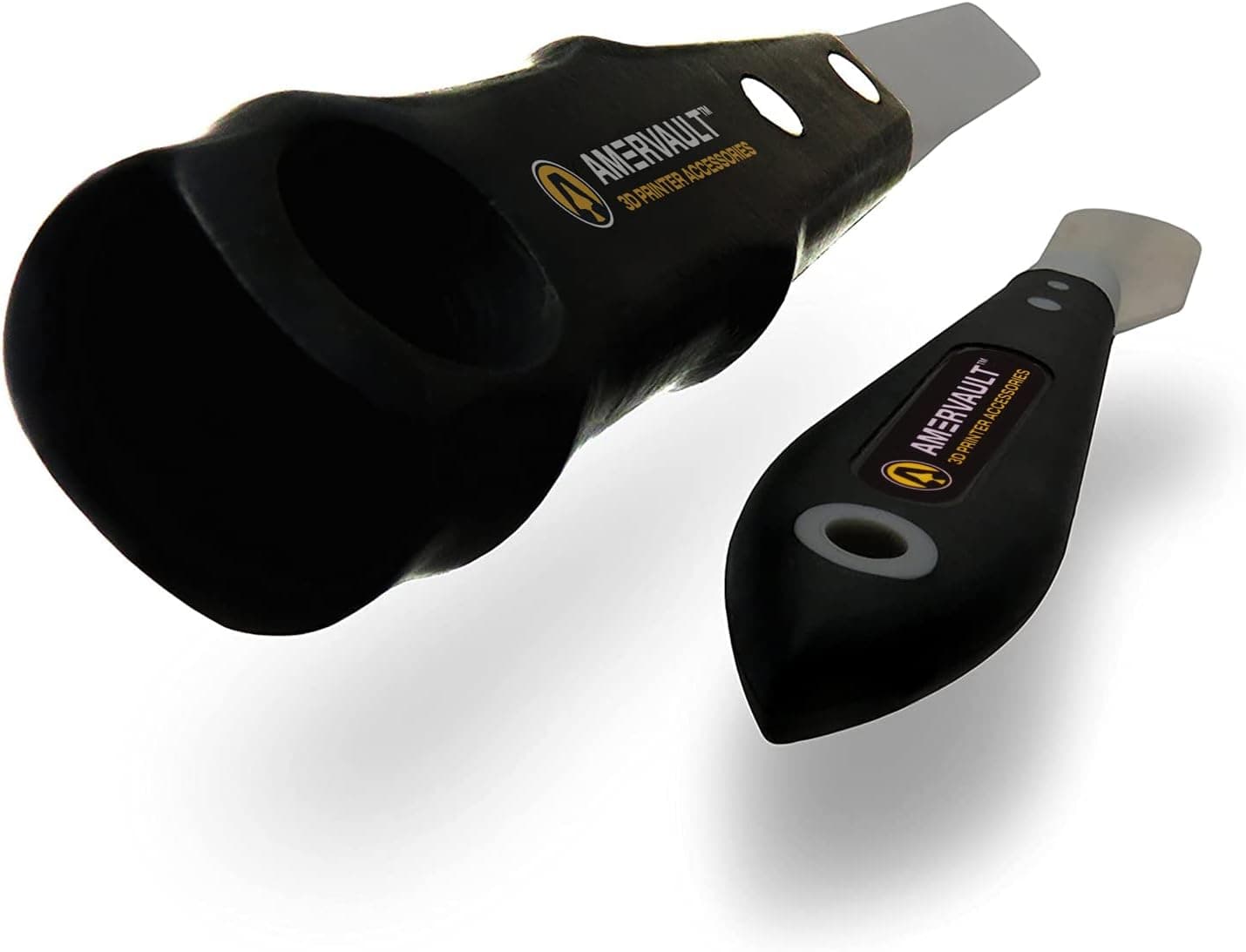
+ Knife slips under tight edges before the spatula lifts the part
From our guide: Best Print Removal Tools for Damage-Free Prints (2026)
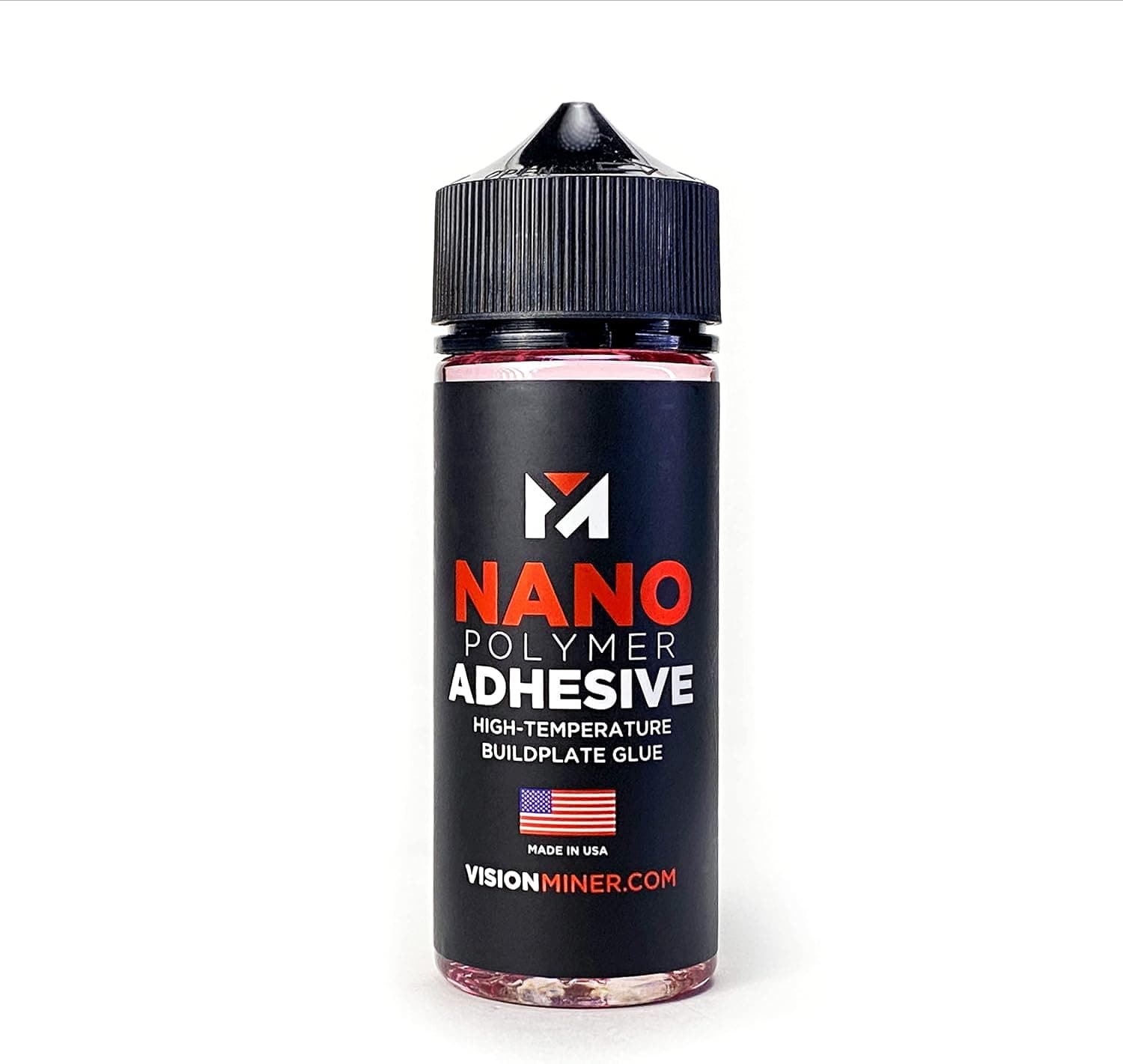
+ 120ml quantity lasts a long time with thin applications
From our guide: Best Bed Adhesive Glues for No-Warp Prints (2026)
+ Borosilicate glass stays very flat for smooth, glossy first layers
From our guide: Best Glass Beds for Ultra-Flat First Layers (2026)
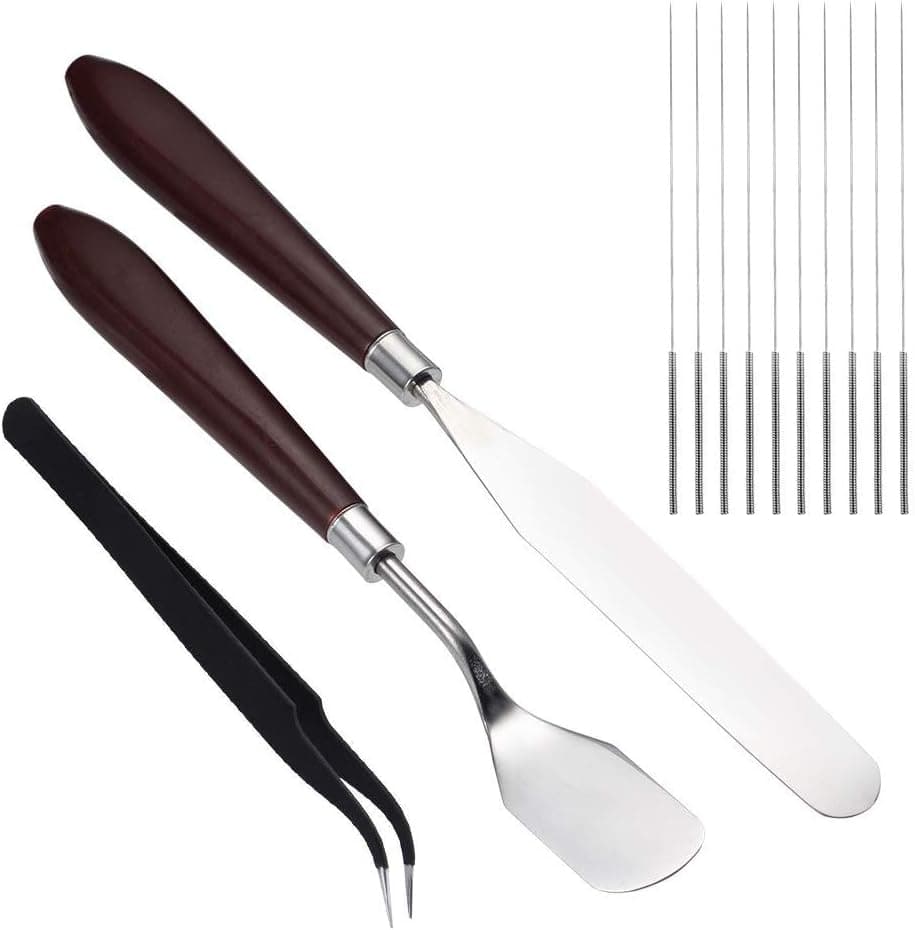
+ Combines print removal and nozzle cleaning in one purchase
From our guide: Best Print Removal Tools for Damage-Free Prints (2026)
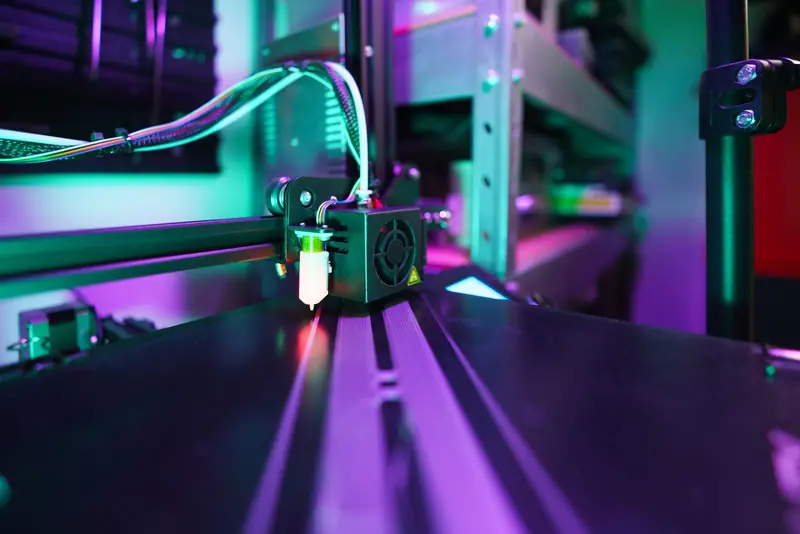
Bed adhesion and temperature are the first defenses. A hot bed keeps the bottom of the print soft and stuck down while upper layers are still being added. Set the bed to the material's proper range, around 60 C for PLA, 80 C for PETG, and 100 C or higher for ABS. Make sure the plate is clean and the first layer is well squished, because a strong initial grip resists the pull of contraction.
Controlling the ambient environment is the single biggest factor for warp-prone materials. Drafts and cold rooms cool the print unevenly and make warping far worse. An enclosure that holds a stable warm temperature around the part lets it cool slowly and evenly, which is why ABS and ASA are so much easier to print enclosed. Even a simple draft shield helps.
Cooling settings should be tuned to the material. For ABS, turn the part-cooling fan off or very low, since aggressive cooling accelerates the uneven contraction that causes warping and cracking. PLA tolerates and even wants cooling, but for large PLA parts prone to lifting, reducing fan speed on the lower portion of the print can help the base stay put.
Slicer adhesion aids give corners extra help to stay down. A brim surrounds the part with a wide flat skirt that greatly increases the contact area at the corners, and it is the most effective single setting against warping. A raft goes further by building a full base under the part, useful for the worst cases. Rounding sharp corners in the model with a small fillet also reduces stress concentration where warping starts.
Part design and orientation play a role too. Large flat bottoms warp most, so where possible break up big flat areas, reduce the footprint, or orient the part to minimize the flat base in contact with the bed. Combining a clean well-adhered first layer, correct bed and ambient temperatures, minimal cooling for high-temperature materials, and a brim resolves the large majority of warping problems.
Think of warping prevention as a stack of small margins rather than a single fix. A clean well-adhered first layer, the correct bed temperature, a brim, reduced cooling for high-temperature plastics, a stable warm environment, and rounded corners each contribute a little. Alone, any one may not be enough for a difficult part, but combined they add up to reliable, flat prints even in materials that are prone to lifting.
Popular right now
- 3D Printing Supports GuideArticle
- Best Resin 3D Printers for Sharp, Detailed Models (2026)Buying guide
- Best PTFE Tubing for Smooth Filament Feeding (2026)Buying guide
- Best Beginner 3D Printers for a Smooth First Print (2026)Buying guide
- 3D Printer Filament Temperature ChartArticle
- Best Budget 3D Printers for Value Under Pressure (2026)Buying guide
Based on the last 28 days of search and visitor data.