3D Printer Upgrades That Actually Matter for Print Quality
Published How we research
Printer upgrades range from genuinely transformative to purely cosmetic, and it helps to know which is which before spending money. The best upgrades remove a real limitation you are hitting, improve reliability, or expand the materials you can print. Chasing every popular mod wastes money and can introduce new problems, so prioritize based on the trouble you actually experience.
Products from this article
The highest-scoring picks from the buying guides this article links to. Scores are our editorial assessment, not customer ratings.
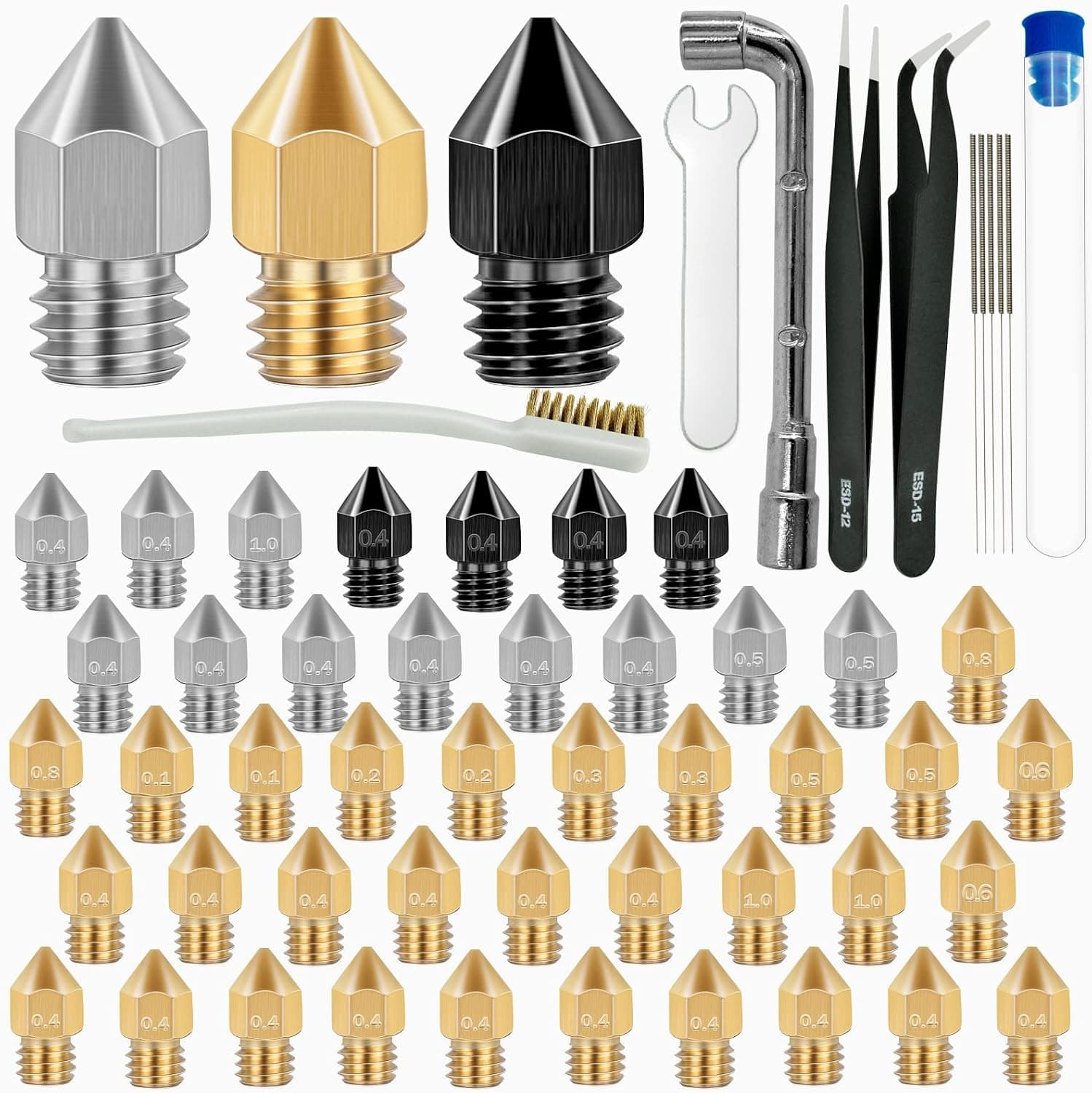
+ Hardened, stainless and brass in one set cover most filament types
From our guide: Best Nozzle Kits for Every Filament and Detail Level (2026)
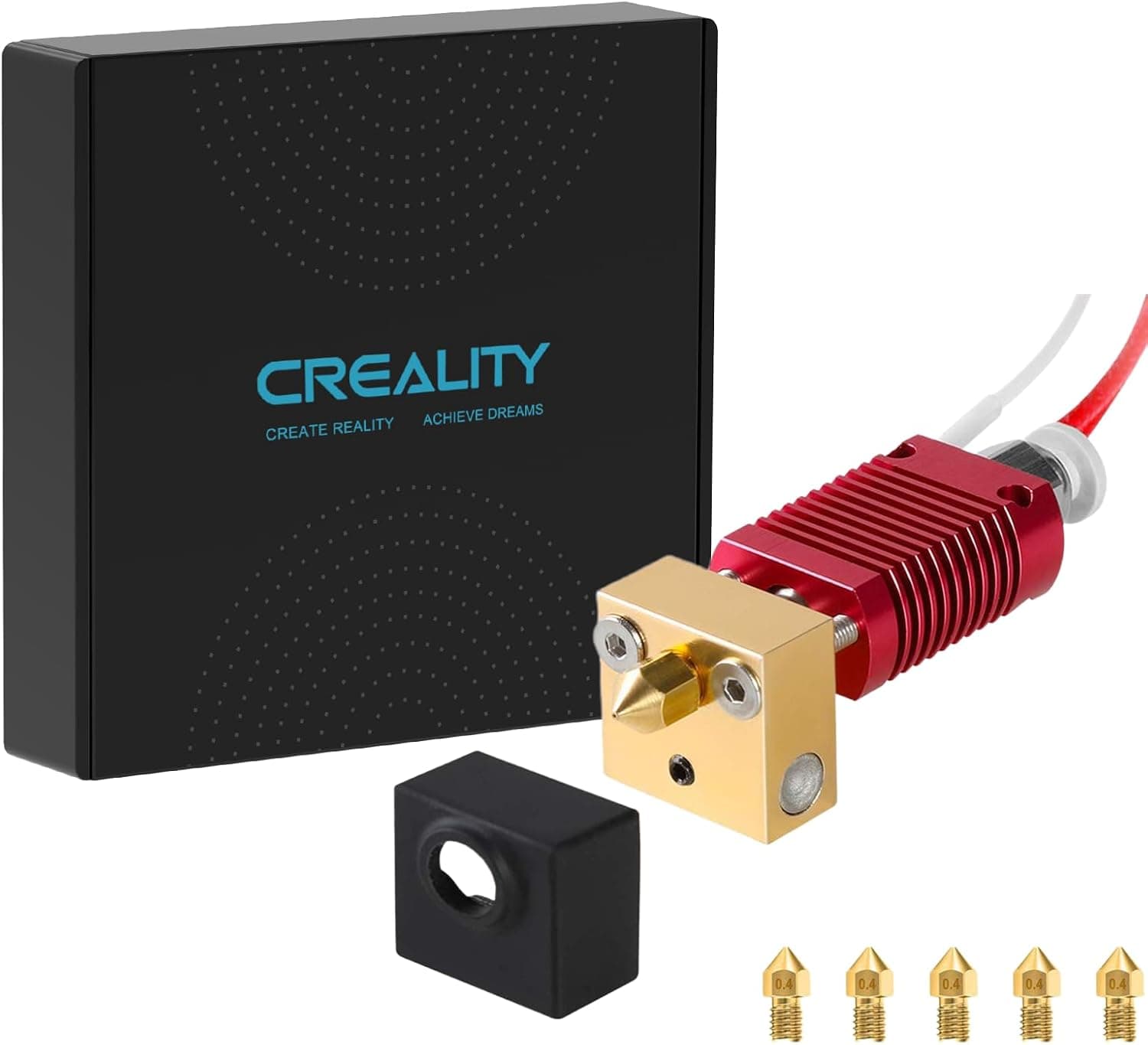
+ 5X spare nozzles included, so the kit covers future clogs too
From our guide: Best Hotends for Reliable, High-Flow 3D Printing (2026)
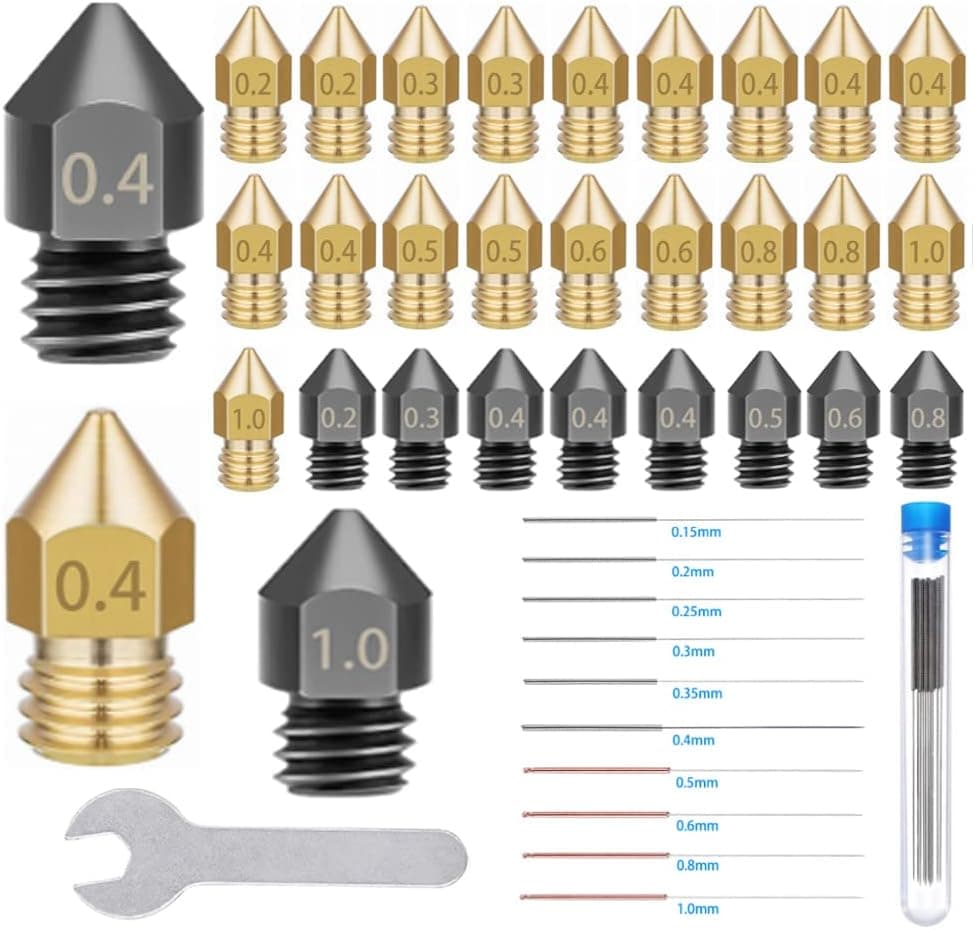
+ Mix of hardened steel and brass handles both PLA and abrasive fills
From our guide: Best Nozzle Kits for Every Filament and Detail Level (2026)
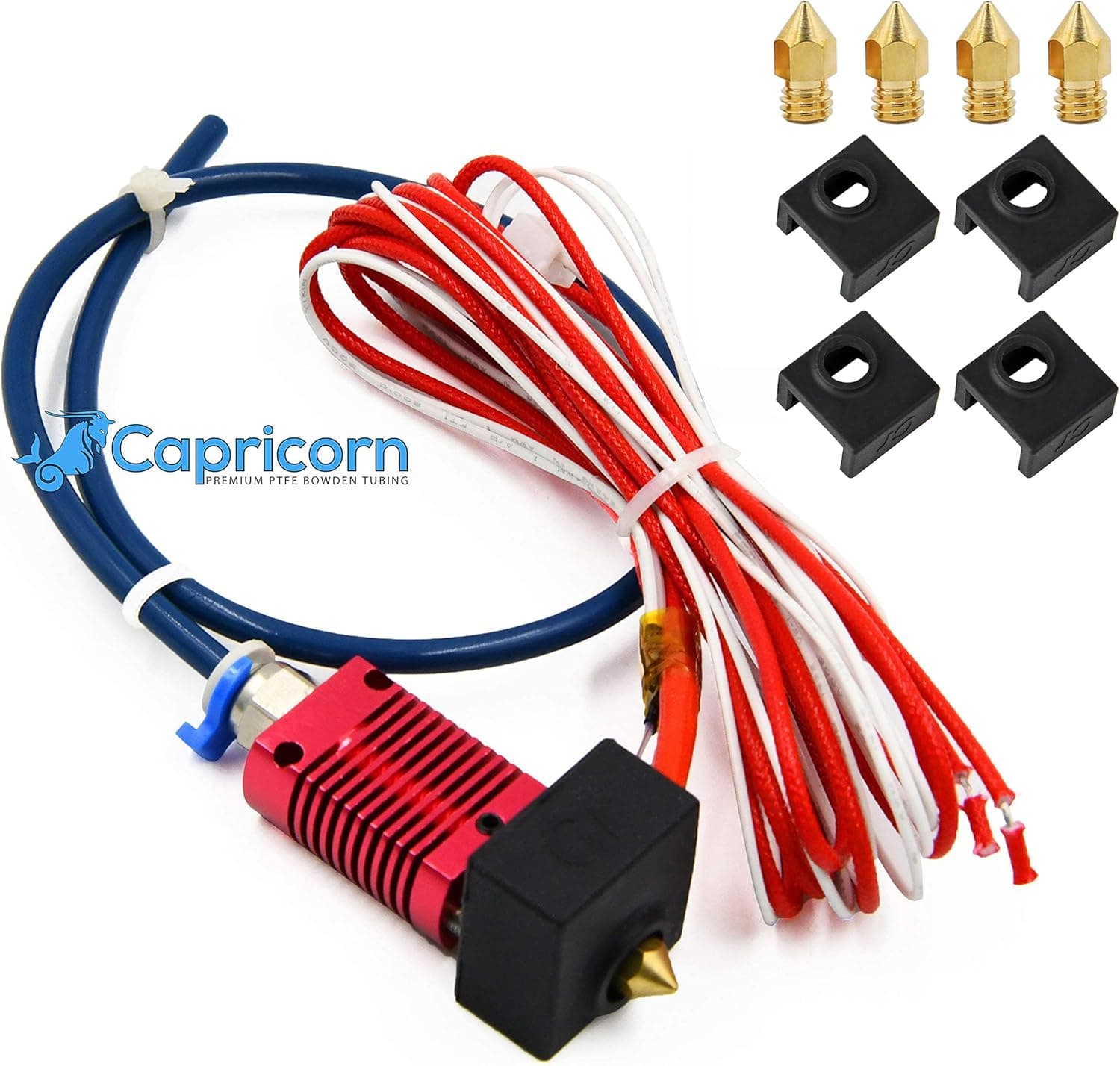
+ Pre-assembled kit is a quick fix for a damaged or clogged hotend
From our guide: Best Hotends for Reliable, High-Flow 3D Printing (2026)
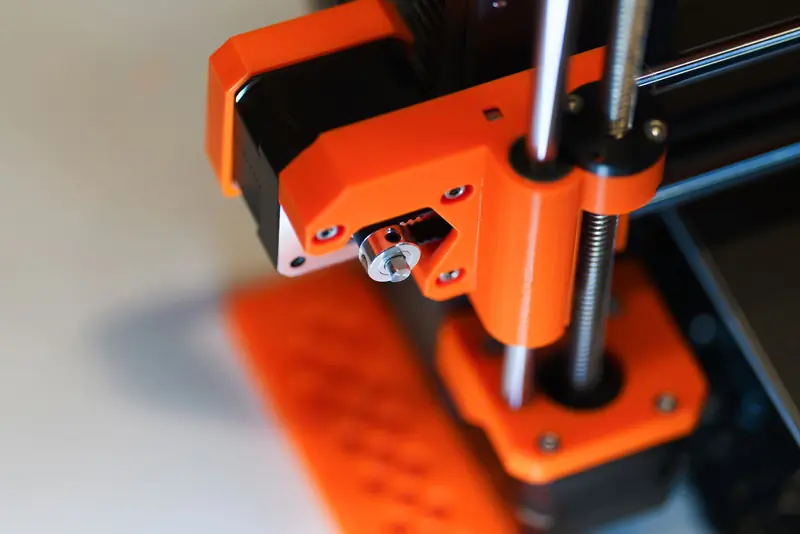
A better build surface is often the highest-value first upgrade. A flexible PEI-coated spring steel plate grips well when hot, releases prints when it flexes and cools, and removes a huge amount of adhesion frustration. If you fight with prints sticking too hard or not enough on glass or old surfaces, this single change improves nearly every print you make.
Cooling upgrades pay off if you print detailed PLA. A stronger part-cooling fan paired with a well-designed duct that aims air precisely at the nozzle tip sharpens overhangs, bridges, and small features. Stock ducts are frequently weak or poorly aimed, so this inexpensive mod visibly improves quality where the geometry is demanding.
An all-metal or higher-flow hotend expands what you can do. It allows higher temperatures for engineering materials and, with better melt performance, supports faster printing without under-extrusion. Combined with a hardened steel nozzle, it also lets you print abrasive filaments reliably. If you are pushing temperature or speed limits, the hotend is the component to improve.
Motion and firmware upgrades address speed and artifacts. Firmware with input shaping and pressure advance reduces ringing and corner blobs, letting you print faster and cleaner, often on hardware you already own. A direct-drive extruder helps with flexible filaments and reduces stringing. Automatic bed leveling saves time and improves first-layer consistency, especially on machines with fiddly manual leveling.
Some upgrades matter less than their popularity suggests. Flashy fans, decorative parts, and marginal component swaps rarely change print quality. Spend on your actual bottleneck instead. If prints fail to stick, fix the surface. If detail is soft, improve cooling. If you cannot print the materials you want, upgrade the hotend. Diagnose first, then buy the part that solves that specific problem rather than collecting mods for their own sake.
Before buying anything, spend some time tuning what you already own, because many problems people try to fix with hardware are really calibration issues. Correct flow, temperature, retraction, and bed leveling cost nothing and often deliver a bigger quality jump than a new part. Once the machine is properly dialed in, the upgrades that remain are the ones addressing genuine hardware limits, and those are the ones worth your money.
Popular right now
- 3D Printing Supports GuideArticle
- Best Resin 3D Printers for Sharp, Detailed Models (2026)Buying guide
- Best PTFE Tubing for Smooth Filament Feeding (2026)Buying guide
- Best Beginner 3D Printers for a Smooth First Print (2026)Buying guide
- 3D Printer Filament Temperature ChartArticle
- Best Budget 3D Printers for Value Under Pressure (2026)Buying guide
Based on the last 28 days of search and visitor data.