How to Store 3D Printer Filament and Keep It Dry
Published How we research
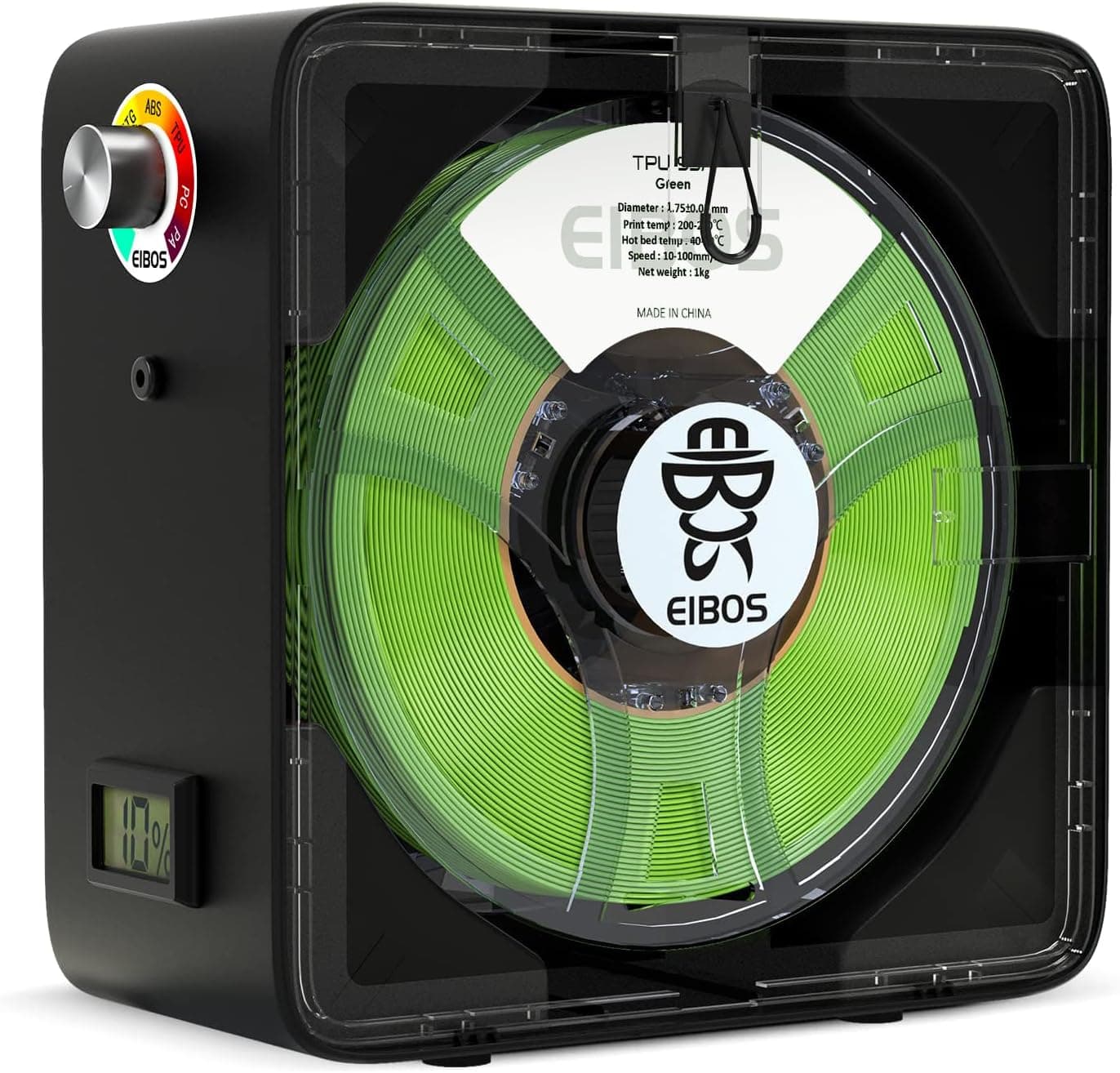
Filament storage is really moisture management, because the plastic slowly absorbs water from the air and wet filament prints poorly. Left on an open shelf, a spool degrades over weeks to months depending on the material and the humidity of your space. Good storage keeps filament printing like new for far longer and saves both frustration and money.
Products from this article
The highest-scoring picks from the buying guides this article links to. Scores are our editorial assessment, not customer ratings.
+ Holds 2 rolls, handy for dual-material or AMS printing
From our guide: Best Filament Dry Boxes for Moisture-Free Prints (2026)
+ 15 humidity cards show at a glance whether a spool stayed dry
From our guide: Best Filament Storage Containers
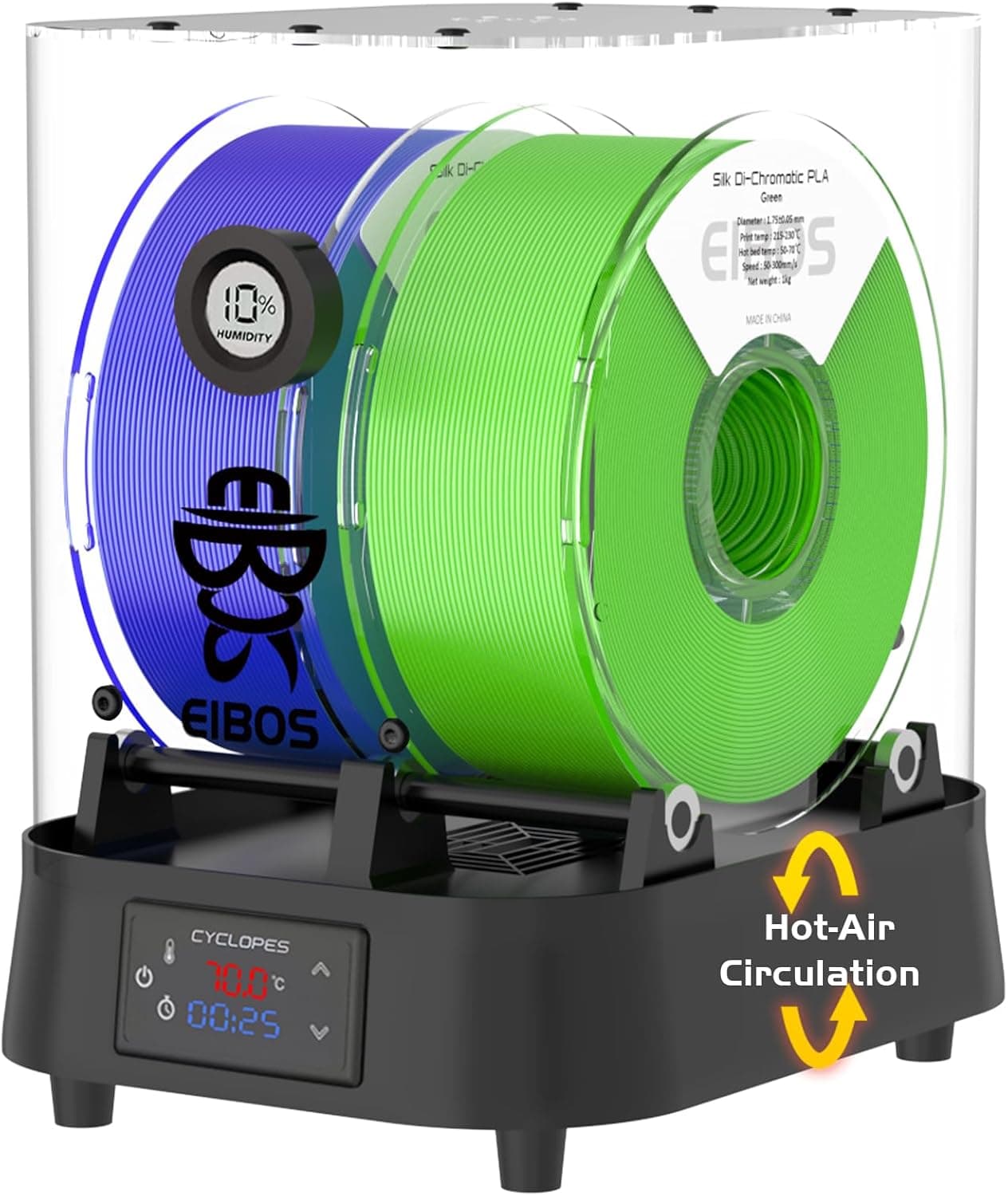
+ 70C max temperature handles common hygroscopic filaments
From our guide: Best Filament Dry Boxes for Moisture-Free Prints (2026)
+ Vacuum sealed bags pull air out to slow moisture absorption
From our guide: Best Filament Storage Containers
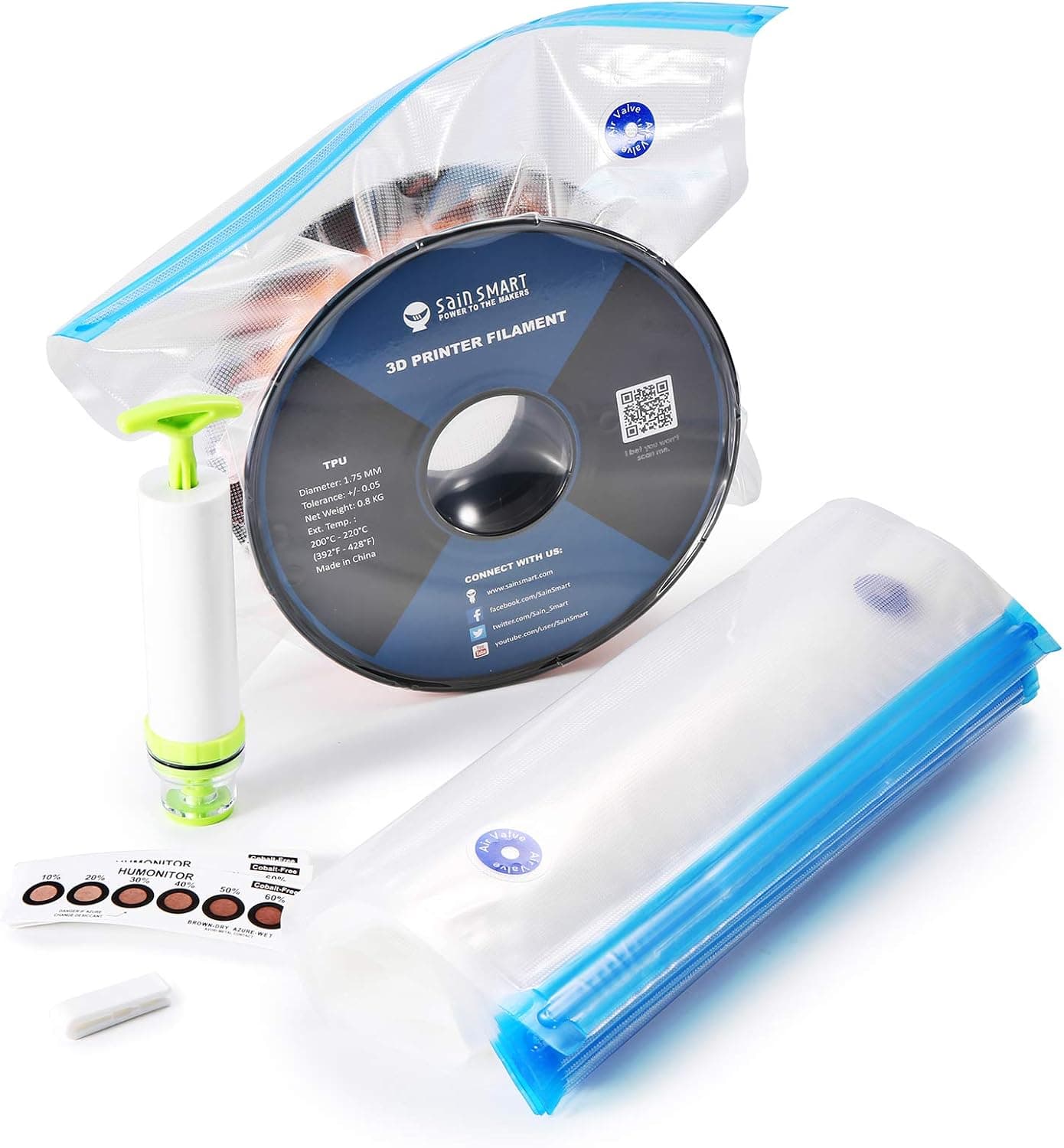
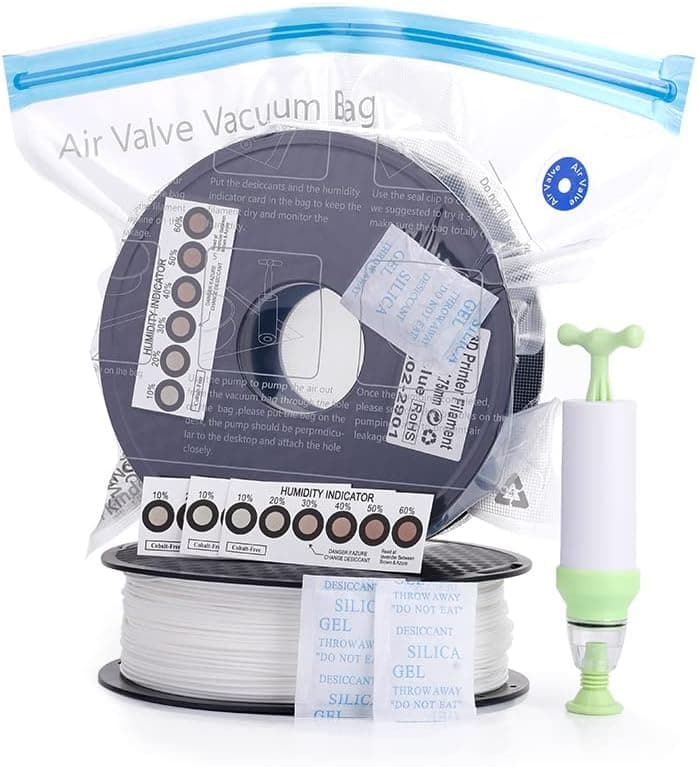
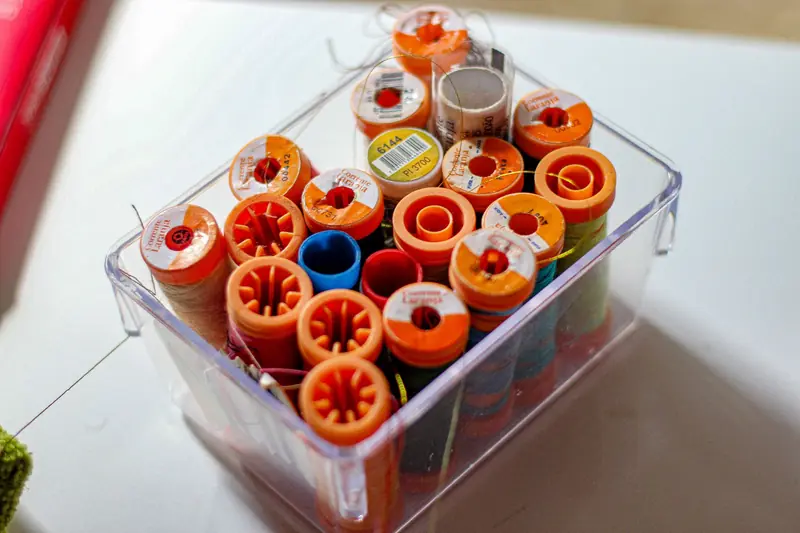
The core method is an airtight container with desiccant. Sealable plastic tubs or dedicated filament boxes, packed with silica gel packets, hold humidity low around the spools. A cheap hygrometer inside the container lets you confirm the humidity actually stays low, ideally under about 15 to 20 percent. Vacuum bags work well for long-term storage of spools you are not using, squeezing the moist air out entirely.
Desiccant does the real work, so keep it active. Silica gel absorbs moisture until saturated, after which it does nothing. Reusable indicating silica changes color when spent and can be recharged by heating it in an oven to drive the water back out, making it cheap to maintain. Rotate or recharge desiccant periodically rather than assuming old packets are still working.
Materials differ in urgency. PLA is relatively forgiving and can sit sealed with desiccant for a long time. PETG absorbs moisture faster and benefits from more careful storage. Nylon, PVA, and TPU are thirsty and can degrade within hours of open exposure, so these should ideally live in sealed containers at all times and only come out to print, or print directly from a dry box.
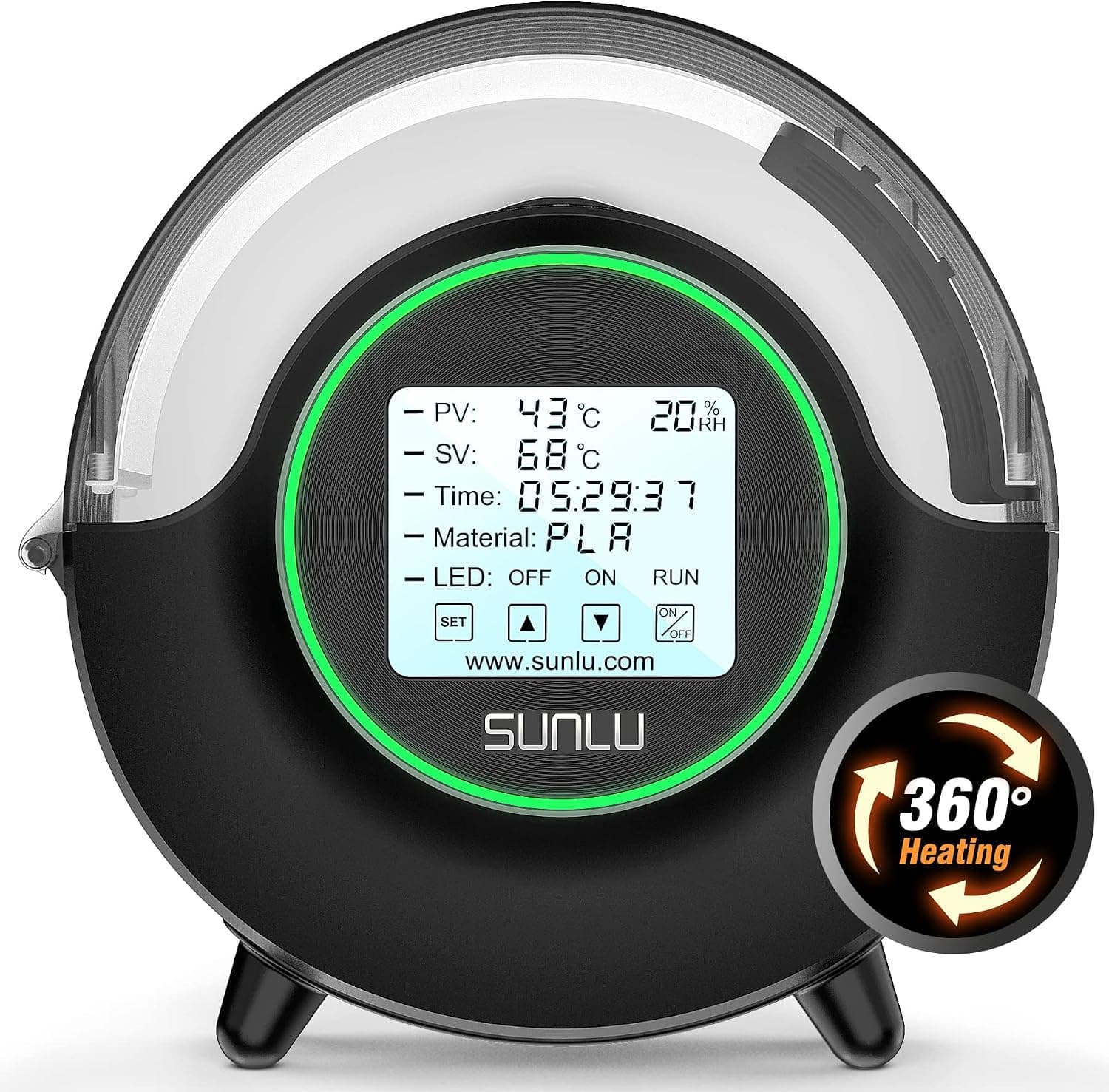
For sensitive materials or long prints, a printing dry box keeps filament dry while it feeds. This is a sealed container with desiccant and a port through which the filament passes to the printer, so the spool stays protected even during a print that runs many hours. Some enthusiasts run heated dry boxes that both store and gently dry the filament continuously.
Handle and label spools with care to preserve them. Avoid leaving a partly used spool in the printer for days between prints, since that is the fastest way to reabsorb moisture. Secure the loose filament end in the holes on the spool so it does not tangle or snap. Note the material and any drying done, and treat storage as an ongoing habit rather than an afterthought, and your filament will reliably print the way it did when new.
Match your storage effort to the material and your climate. In a dry region, sealed bins with desiccant may be more than enough for PLA, while in a humid area even careful storage benefits from a hygrometer and regular desiccant recharging. Thirsty materials like nylon justify a dedicated dry box, and treating storage as routine rather than reactive keeps every spool printing the way it did on day one.
Popular right now
- 3D Printing Supports GuideArticle
- Best Resin 3D Printers for Sharp, Detailed Models (2026)Buying guide
- Best PTFE Tubing for Smooth Filament Feeding (2026)Buying guide
- Best Beginner 3D Printers for a Smooth First Print (2026)Buying guide
- 3D Printer Filament Temperature ChartArticle
- Best Budget 3D Printers for Value Under Pressure (2026)Buying guide
Based on the last 28 days of search and visitor data.