Do You Need a 3D Printer Enclosure? Benefits and Setup
Published How we research
Whether you need an enclosure depends on what you print. For PLA an enclosure is usually unnecessary and can cause heat-creep clogs and softening. For warp-prone ABS, ASA, nylon, and polycarbonate it is close to essential, because a stable warm ambient temperature is the main defence against corners lifting and layers splitting. If you do enclose, vent ABS and ASA fumes outside or through a filter. An enclosure is a box around the printer that traps heat and blocks drafts, and whether you need one depends entirely on what you print. For PLA, an enclosure is usually unnecessary and can even cause problems by letting heat build up. For warp-prone materials like ABS and ASA, an enclosure is close to essential, because a stable warm ambient temperature is the main defense against corners lifting and layers splitting.
Products from this article
The highest-scoring picks from the buying guides this article links to. Scores are our editorial assessment, not customer ratings.
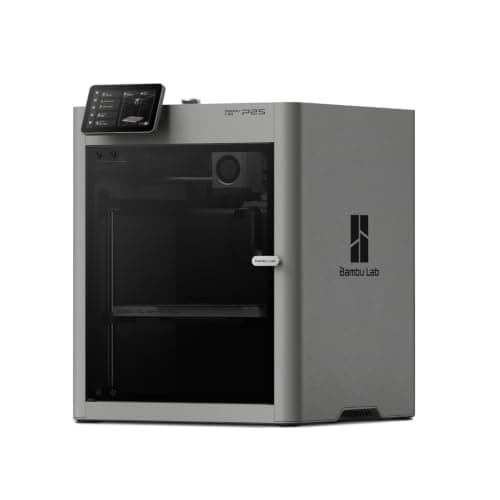
+ Second generation active chamber heating rated at 65 C, with air circulation and dual-layer insulation per the listing.
From our guide: Best Enclosed 3D Printers for ABS and Clean Prints (2026)
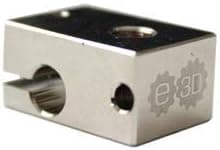
+ Genuine copper block from E3D offers better thermal stability than aluminum
From our guide: Best Heat Blocks for Stable Hotend Temperatures (2026)
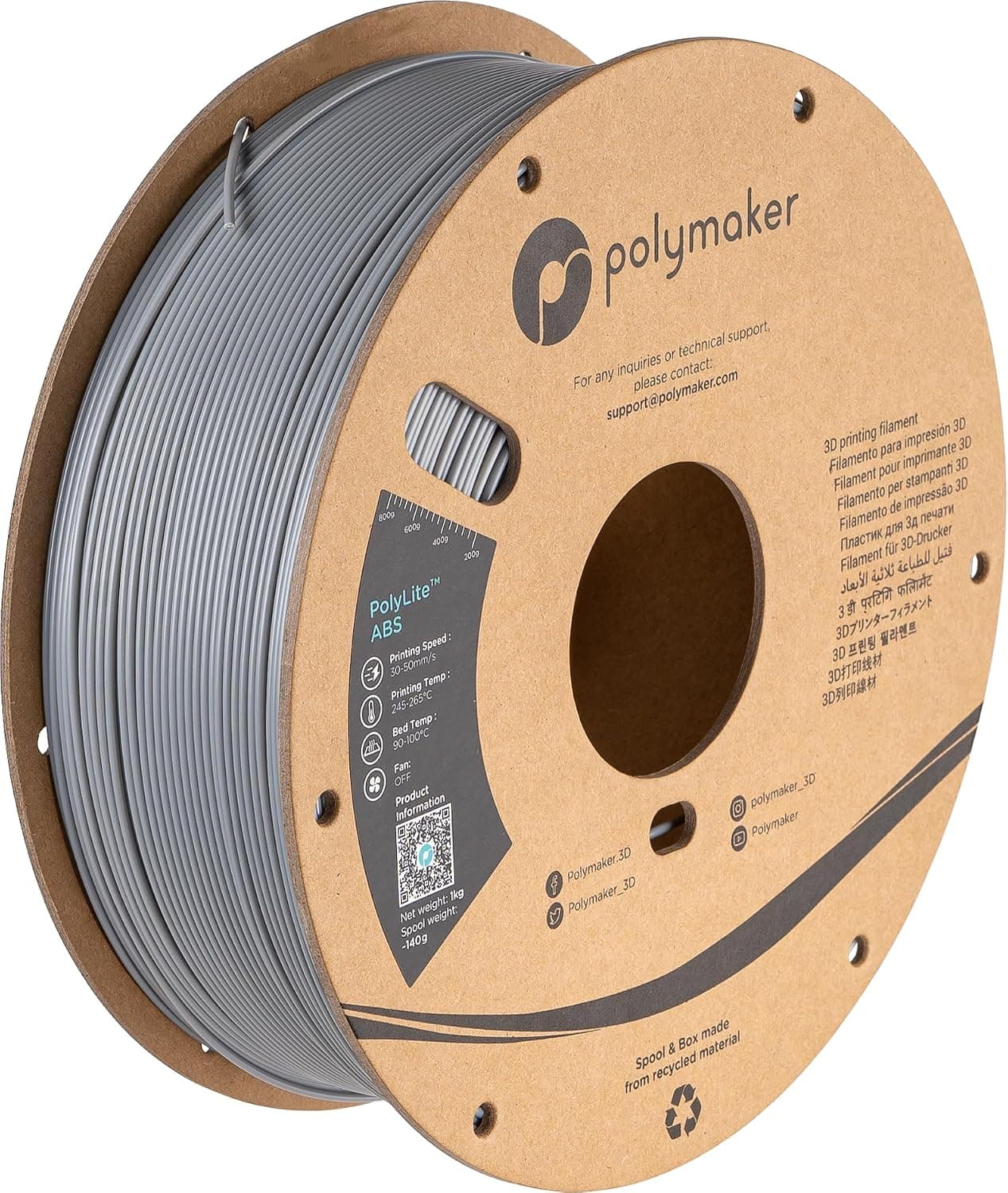
+ PolyLite ABS is known for easy printing within the ABS category
From our guide: Best ABS Filament for Tough, Heat-Resistant Parts (2026)
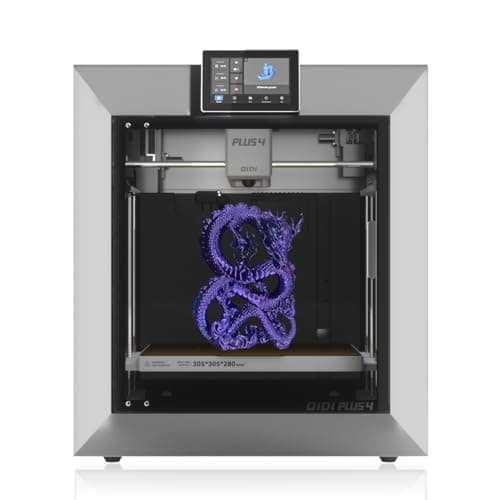
+ Adaptive Airflow System switches between cooling and heat retention, holding a 50 C chamber for engineering filaments
From our guide: Best Enclosed 3D Printers for ABS and Clean Prints (2026)
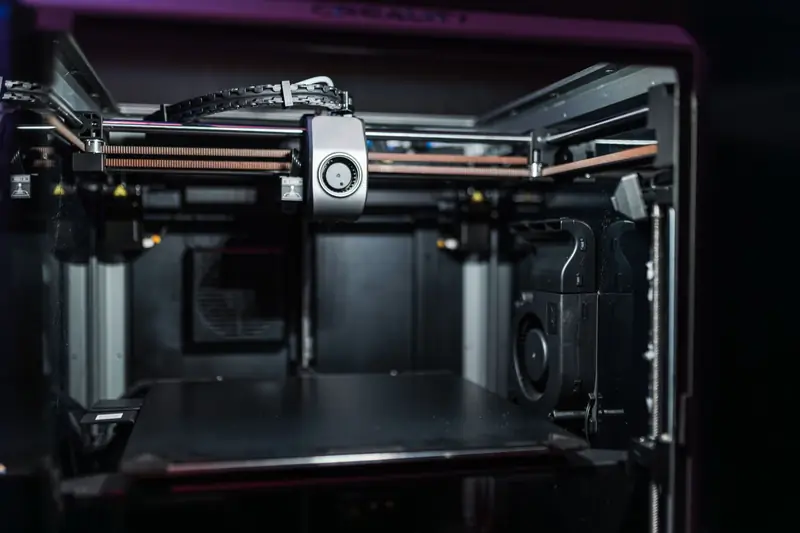
The core benefit: temperature stability
The core benefit is temperature stability. As a print cools it shrinks, and uneven cooling makes it shrink unevenly, which causes warping and cracking between layers. An enclosure holds the air around the part warm and steady, so the whole print cools slowly and uniformly. This dramatically improves layer adhesion and dimensional accuracy for high-temperature engineering plastics.
Draft protection at any temperature
Draft protection matters even at lower temperatures. A cold breeze from an open window or an air conditioning vent can chill one side of a print and cause localized warping or poor layer bonding, even in materials that normally behave. An enclosure removes that variable, which is one reason enclosed printers tend to produce more consistent results across seasons and room conditions.
The important exception: PLA
There is an important exception. PLA prints best when part-cooling fans blast it cool quickly, and it does not like a hot environment. In a warm enclosure, PLA can soften and heat can creep up the hotend and cause clogs. If you print mainly PLA, leave the printer open or keep the enclosure ventilated, and reserve the closed box for ABS, ASA, nylon, and polycarbonate.
Ventilation and fumes
Ventilation and fumes are a safety consideration. ABS and ASA release styrene and fine particles that you should not breathe, so an enclosure ideally vents to the outside or through a filter rather than simply trapping fumes in the room. Even for materials considered low-odor, running the printer in a ventilated space is prudent. An enclosure concentrates fumes, which makes exhausting them easier but also more necessary.
You do not need an expensive enclosure
You do not need to buy an expensive enclosure to start. A simple frame with panels, a repurposed cabinet, or even a commercial tent enclosure all work, provided electronics that need cooling, such as the mainboard and power supply, stay outside the hot zone or are actively cooled. Add a thermometer inside so you know the real ambient temperature, and keep flammable materials away from the heated bed and hotend.
Let your material choices decide
If you are unsure whether an enclosure is worth it, let your material choices decide. Print mostly PLA and you can happily skip it or keep the printer in an open, well-ventilated spot. Move into ABS, ASA, nylon, or polycarbonate and an enclosure quickly shifts from optional to necessary. Building one is a reasonable weekend project, so many people add it only once their printing outgrows PLA.
Frequently asked questions
Do I need an enclosure for 3D printing? Only if you print warp-prone materials like ABS, ASA, nylon, or polycarbonate, where a stable warm ambient temperature prevents warping and layer splitting. For PLA it is unnecessary.
Can I use an enclosure with PLA? Not a closed one. PLA needs part-cooling fans and dislikes a hot environment, where it softens and heat creep can clog the hotend. Leave the printer open or keep the enclosure ventilated.
Does an enclosure help with fumes? It concentrates them, which makes exhausting to the outside or through a filter easier but also more necessary, especially for ABS and ASA, which release styrene and fine particles.
What can I use as a cheap 3D printer enclosure? A simple panel frame, a repurposed cabinet, or a commercial tent enclosure, as long as heat-sensitive electronics like the mainboard and power supply stay outside the hot zone.
Popular right now
- 3D Printing Supports GuideArticle
- Best Resin 3D Printers for Sharp, Detailed Models (2026)Buying guide
- Best PTFE Tubing for Smooth Filament Feeding (2026)Buying guide
- Best Beginner 3D Printers for a Smooth First Print (2026)Buying guide
- 3D Printer Filament Temperature ChartArticle
- Best Budget 3D Printers for Value Under Pressure (2026)Buying guide
Based on the last 28 days of search and visitor data.