How to Choose Your First 3D Printer
Published How we research
Choosing a first 3D printer comes down to matching a machine to the parts you want to make. Most newcomers start with FDM (fused deposition modeling), which melts plastic filament and lays it down layer by layer. FDM is cheaper to run, safer to handle, and well suited to functional parts, brackets, toys, and prototypes. Resin printers (MSLA) cure liquid resin with UV light and produce far finer detail, which makes them the better pick for miniatures and jewelry, but they involve messy chemicals and extra cleanup.
Products from this article
The highest-scoring picks from the buying guides this article links to. Scores are our editorial assessment, not customer ratings.
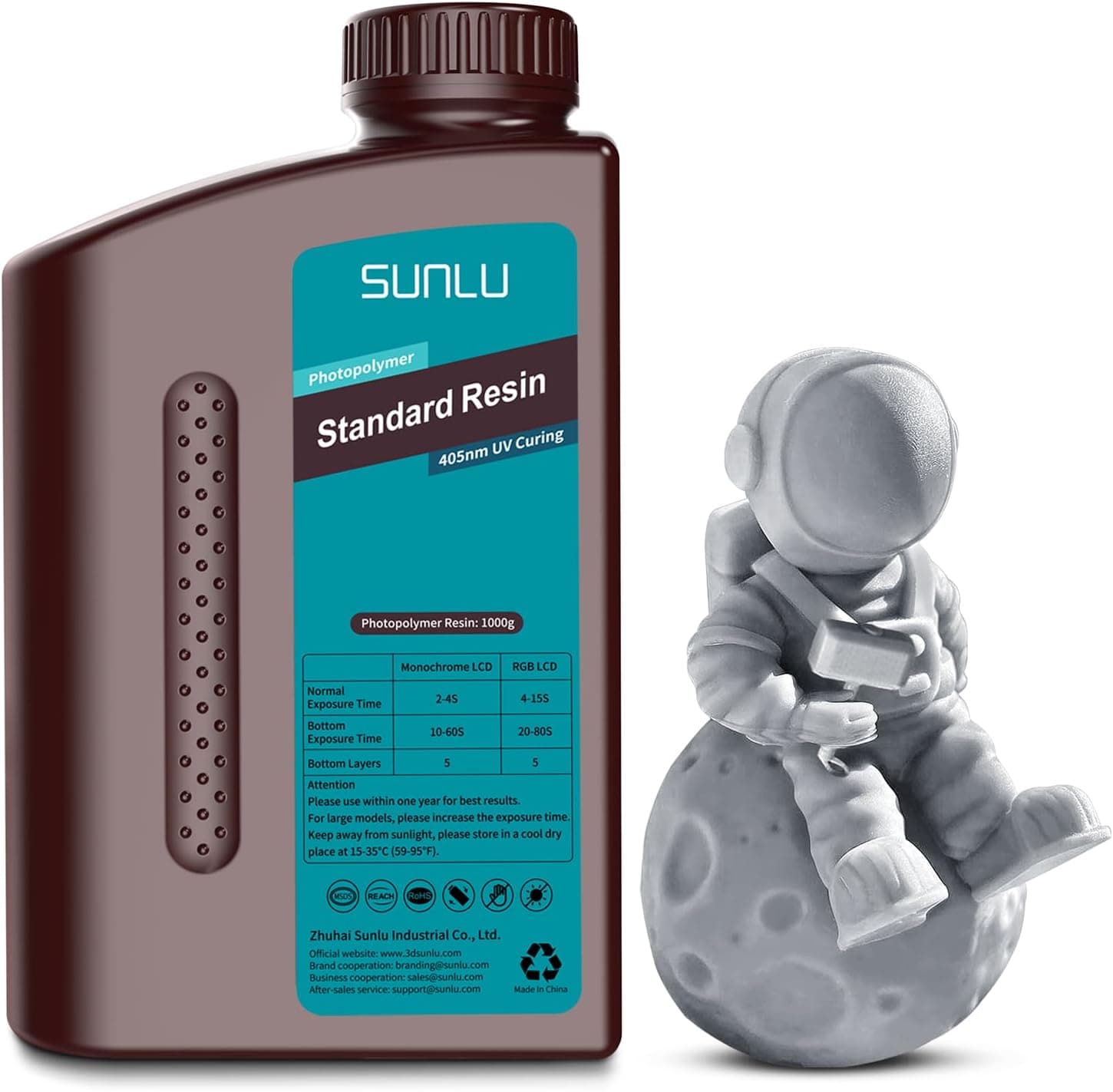
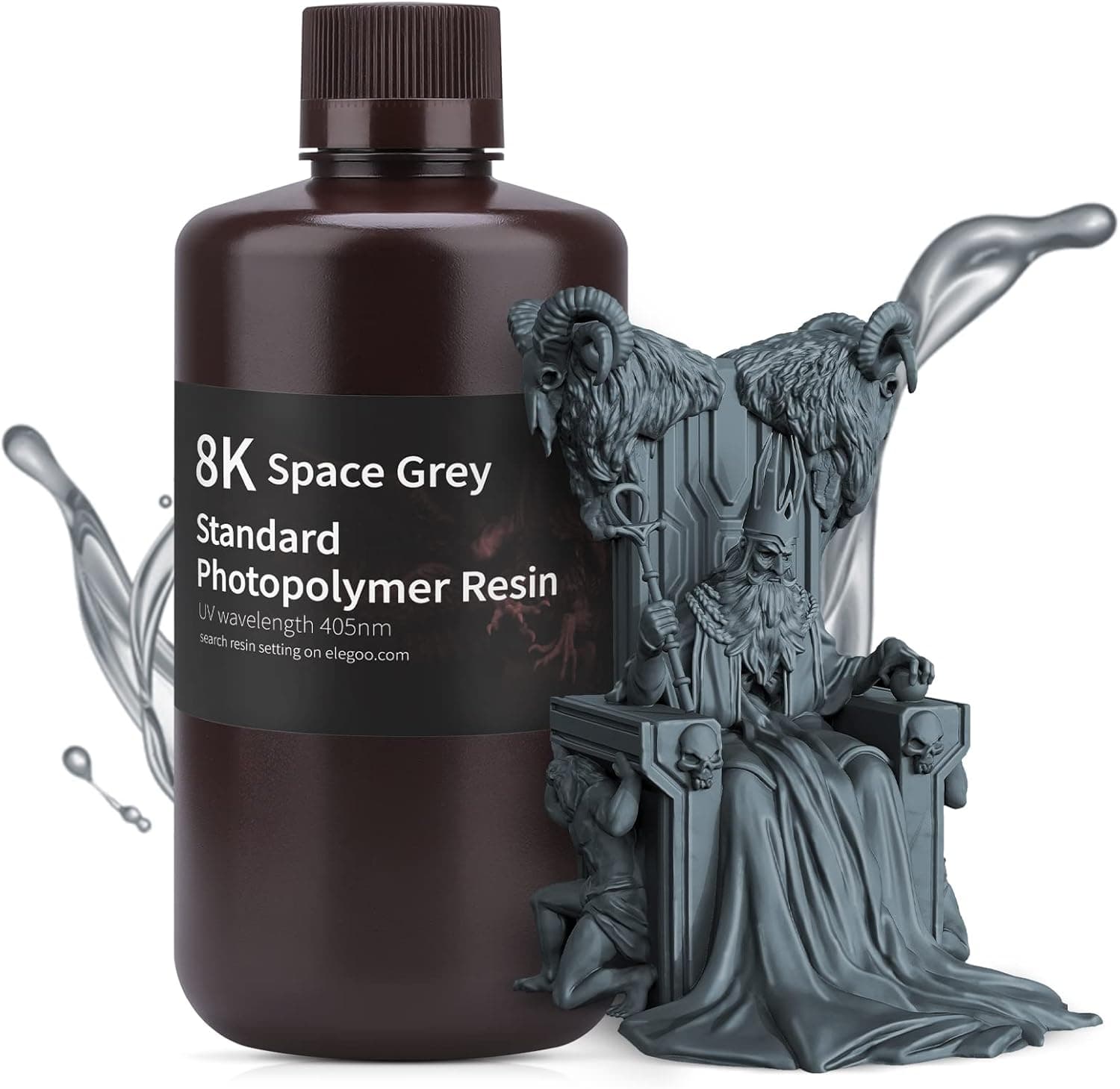
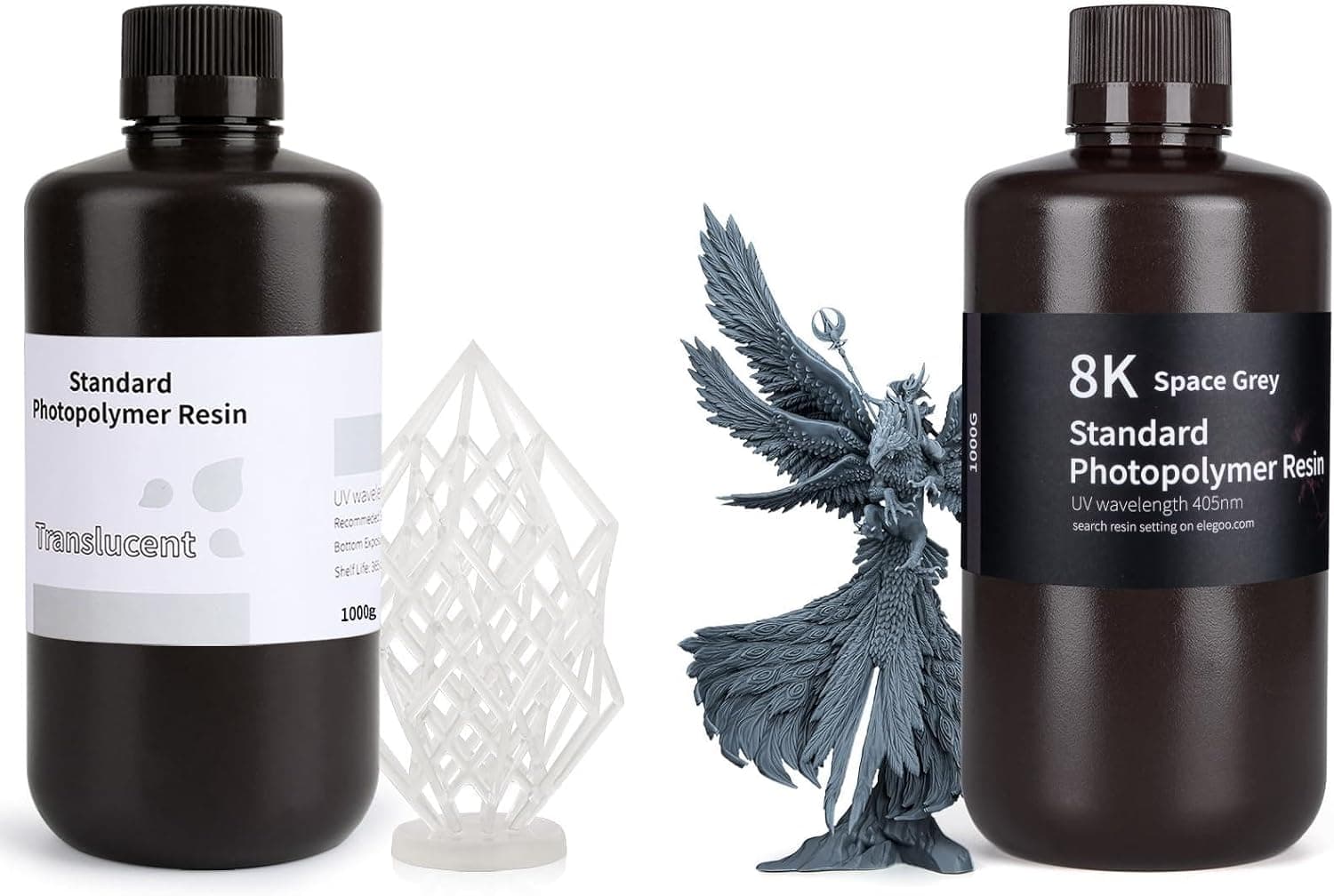
+ 8K formula is designed to hold fine detail on dense-pixel screens
From our guide: Best Standard Resin for Sharp, Affordable Prints (2026)
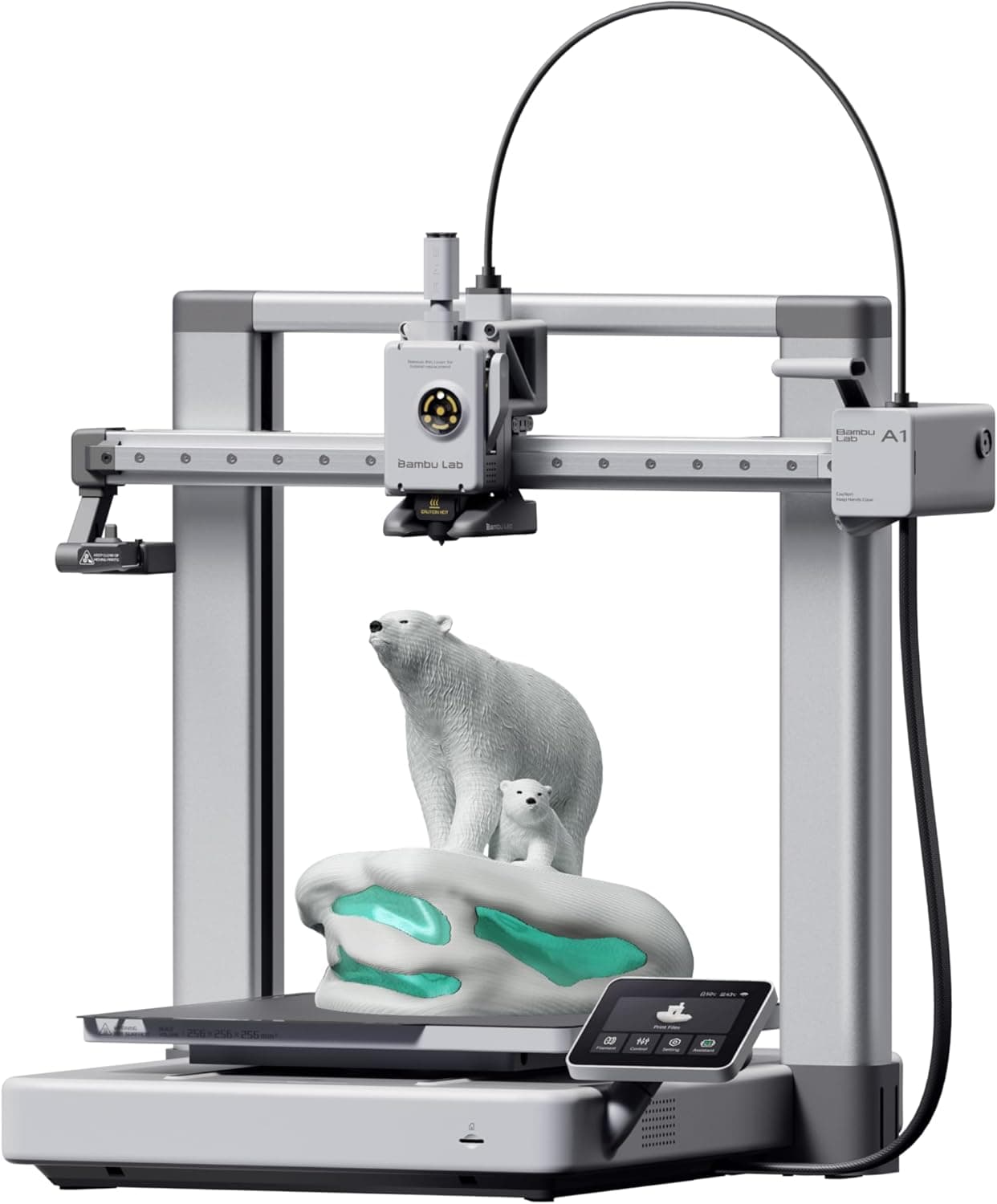
+ Full-auto calibration handles leveling, flow and vibration tuning
From our guide: Best FDM 3D Printers for Reliable Everyday Prints (2026)
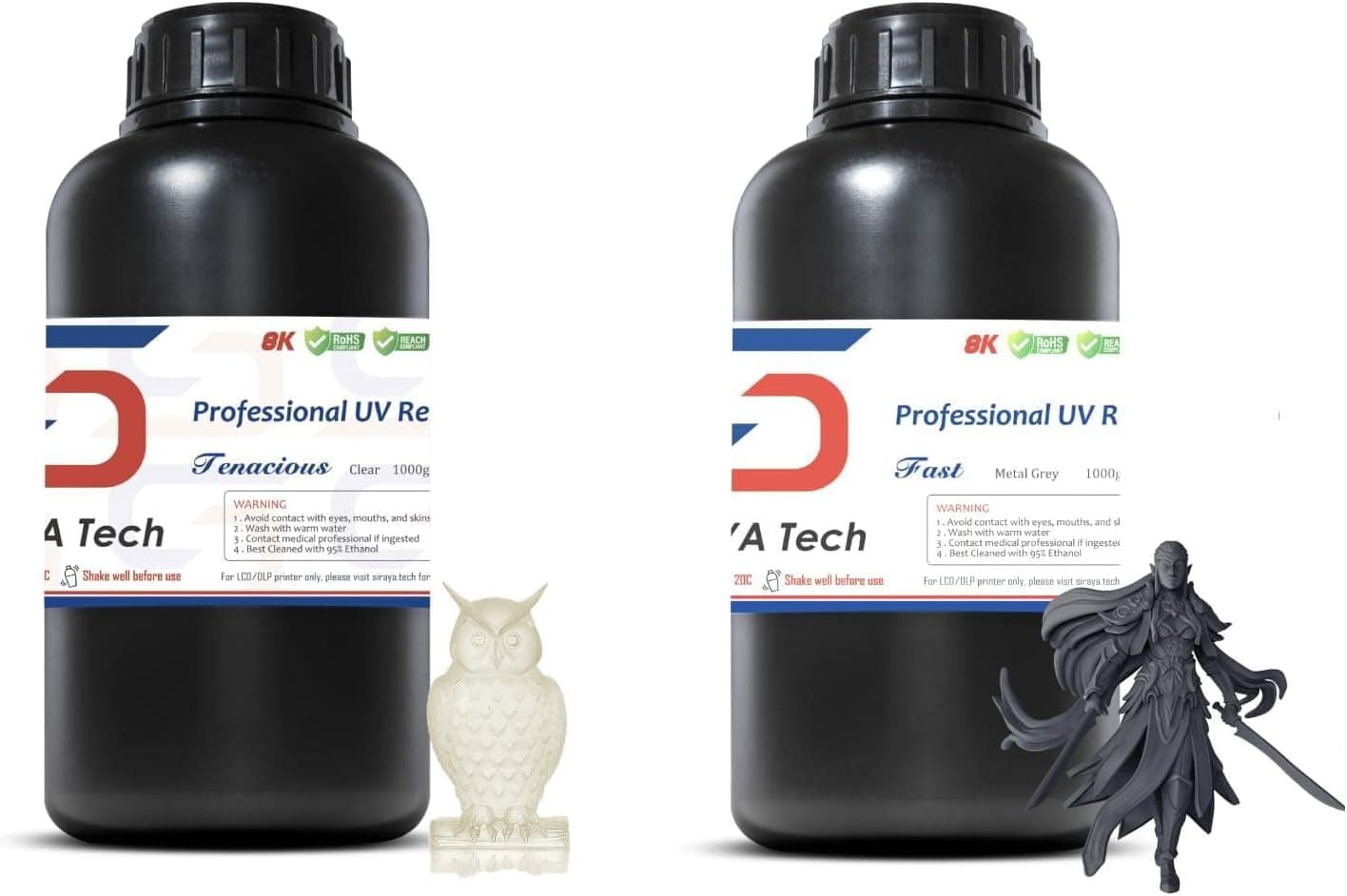
+ Blending Tenacious into Fast ABS-like is a well-known toughening recipe
From our guide: Best Tough Resin for Durable, Functional Parts (2026)
+ Translucent bottle shows internal detail and suits light-up models
From our guide: Best Standard Resin for Sharp, Affordable Prints (2026)
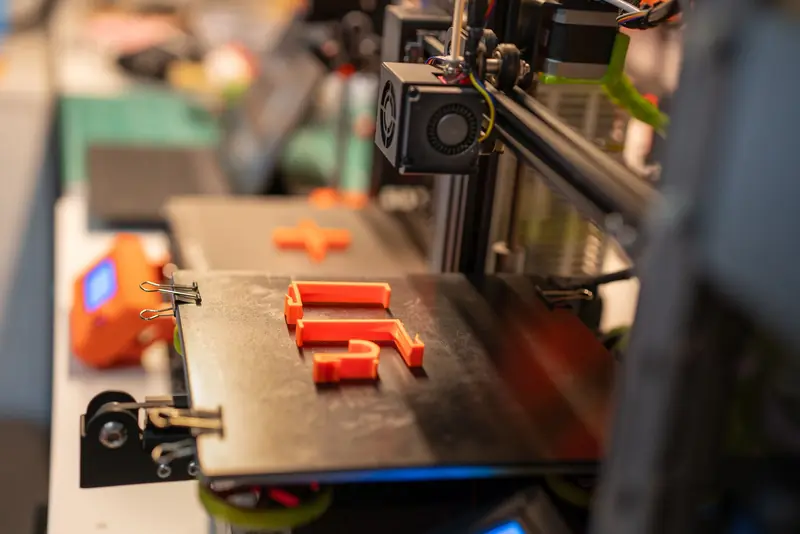
Build volume is one of the first specs to check. A common 220 x 220 x 250 mm bed handles the vast majority of hobby prints, and going larger mostly adds cost and calibration headaches. Think about the biggest single part you realistically expect to print. Bigger beds also take longer to heat and are harder to keep level, so do not buy more volume than you need.
Look for features that remove friction rather than chase headline numbers. Automatic bed leveling, a flexible PEI-coated spring steel plate, a direct-drive or well-tuned Bowextruder, and a silent mainboard all make daily use smoother. A heated bed is essential for anything beyond basic PLA. Some newer machines add input shaping and higher speeds, which are nice but not required for good results.
Consider the ecosystem around the printer, not just the hardware. A model with a large user community means faster answers when something goes wrong, more tested profiles for your slicer, and a steady supply of spare nozzles, belts, and hotends. Popular machines from established brands tend to age well because parts stay available for years.
Set a realistic total budget rather than only the sticker price. Beyond the printer you will want spare nozzles, a set of calipers, a scraper, isopropyl alcohol, and a few spools of filament. Budgeting roughly an extra 15 to 20 percent for consumables and tools keeps the first month frustration free.
Finally, be honest about how much tinkering you enjoy. Kit-style printers are cheap and teach you the mechanics, but they demand assembly and tuning. Semi-assembled machines get you printing in an hour and hide less of the complexity. Neither is wrong, but picking the one that matches your patience is the single biggest factor in whether the printer gets used or gathers dust.
One more tip: read recent reviews and browse a few community threads for whatever model you shortlist, focusing on reliability complaints rather than unboxing praise. Common failure points, the availability of firmware updates, and how the maker handles support all shape the long-term experience far more than a slightly larger build volume or a flashier spec sheet. A dependable machine you understand will always beat a feature-packed one that fights you.
Popular right now
- 3D Printing Supports GuideArticle
- Best Resin 3D Printers for Sharp, Detailed Models (2026)Buying guide
- Best PTFE Tubing for Smooth Filament Feeding (2026)Buying guide
- Best Beginner 3D Printers for a Smooth First Print (2026)Buying guide
- 3D Printer Filament Temperature ChartArticle
- Best Budget 3D Printers for Value Under Pressure (2026)Buying guide
Based on the last 28 days of search and visitor data.