First Layer Adhesion
Published How we research
A print that will not stick almost always fails in the first layer, and fixing adhesion is usually about surface prep, nozzle height, and temperature rather than exotic glues. A clean plate is the foundation. Skin oils from handling the bed leave an invisible film that plastic will not grip. Wipe the surface with isopropyl alcohol before printing, and for stubborn cases wash a removable plate with warm water and dish soap, then dry it fully.
Products from this article
The highest-scoring picks from the buying guides this article links to. Scores are our editorial assessment, not customer ratings.
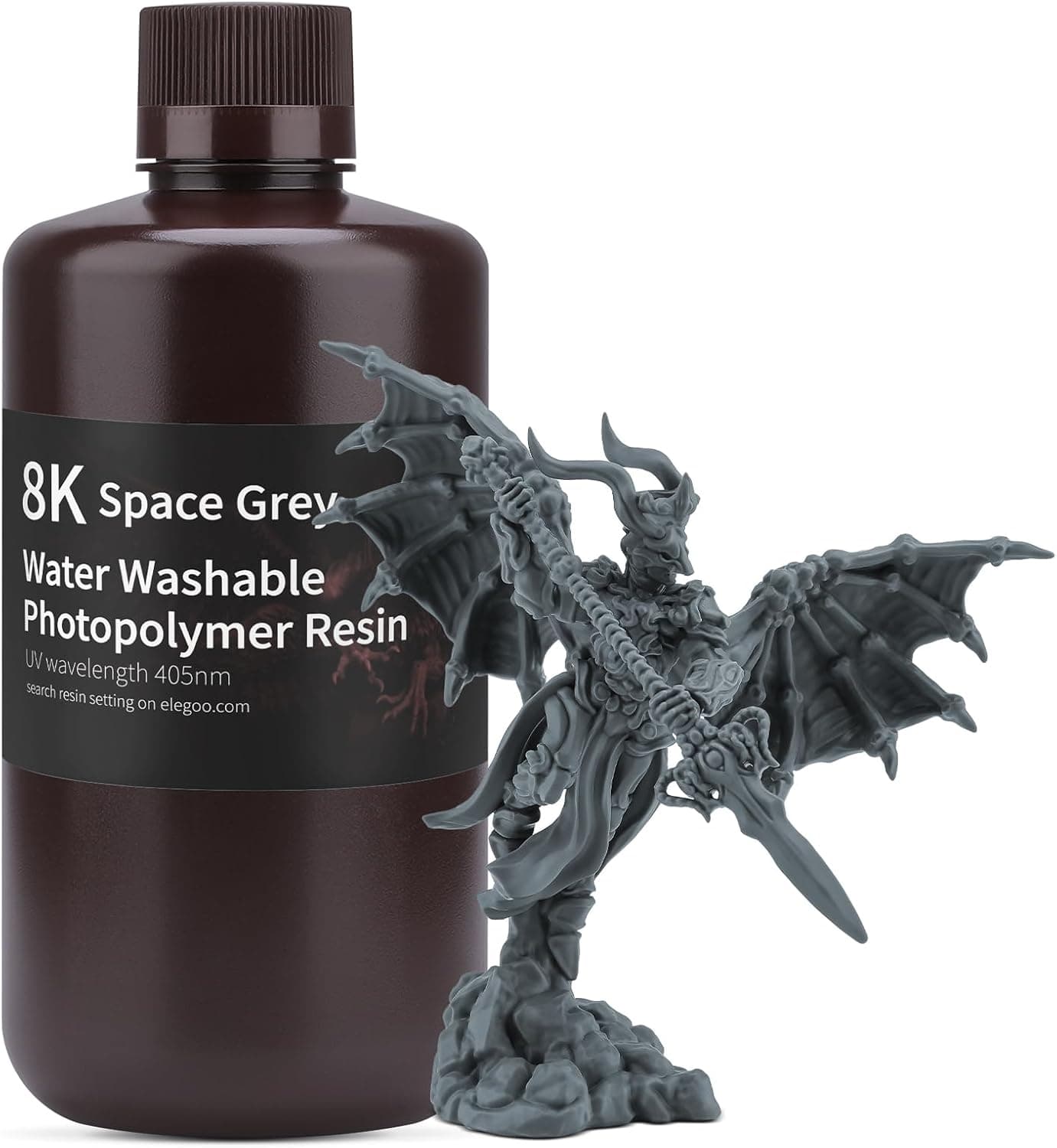
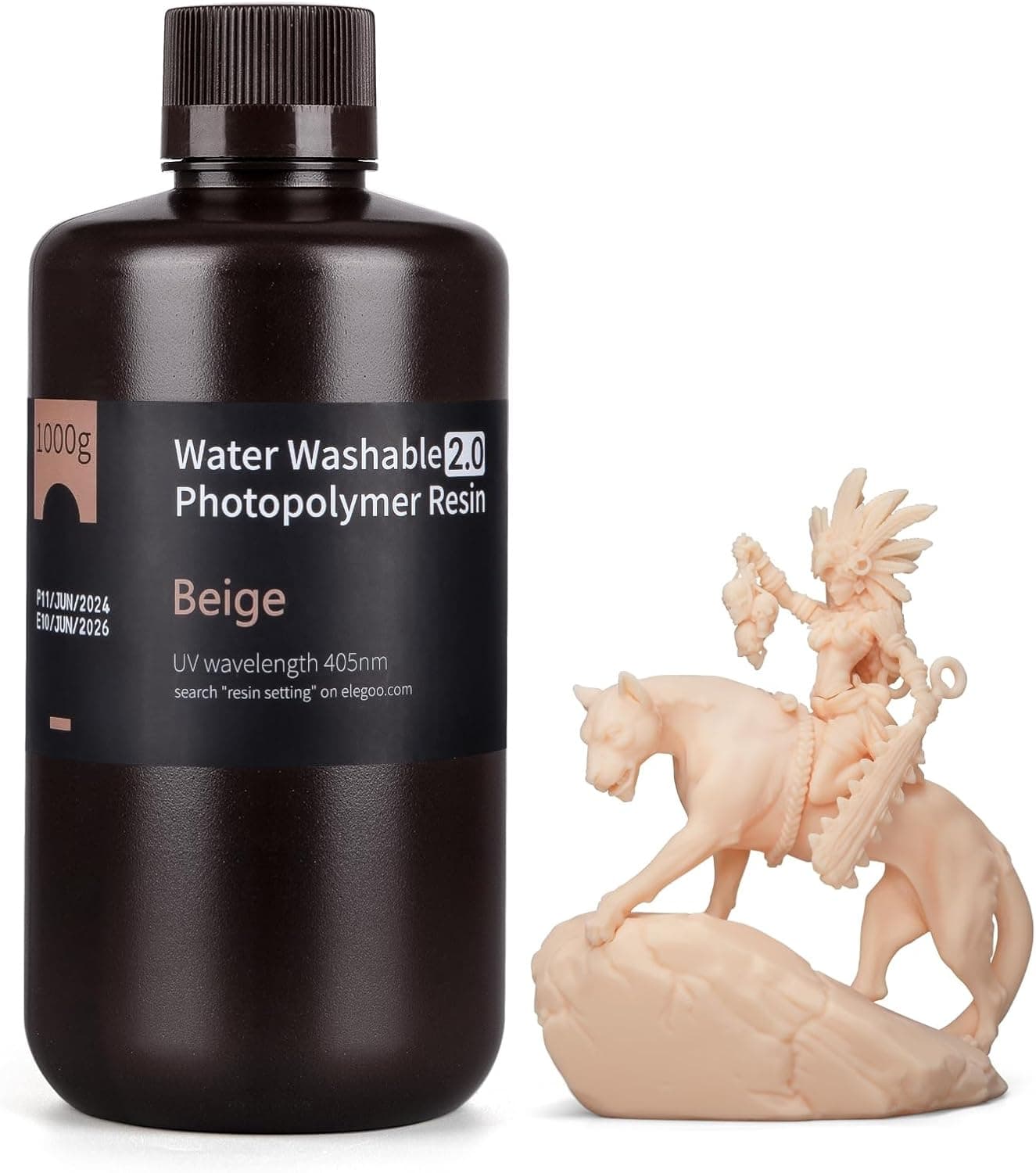
+ 8K formula pairs fine detail with the convenience of water washing
From our guide: Best Water-Washable Resin for Easy Cleanup (2026)
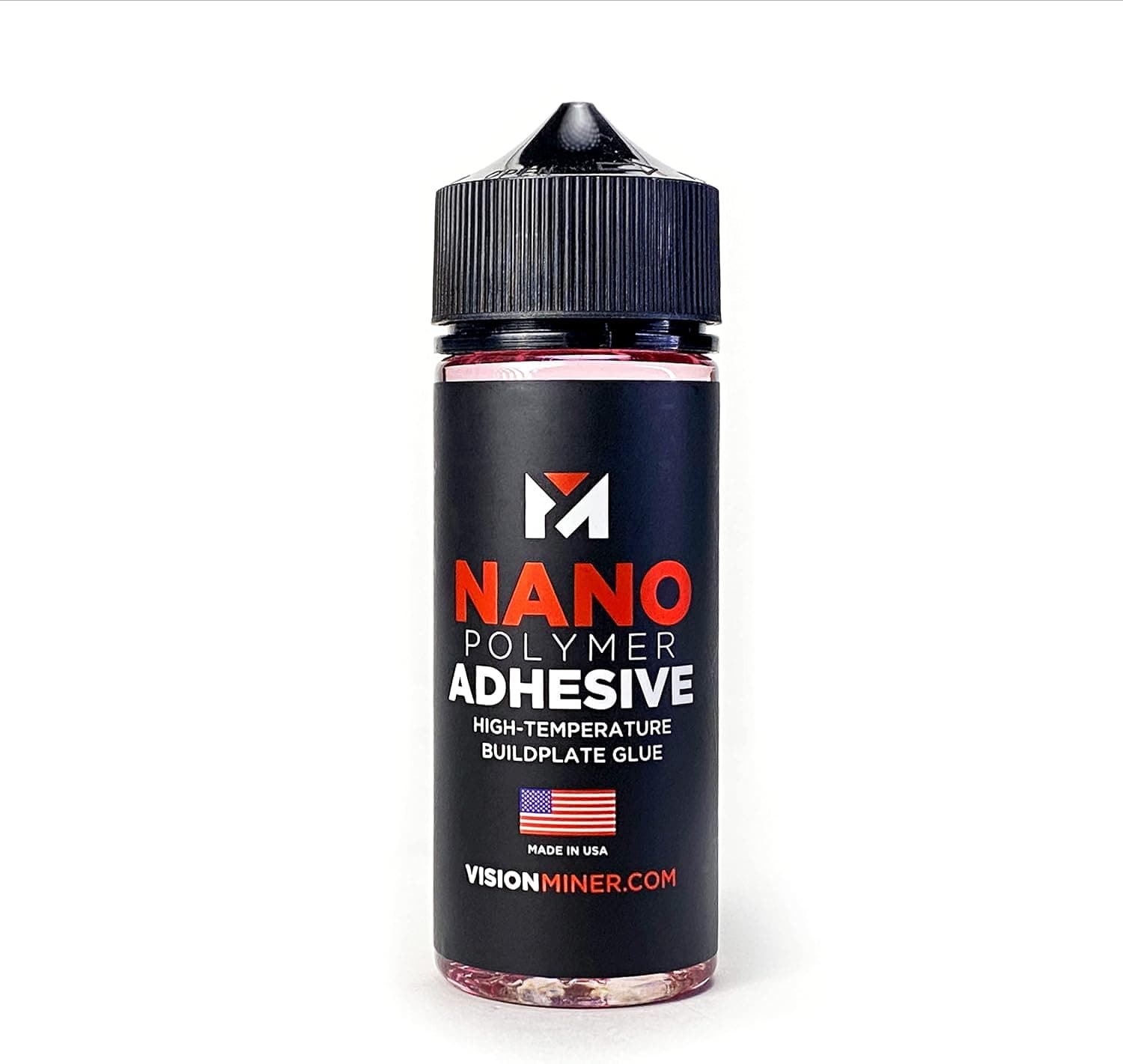
+ 120ml quantity lasts a long time with thin applications
From our guide: Best Bed Adhesive Glues for No-Warp Prints (2026)
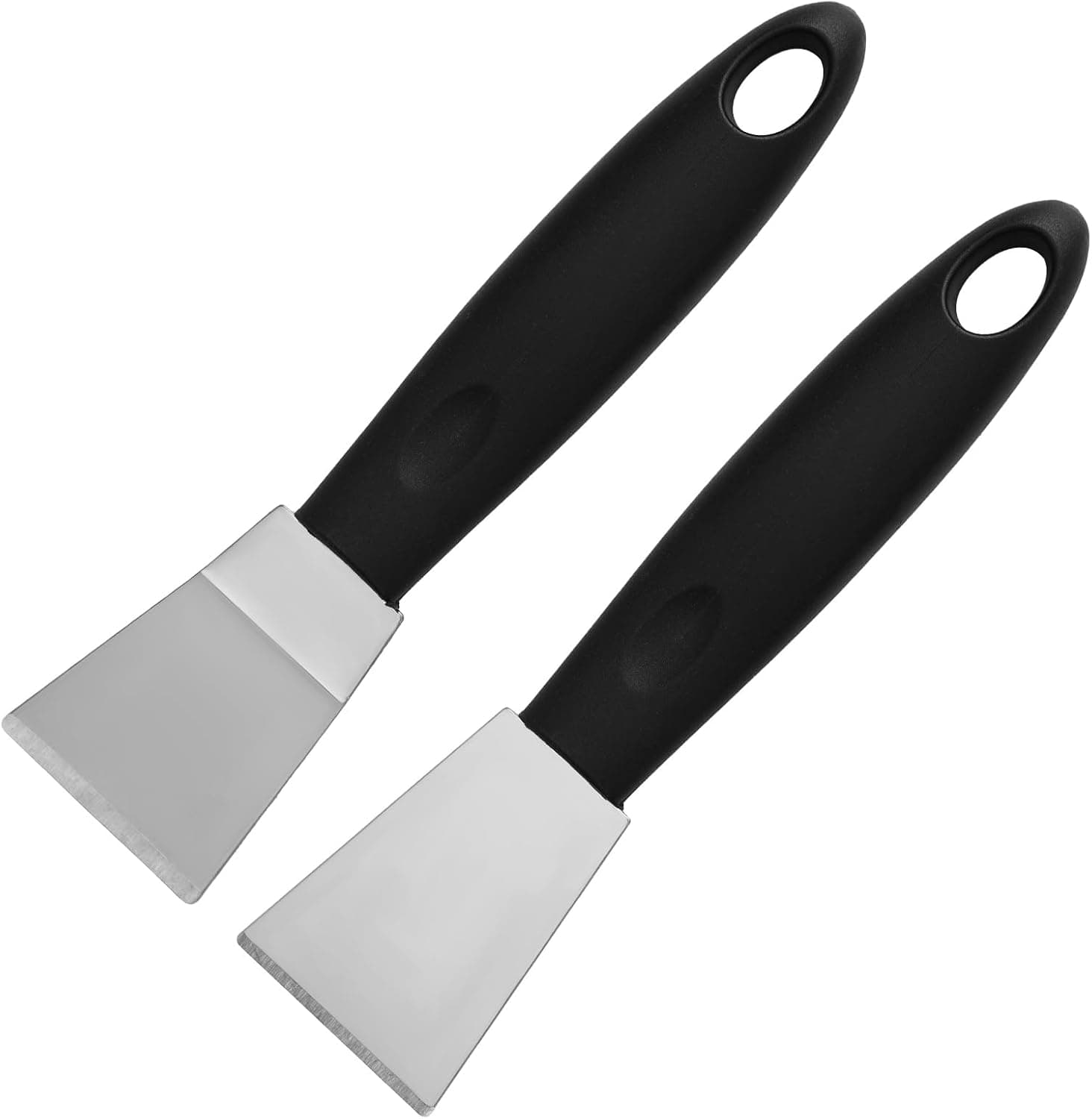
+ Curved head reaches under rounded or small prints more easily
From our guide: Best Print Bed Scrapers for Safe Part Removal (2026)
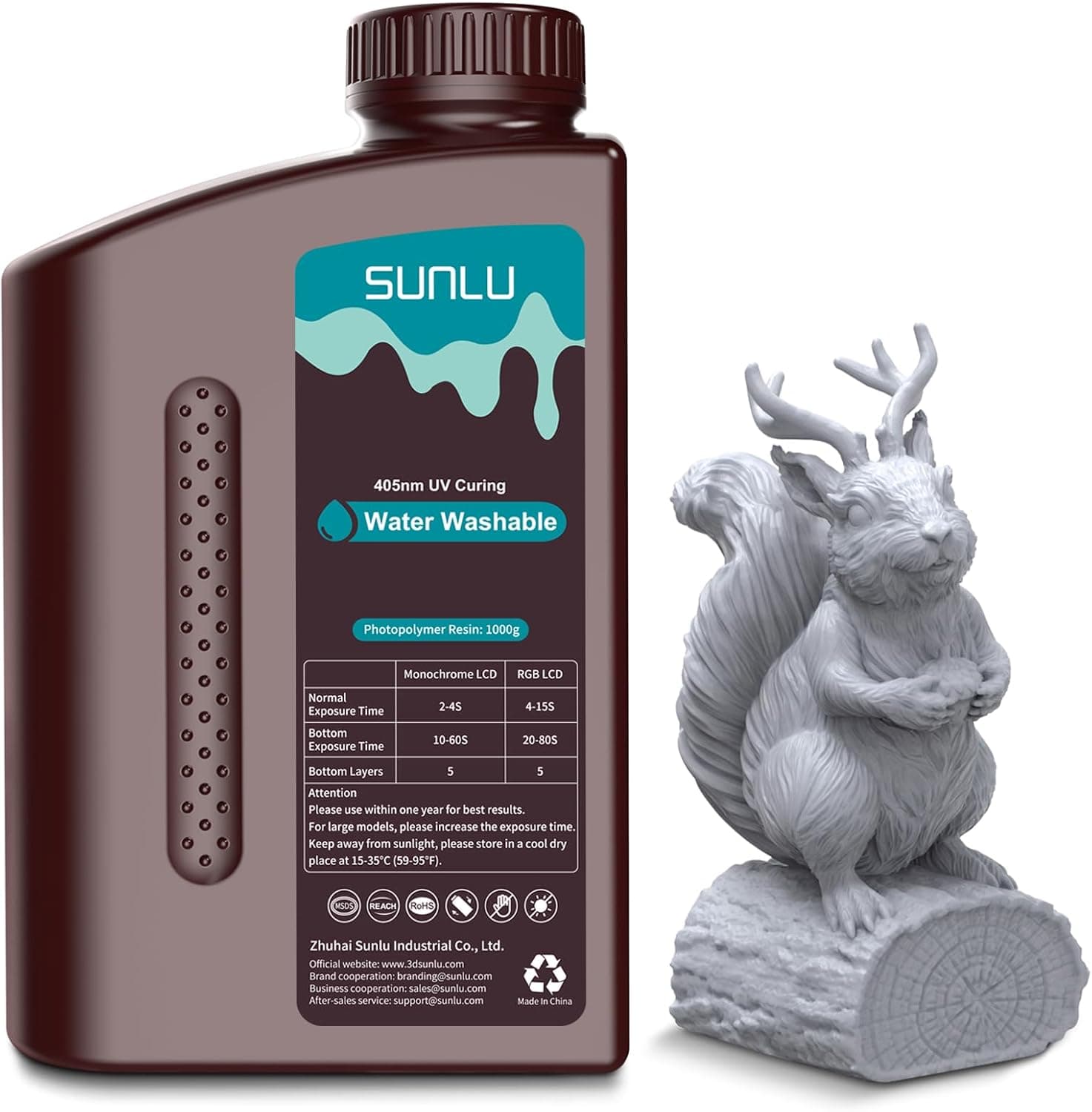
+ 2.0 formula is a newer generation of ELEGOO's washable resin
From our guide: Best Water-Washable Resin for Easy Cleanup (2026)
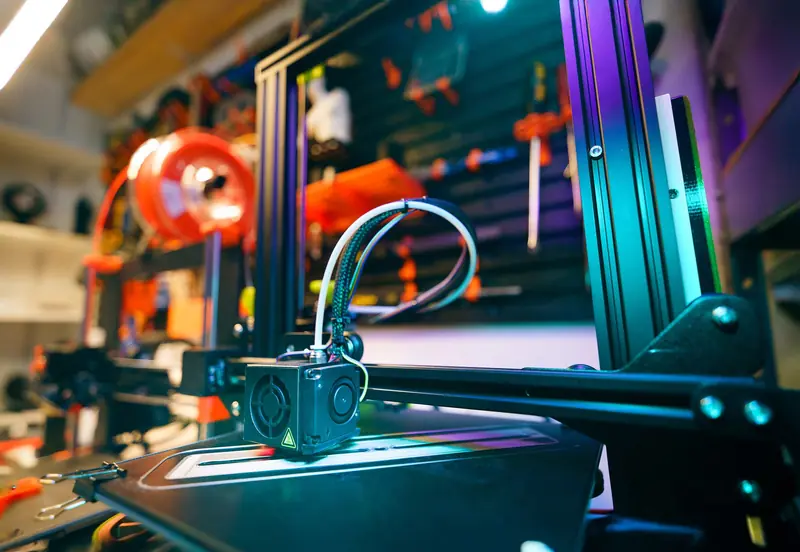
Nozzle height is the next lever. If the first layer is too high the lines stay round and peel away as the head drags them. Lower the Z offset until the extruded lines flatten and fuse into a solid sheet. A slightly squished first layer grips far better than a pretty rounded one, so err toward pressing the plastic into the plate.
Bed temperature matters because warm plastic bonds and cold plastic releases. For PLA a bed around 55 to 60 C is typical, PETG likes 70 to 80 C, and ABS wants 100 C or more. If corners lift, nudge the bed temperature up a few degrees. Also disable or reduce part-cooling fan on the first layer or two, since blasting cold air right at the fresh plastic weakens the initial bond.
Match the surface to the material. Textured PEI grips PLA and PETG well and releases when cool. Smooth PEI gives glossy bottoms but can bond too hard to PETG, so a thin wipe of glue stick acts as a release layer as much as an adhesive. Glass needs an adhesion aid such as glue stick or hairspray. Painter's tape works for PLA in a pinch.
Slicer settings give you extra grip when geometry is difficult. A brim adds a flat skirt of material around the part that holds down corners and can be cut away afterward. A raft builds a full base under the part, useful for small footprints or warpy materials, at the cost of extra plastic and a rougher bottom. Slowing the first-layer speed to around 20 mm per second gives each line time to bond.
If problems persist despite clean prep, look for mechanical issues. A warped plate leaves gaps the nozzle cannot reach, a loose belt causes the head to skip and smear, and a partial clog starves the first layer of plastic. Print a first-layer calibration square that covers most of the bed to reveal whether the trouble is one corner, a Z offset that is slightly off, or the whole surface at once.
Once you find a routine that works for your surface and material, write it down and repeat it exactly. Adhesion problems are far easier to prevent than to diagnose mid-print, and a consistent process, the same cleaning, the same Z offset, the same first-layer speed and temperature, removes most of the guesswork. When something suddenly stops sticking, you then have a known baseline to compare against, which makes the real change easy to spot.
Popular right now
- 3D Printing Supports GuideArticle
- Best Resin 3D Printers for Sharp, Detailed Models (2026)Buying guide
- Best PTFE Tubing for Smooth Filament Feeding (2026)Buying guide
- Best Beginner 3D Printers for a Smooth First Print (2026)Buying guide
- 3D Printer Filament Temperature ChartArticle
- Best Budget 3D Printers for Value Under Pressure (2026)Buying guide
Based on the last 28 days of search and visitor data.