How to Dry Filament and Why Wet Filament Ruins Prints
Published How we research
Filament absorbs moisture from the air, and when damp plastic hits the nozzle the water flashes to steam, causing popping, bubbles, stringing, rough surfaces, and weak layers that no slicer setting fixes. Dry spools with gentle sustained heat below the softening point: about 45 to 55C for PLA, 60 to 65C for PETG, 70 to 80C for nylon, for four to six hours. Then store in airtight boxes with fresh desiccant. Filament is hygroscopic, meaning it pulls moisture out of the air, and wet filament is one of the most common hidden causes of poor prints. When damp plastic reaches the hot nozzle, the trapped water flashes to steam. That steam creates bubbles, popping and crackling sounds, rough surfaces, stringing, and weak layer bonding, none of which any slicer setting can fully correct.
Products from this article
The highest-scoring picks from the buying guides this article links to. Scores are our editorial assessment, not customer ratings.
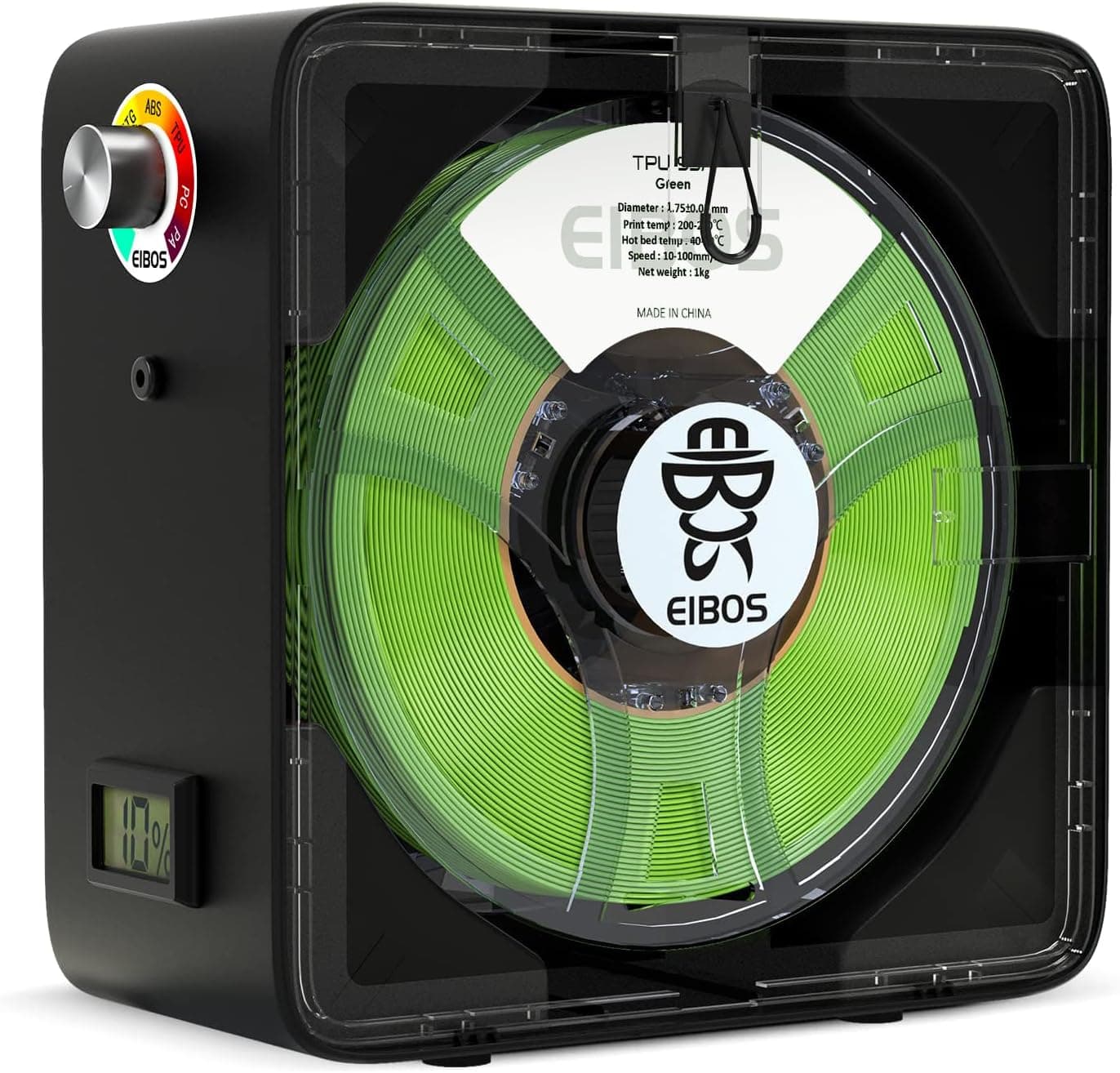
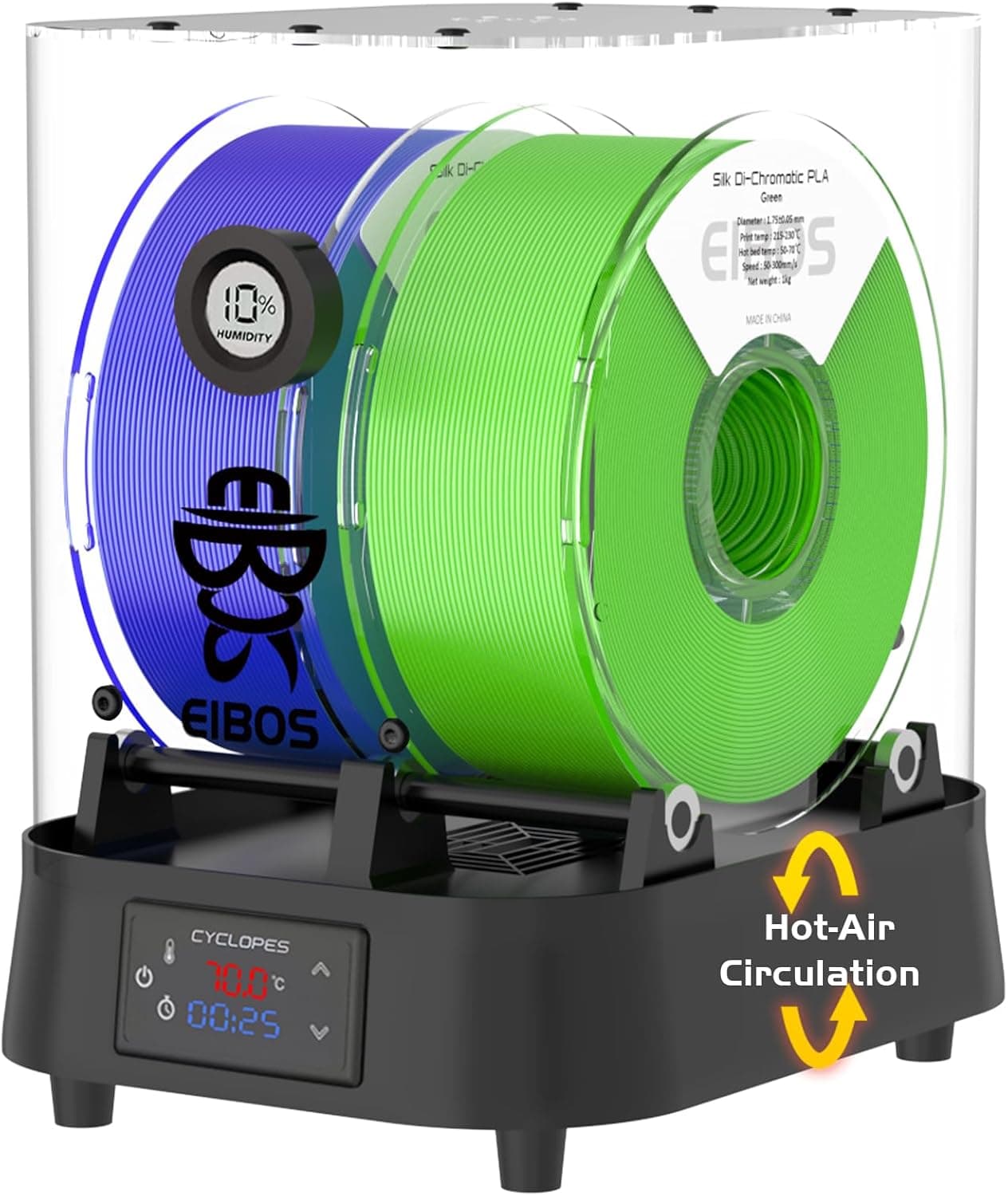
+ Holds 2 rolls, handy for dual-material or AMS printing
From our guide: Best Filament Dry Boxes for Moisture-Free Prints (2026)
+ 70C max temperature handles common hygroscopic filaments
From our guide: Best Filament Dry Boxes for Moisture-Free Prints (2026)
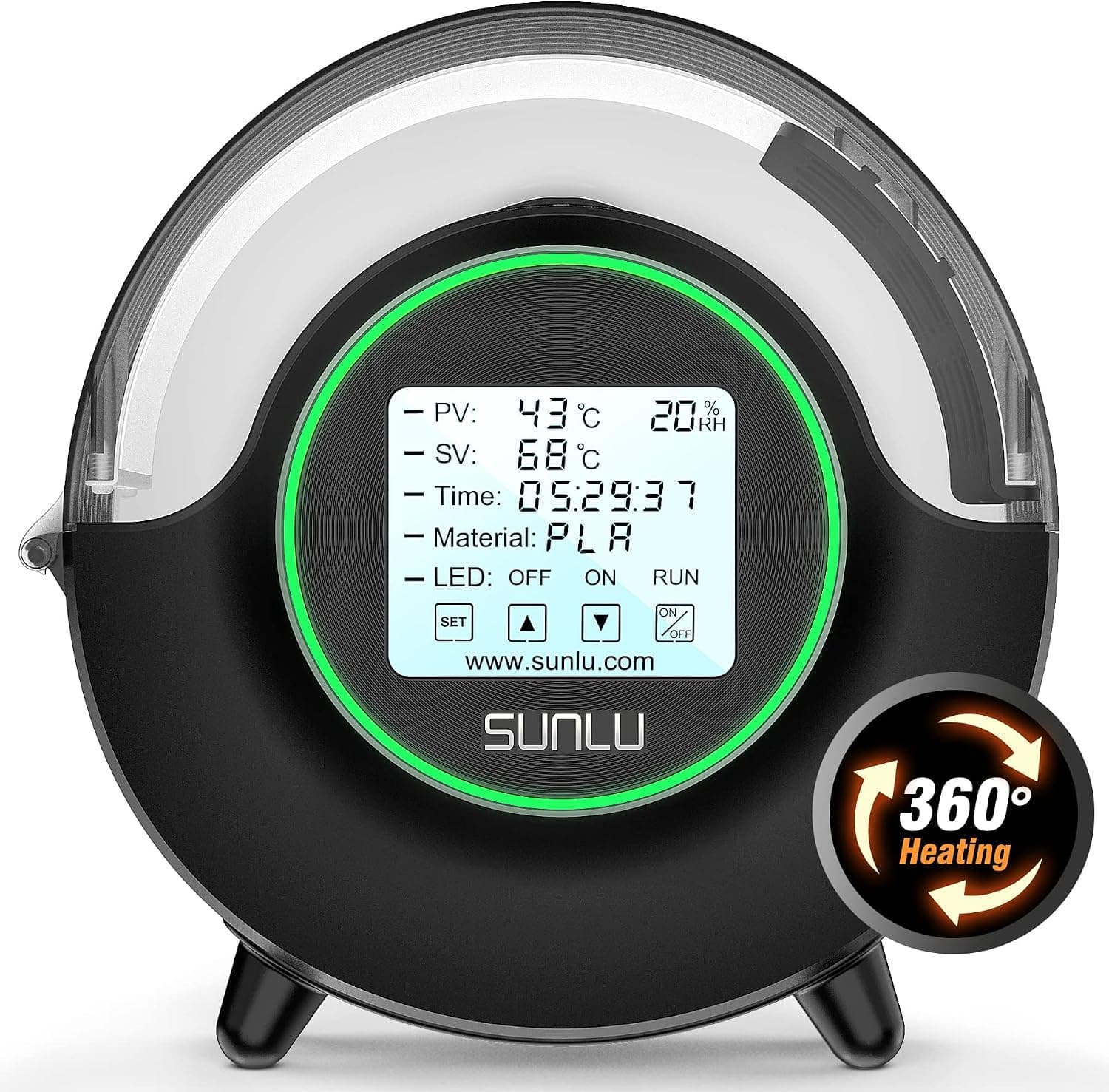
+ 360 surround heating warms the spool more evenly from all sides
From our guide: Best Filament Dry Boxes for Moisture-Free Prints (2026)
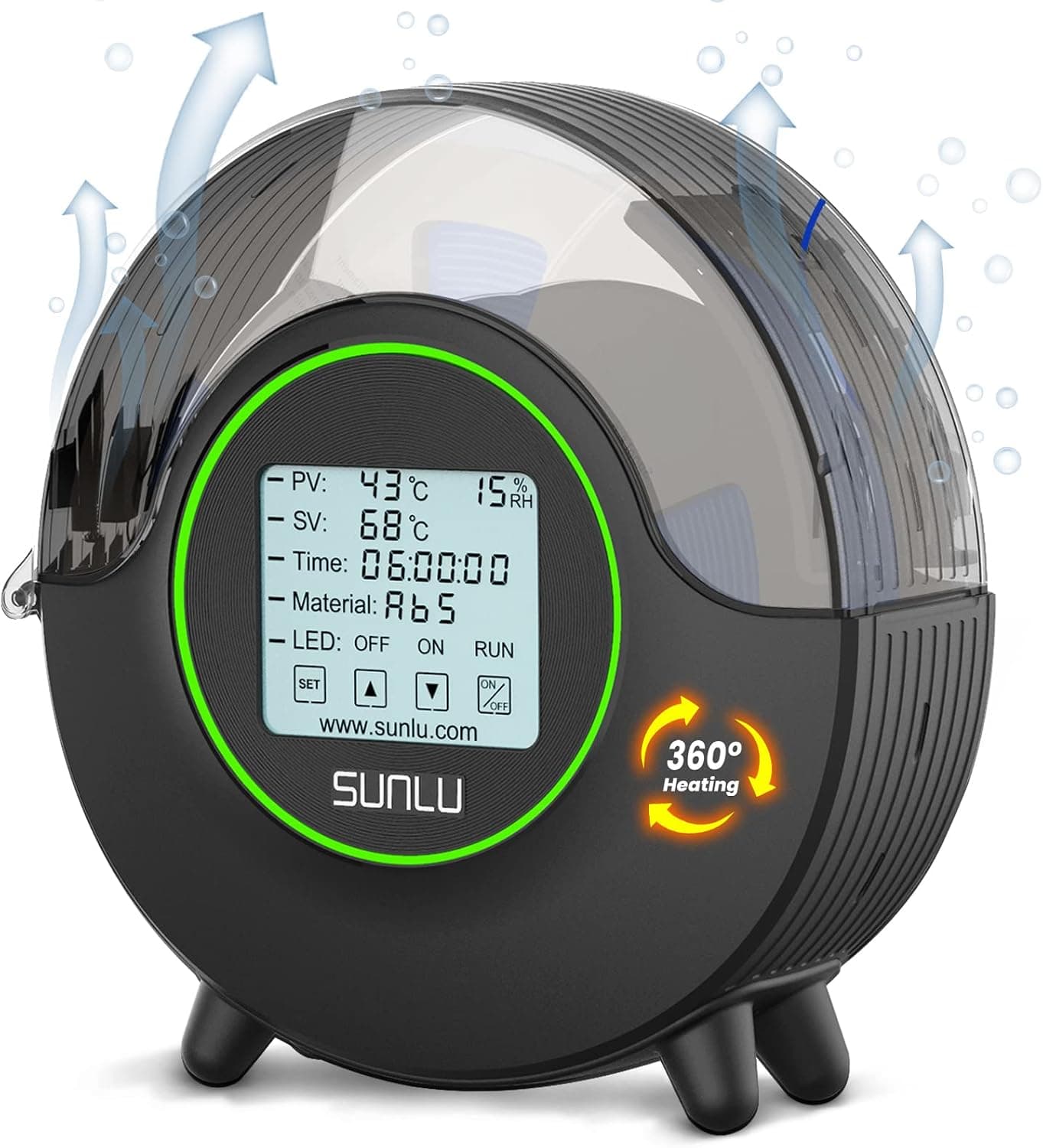
+ Circulation fan speeds drying compared with the original S1
From our guide: Best Filament Dry Boxes for Moisture-Free Prints (2026)
Different materials absorb moisture at different rates
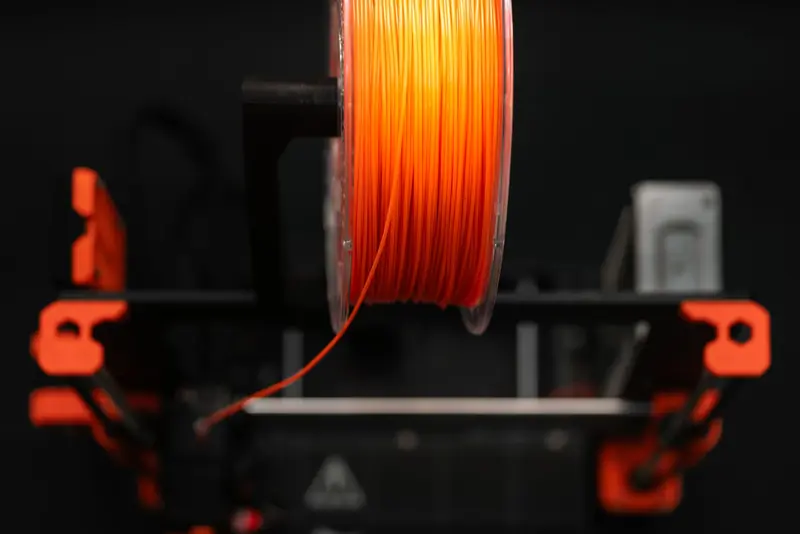
Materials differ in how thirsty they are. PLA absorbs moisture slowly and tolerates some humidity, while PETG is more sensitive, and nylon, TPU, and PVA can go bad within hours of exposure. If a spool that printed well last month now strings and pops straight out of storage, moisture is the likely culprit rather than a settings change.
Drying method: dedicated dryer vs kitchen oven
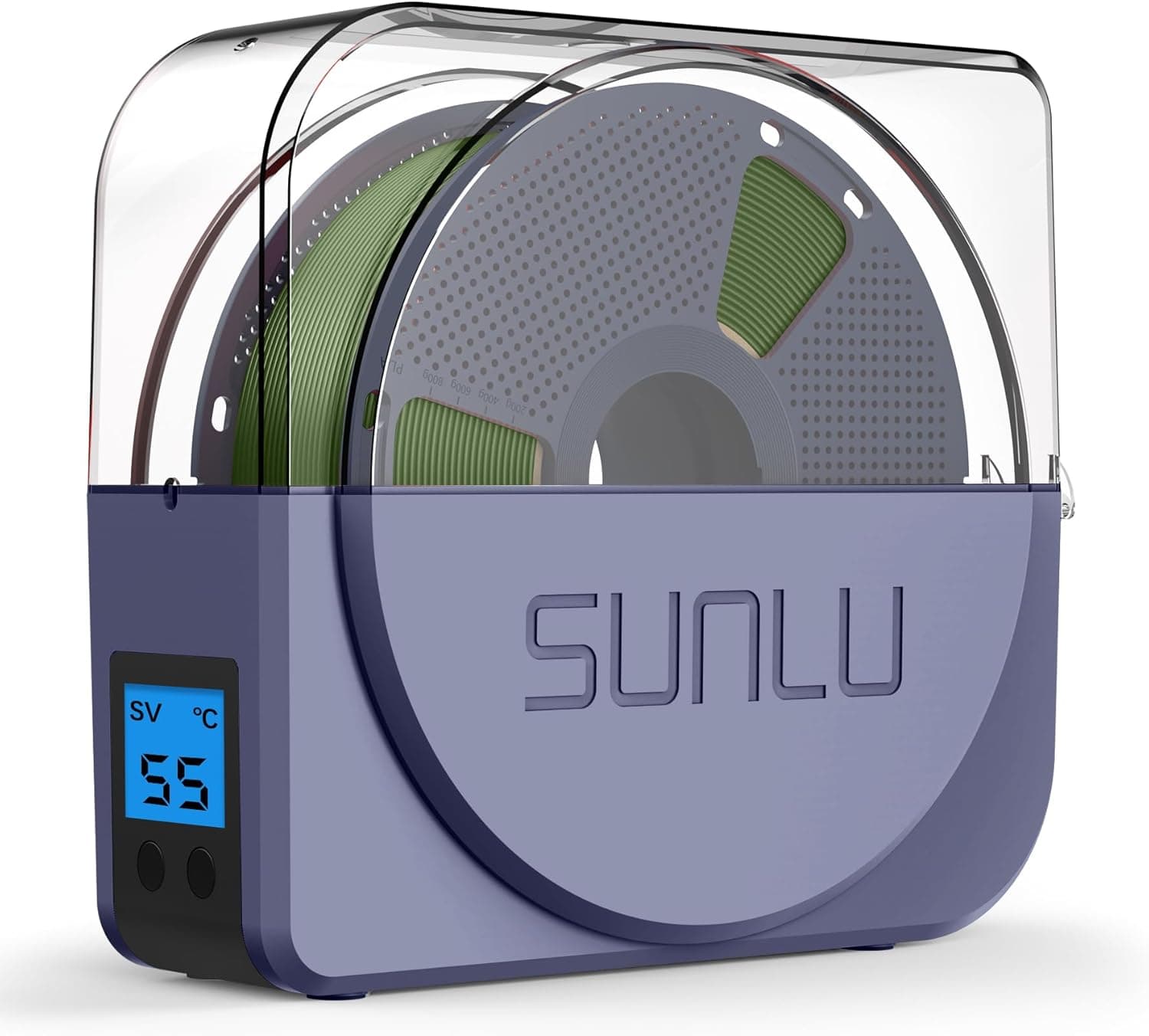
Drying removes that absorbed water with gentle, sustained heat below the plastic's softening point. A dedicated filament dryer is easiest, holding a set temperature and often letting you print straight from the unit. A kitchen oven works if it holds low temperatures accurately, but many ovens overshoot and can deform or fuse a spool, so verify the real temperature with a separate thermometer before trusting it.
Temperatures and times by material
Use the right temperature and time for the material. PLA dries around 45 to 55 C, PETG around 60 to 65 C, and nylon around 70 to 80 C, typically for four to six hours or longer for badly soaked spools. Stay below the glass transition temperature so the spool does not soften and stick together. Longer at a safe temperature is better than hotter and faster.
Keeping filament dry is easier than rescuing it
Keeping filament dry is easier than repeatedly rescuing it. Store spools in airtight boxes or vacuum bags with fresh desiccant, and consider a hygrometer inside the container to confirm humidity stays low, ideally under about 15 percent. Reusable silica gel that you can recharge in the oven is cheap and effective. Only take a spool out to print, then return it promptly.
Dry boxes for long prints
For materials that absorb quickly, printing from a sealed dry box with the filament fed through a port keeps it dry during long prints. Do not assume a brand-new sealed spool is dry, since some ship with moisture already absorbed, and a quick dry before first use often improves results. Treating dryness as routine maintenance rather than an emergency fix removes a whole category of mystery print failures.
A one-minute test for wet filament
If you are unsure whether moisture is the problem, run a simple test: extrude some filament by hand at temperature and watch and listen. Steady, smooth, quiet extrusion suggests dry plastic, while popping, steam, bubbles, or an uneven stream points to moisture. This quick check takes a minute and tells you whether a drying cycle is worth running before you start a long print.
Frequently asked questions
How do I know if my filament is wet? Extrude some by hand at temperature and watch and listen. Steady, smooth, quiet extrusion means dry; popping, steam, bubbles, or an uneven stream means moisture.
What temperature should I dry filament at? Below the glass transition temperature: roughly 45 to 55C for PLA, 60 to 65C for PETG, and 70 to 80C for nylon, for four to six hours or longer for badly soaked spools.
Can I dry filament in a kitchen oven? Only if it holds low temperatures accurately, verified with a separate thermometer. Many ovens overshoot and can deform or fuse a spool. A dedicated filament dryer is safer.
How should I store filament to keep it dry? In airtight boxes or vacuum bags with fresh, rechargeable silica gel desiccant, ideally with a hygrometer confirming humidity stays under about 15 percent.
Popular right now
- 3D Printing Supports GuideArticle
- Best Resin 3D Printers for Sharp, Detailed Models (2026)Buying guide
- Best PTFE Tubing for Smooth Filament Feeding (2026)Buying guide
- Best Beginner 3D Printers for a Smooth First Print (2026)Buying guide
- 3D Printer Filament Temperature ChartArticle
- Best Budget 3D Printers for Value Under Pressure (2026)Buying guide
Based on the last 28 days of search and visitor data.