Using Calipers and Tolerances for Accurate 3D Prints
Published How we research
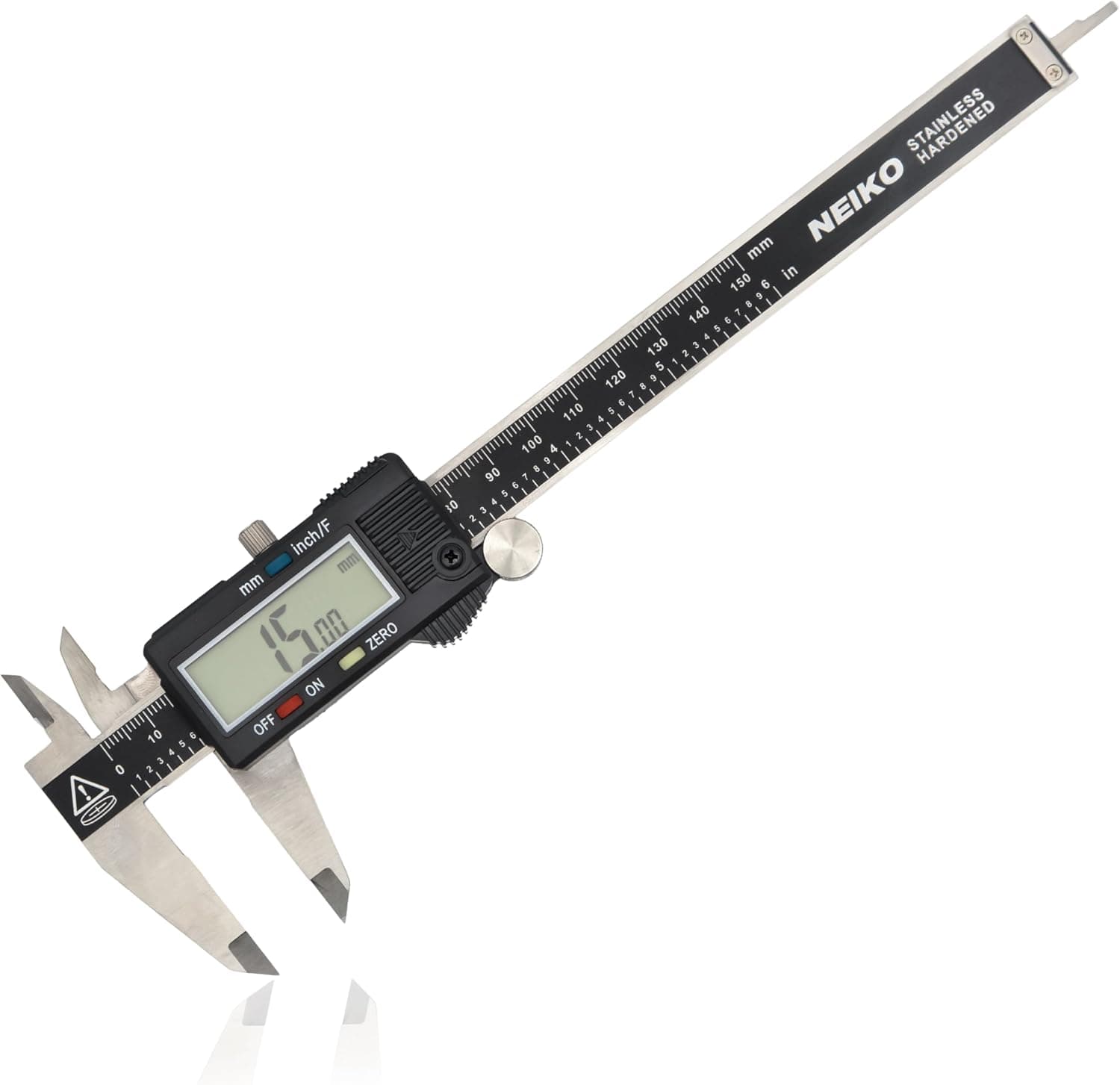
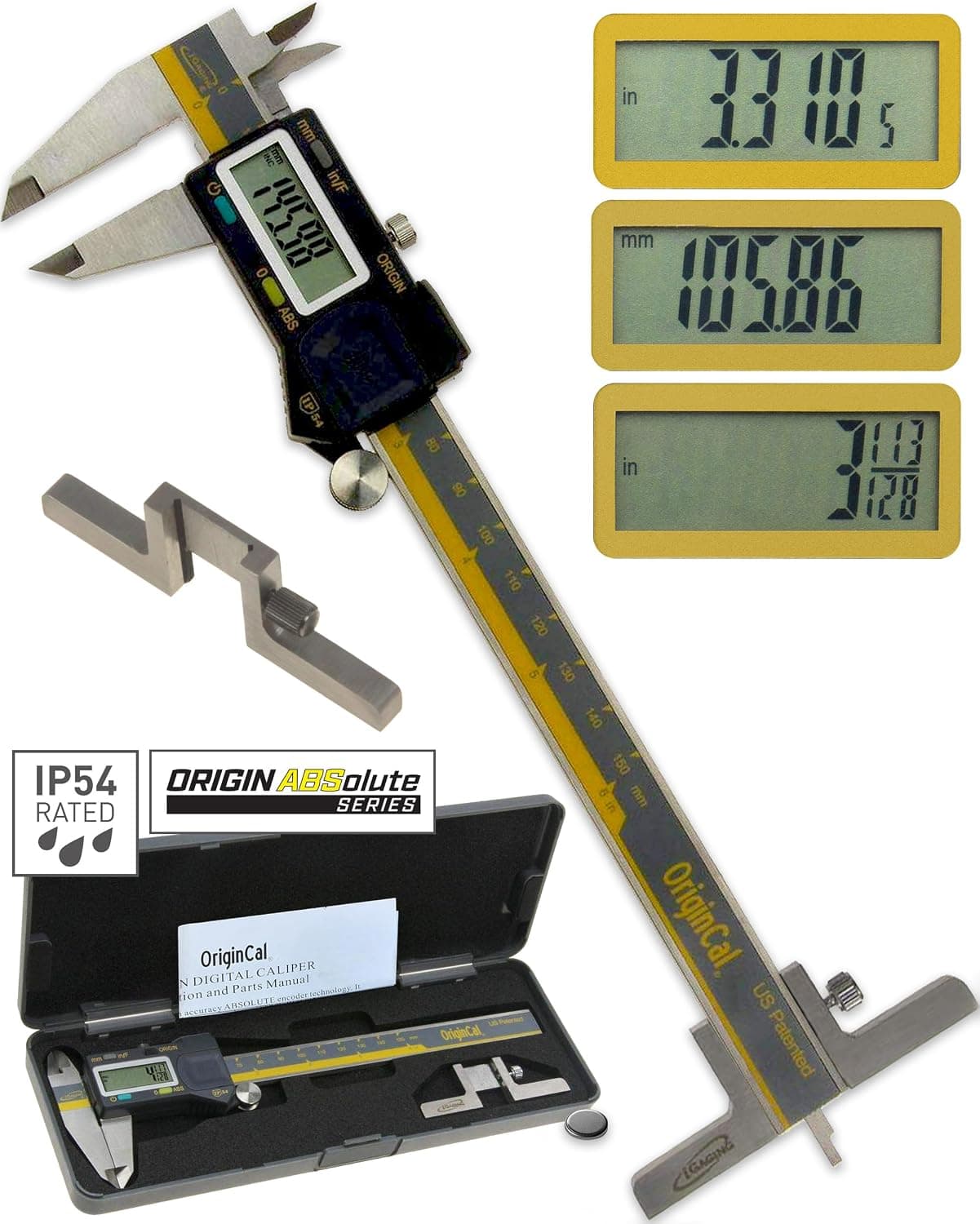
Digital calipers measure outside dimensions with the main jaws, holes with the upper jaws, and depth with the rod; zero them closed before each reading. Printed outside dimensions usually come out slightly large and holes slightly small. Design a deliberate tolerance gap between mating parts, roughly 0.2 to 0.4mm total for a free-sliding clearance fit, and print a stepped tolerance test to learn what your machine and material actually produce. Digital calipers are the most useful measuring tool in 3D printing, and learning to use them well is what separates parts that fit from parts that almost fit. A caliper measures outside dimensions with its main jaws, inside dimensions of holes and slots with the smaller upper jaws, and depth with the rod that extends from the end. Zero the tool closed before each measurement so readings stay accurate.
Products from this article
The highest-scoring picks from the buying guides this article links to. Scores are our editorial assessment, not customer ratings.
+ Absolute Origin keeps zero reference even after power off
From our guide: Best Digital Calipers for Precise Print Measuring (2026)
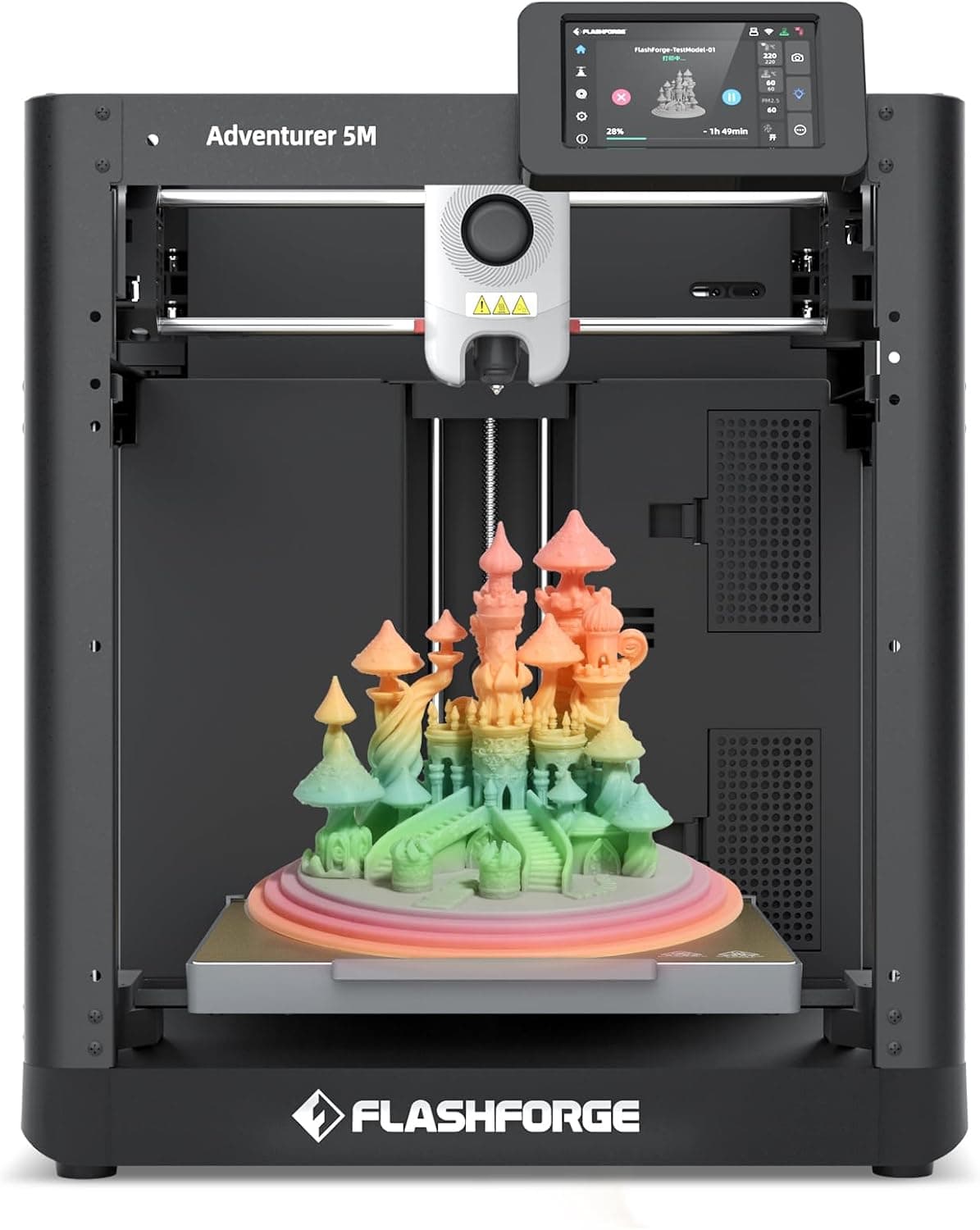
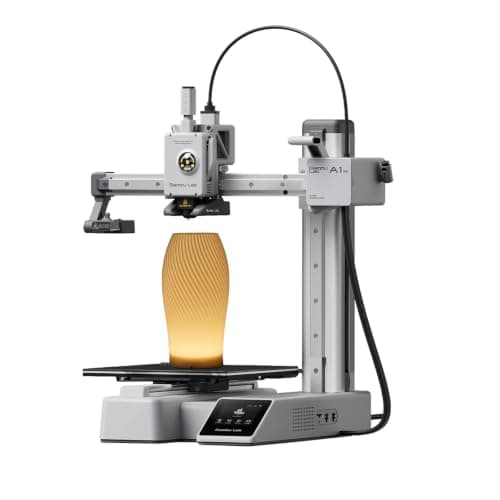
+ 600mm/s rated speed makes it one of the quickest beginner picks
From our guide: Best Beginner 3D Printers for a Smooth First Print (2026)
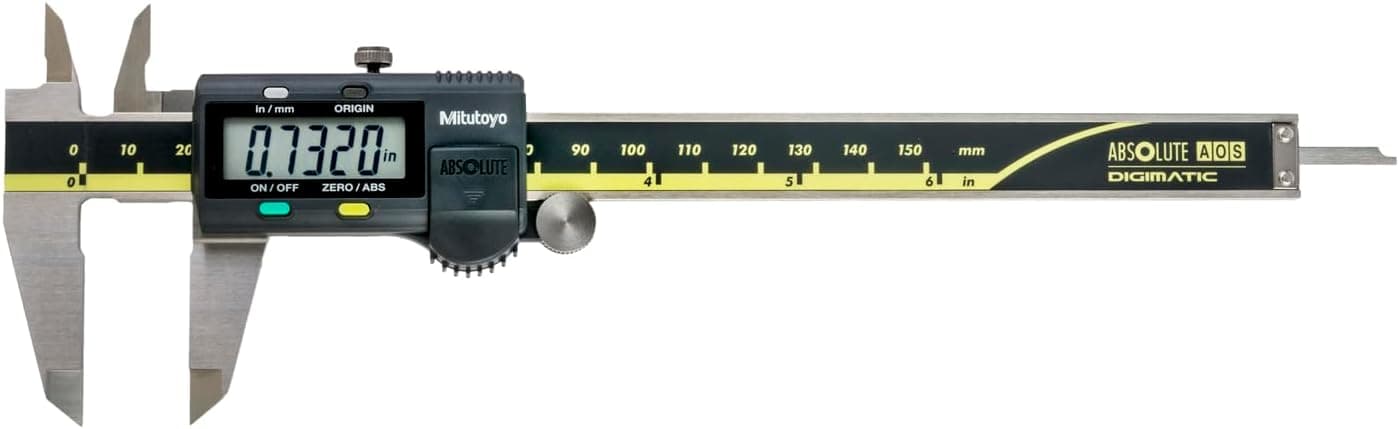
+ Mitutoyo is a benchmark brand for precision measuring tools
From our guide: Best Digital Calipers for Precise Print Measuring (2026)
+ Automatic calibration and simple setup are aimed at first-time users who want to print, not troubleshoot
From our guide: Best Beginner 3D Printers for a Smooth First Print (2026)
Using a caliper correctly
Printed parts rarely come out at the exact modeled size, and understanding why helps you compensate. Extrusion width, flow calibration, and the way corners are laid down all cause small deviations. Outside dimensions often print slightly large and holes often print slightly small, because the plastic squishes outward and inward respectively. Measuring a printed calibration cube against its nominal size tells you your machine's tendency.
Why printed parts come out off-size
Tolerance is the deliberate gap you design between mating parts so they fit as intended. Two parts modeled at exactly the same size will not slide together, because real prints are not perfect. A clearance fit, where a pin slides freely in a hole, typically needs around 0.2 to 0.4 mm of gap total. A tight press fit needs almost none, and an interference fit needs the parts slightly oversized so they grip.
Tolerance: the deliberate gap between parts
Test and record the fits your printer produces rather than guessing. Print a simple tolerance test, a set of pins and holes with stepped clearances, and see which gap gives the fit you want. Because the result depends on your nozzle, flow, and material, a tolerance that works on one printer may not transfer exactly to another. Keep notes so you can design confidently next time.
Test and record the fits your printer produces
Threads, snap fits, and moving joints all live or die by tolerance. Threaded connections usually need extra clearance because printed threads are rougher than machined ones. Snap fits need enough clearance to click without either jamming or falling apart, plus a material tough enough to flex, which is why PETG often beats PLA for clips. Living hinges and gears demand careful clearances and often benefit from a test print first.
Threads, snap fits, and moving joints
Measure at several points and account for real conditions. Prints can vary slightly across their height, and a warped or elephant-footed base reads differently than the middle. Elephant's foot, the slight bulge at the bottom from a squished first layer, throws off measurements taken near the base, so measure higher up or tune it out. Consistent measuring habits and recorded tolerances make dimensional printing predictable rather than trial and error every time.
Build a personal tolerance reference
Build a small personal reference of the tolerances your machine produces and keep it near the printer. A printed test with labeled clearances, plus notes on which gaps gave a free fit, a snug fit, and a press fit for each material, turns future design work from guesswork into lookup. This little library is one of the highest-value things a maker can create, because it makes parts fit right on the first print.
Frequently asked questions
Why do my 3D printed holes come out too small? Plastic squishes inward around holes and outward on outside edges, so holes print slightly undersized and outside dimensions slightly oversized. Design in clearance to compensate.
How much tolerance should I leave between printed parts? About 0.2 to 0.4mm total gap for a clearance fit where a pin slides freely, almost none for a press fit, and slightly oversized for an interference fit. Test on your own printer.
Why does the bottom of my print measure larger? Elephant's foot, the slight bulge from a squished first layer. Measure higher up the part or tune the first layer to remove it.
What material is best for snap fits? PETG usually beats PLA because snap fits need a material tough enough to flex repeatedly without cracking, plus enough designed clearance to click without jamming.
Popular right now
- 3D Printing Supports GuideArticle
- Best Resin 3D Printers for Sharp, Detailed Models (2026)Buying guide
- Best PTFE Tubing for Smooth Filament Feeding (2026)Buying guide
- Best Beginner 3D Printers for a Smooth First Print (2026)Buying guide
- 3D Printer Filament Temperature ChartArticle
- Best Budget 3D Printers for Value Under Pressure (2026)Buying guide
Based on the last 28 days of search and visitor data.