Improve Layer Adhesion and Make Stronger 3D Prints
Published How we research
FDM prints are weakest along the boundaries between layers, because each layer bonds to the one below through partial melting, and that bond is never as strong as solid plastic. Parts tend to fail by splitting along layer lines rather than breaking through them. Improving layer adhesion is therefore the most direct way to make functional prints stronger.
Products from this article
The highest-scoring picks from the buying guides this article links to. Scores are our editorial assessment, not customer ratings.
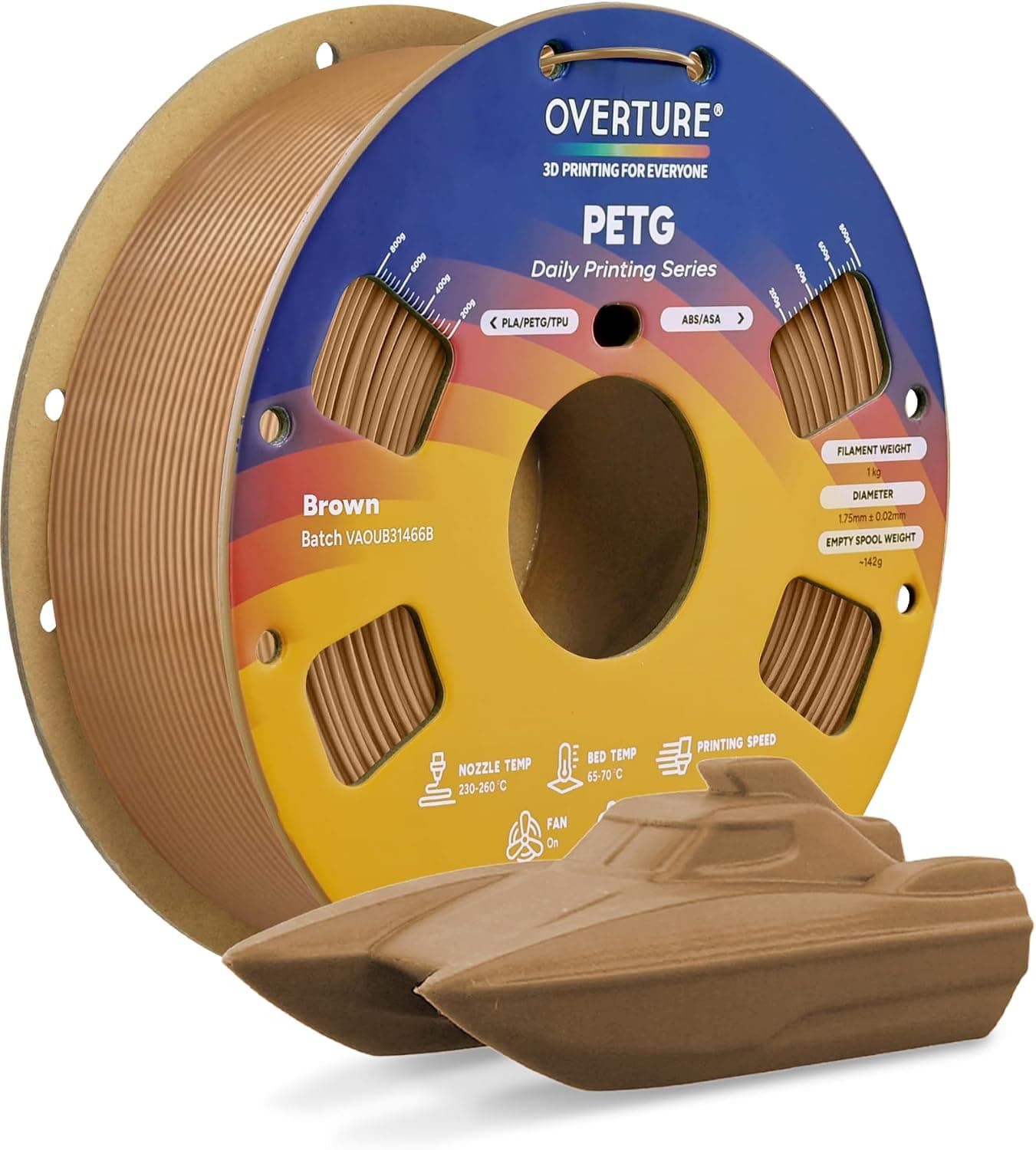
+ +/- 0.02mm stated tolerance is tight for smooth, even extrusion
From our guide: Best PETG Filament for Strong, Durable Prints (2026)
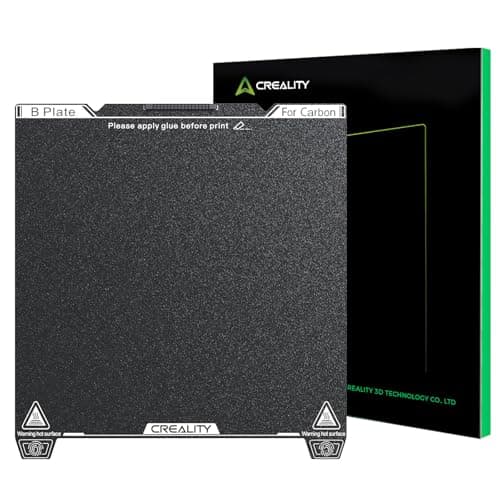
+ Dense textured PEI coating listed for strong adhesion, high temperature resistance and scratch resistance
From our guide: Best PEI Build Plates for Strong First Layers (2026)
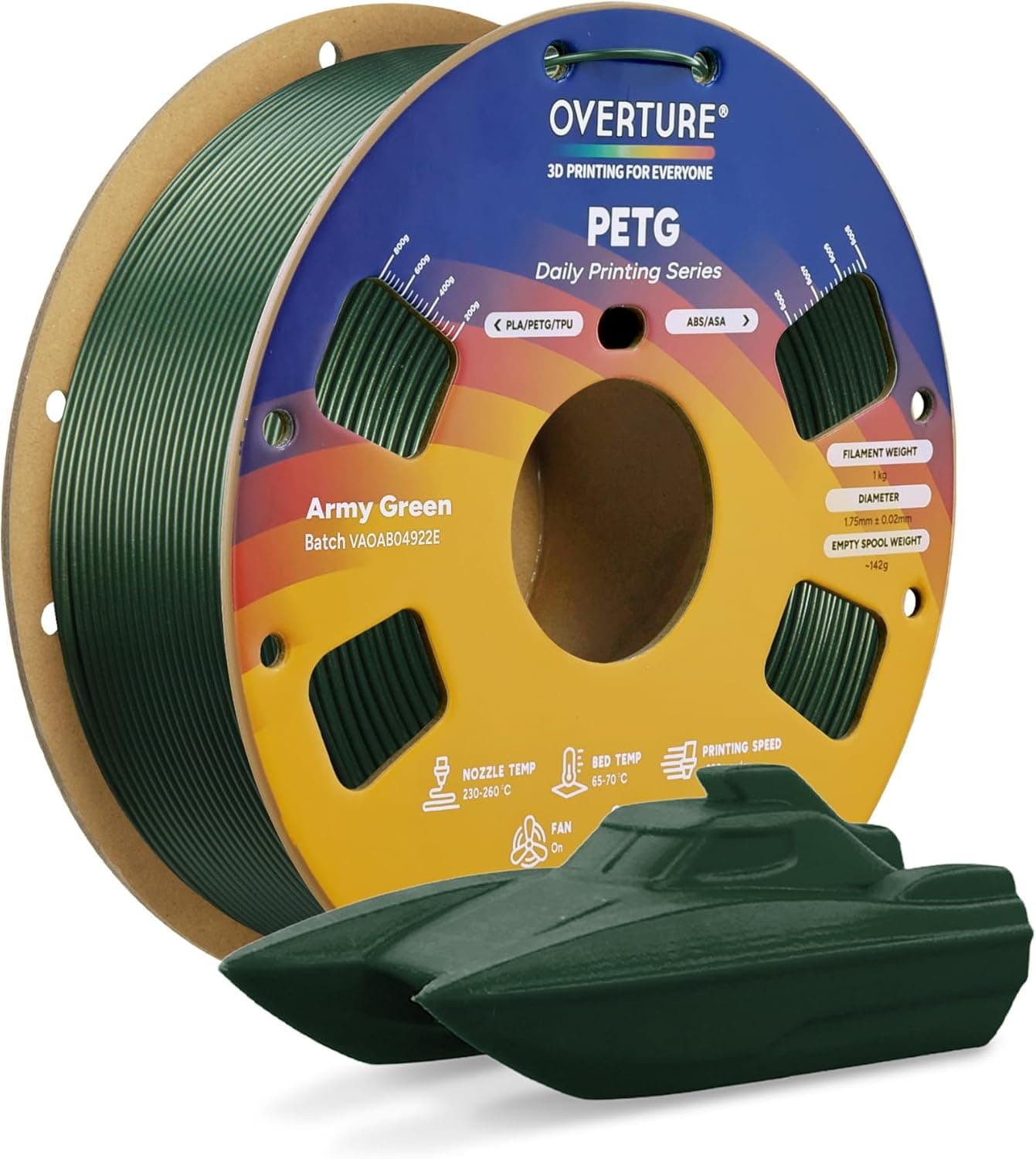
+ 6 colors give variety for AMS-style multi-color PETG projects
From our guide: Best PETG Filament for Strong, Durable Prints (2026)
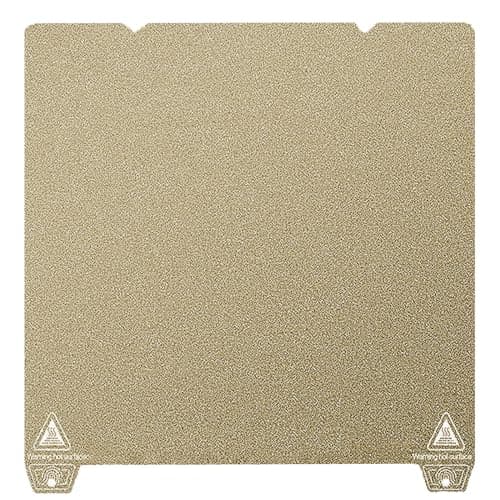
+ Frosted PEI coating on both sides, so the sheet can be flipped when one face wears
From our guide: Best PEI Build Plates for Strong First Layers (2026)
Temperature is the most powerful lever. Hotter plastic flows into and fuses with the previous layer more completely, so printing at the higher end of a material's range noticeably improves layer bonding. If a part is cracking along layers, raise the nozzle temperature by 5 to 10 C and reprint. There is a limit, since too hot causes stringing and drooping, so a temperature tower helps find the strongest setting that still prints cleanly.
Cooling works against adhesion, so reduce it when strength matters more than surface finish. Strong part cooling freezes each layer before it fully bonds, which is great for PLA detail but bad for structural parts. For load-bearing PETG or ABS, keep the fan low or off. This trades some overhang quality for a substantial gain in layer strength.
Orientation determines which way the weak layer lines run relative to the load. Because layers separate more easily than they break, orient the part so that the main stress runs along layers rather than across them. A hook printed lying down so its load pulls along the layers is far stronger than the same hook printed upright where the load tries to peel layers apart. Design the print position around the expected forces.
Walls and infill decide how much solid material carries the load. Extra perimeters, the solid outer walls, add more strength for functional parts than increasing infill does, because the walls form a continuous shell. For a strong part, three or four perimeters plus moderate infill often beats thin walls with dense infill. Infill patterns like gyroid or cubic distribute stress well in multiple directions.
Keep the filament dry, because moisture ruins layer bonding as surely as any setting. Wet plastic bubbles and pops at the nozzle, leaving voids and weak joints between layers no matter how hot you print. Combine dry filament, a suitably high temperature, reduced cooling for structural materials, smart orientation, and generous walls, and FDM parts can be surprisingly tough for real mechanical use.
When strength genuinely matters, prototype and test the actual part rather than trusting theory. Print it, apply the loads it will really see, and note how and where it fails. Parts almost always break along layer lines, so a quick failure test often reveals that simply reorienting the model, adding a perimeter, or raising the temperature a few degrees turns a fragile part into a durable one.
Popular right now
- 3D Printing Supports GuideArticle
- Best Resin 3D Printers for Sharp, Detailed Models (2026)Buying guide
- Best PTFE Tubing for Smooth Filament Feeding (2026)Buying guide
- Best Beginner 3D Printers for a Smooth First Print (2026)Buying guide
- 3D Printer Filament Temperature ChartArticle
- Best Budget 3D Printers for Value Under Pressure (2026)Buying guide
Based on the last 28 days of search and visitor data.