DEBLAN MGN9 MGN12 Miniature Linear Guide Rail 100-1000mm + MGN H/C Slide Carriage 3D Printer Review (2026)
Updated September 14, 2026 · Research-based review
Our verdict
DEBLAN's MGN linear rail kit is aimed at printer owners upgrading from stock V-slot wheels to ball-bearing linear motion, with a choice of MGN9 or MGN12 rail and H or C carriage across a wide 100 to 1000mm length range. Fit and mounting brackets are on the buyer to sort out.
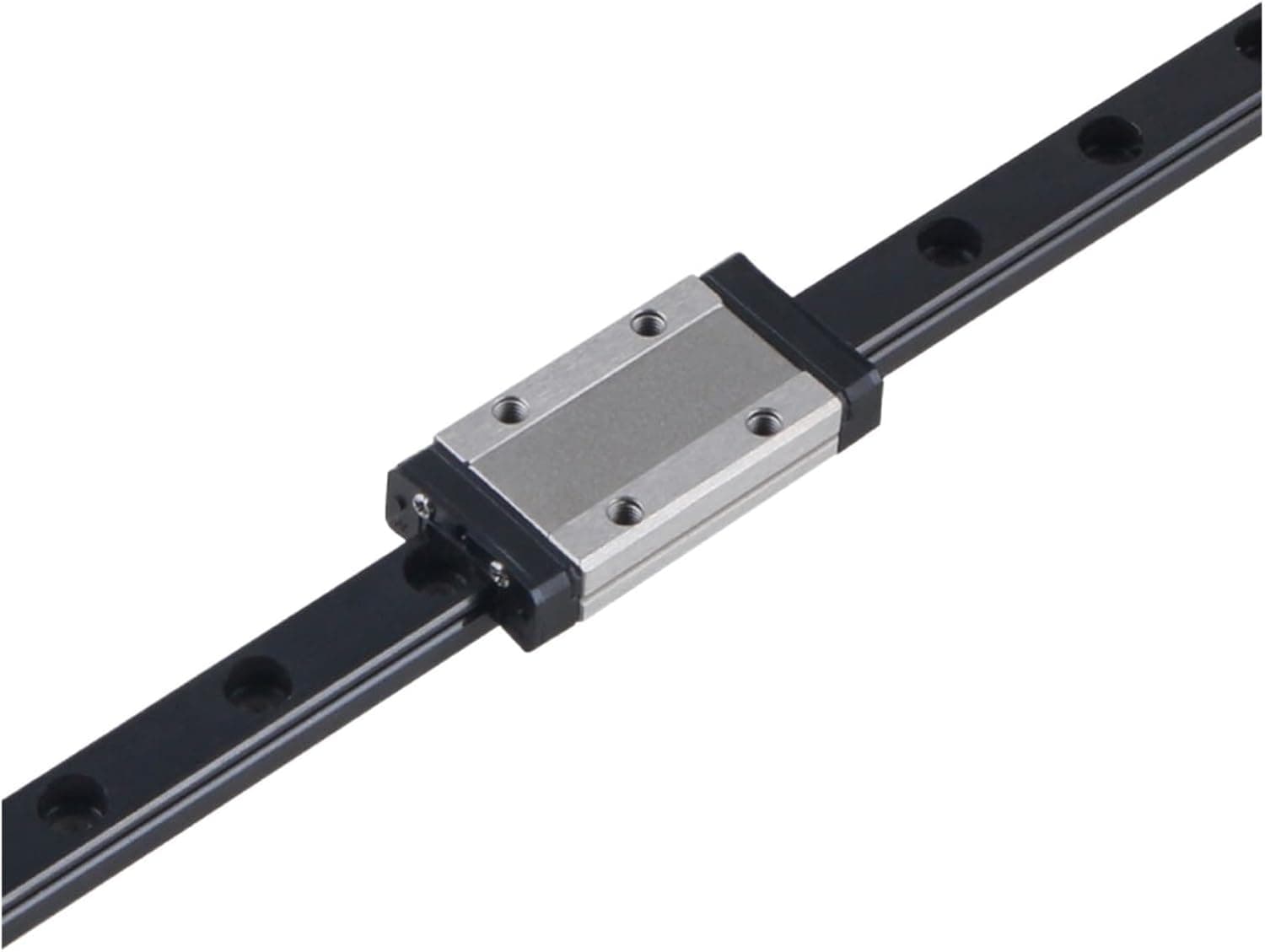
DEBLAN MGN9 and MGN12 miniature linear guide rails in 100-1000mm with H or C slide carriages for printers.
Price range: See on Amazon
What we liked
- + H or C carriage options let you trade stability for compactness
- + Miniature rails upgrade V-slot wheels for precise motion
- + Broad length range fits most desktop printer axes
Trade-offs
- - Carriage preload and smoothness vary on budget rails
- - Rail mods require printed brackets or new mounting plates
Who this rail kit is for
This kit targets printer owners doing a motion system upgrade or a scratch-built machine, replacing wheel-on-extrusion designs with a rail and recirculating ball carriage for smoother, more precise axis movement. The wide length range from 100mm up to 1000mm and the choice between MGN9 and MGN12 rail widths means the same product listing covers small delta printers, standard desktop machines, and larger CoreXY or gantry builds, so buyers need to measure their specific axis length and pick the matching rail size rather than assuming one size fits all builds. This is not a plug-and-play part for a stock printer; it is aimed at people comfortable designing or sourcing mounting brackets and adjusting their printer's frame to accept a rail-based motion system.
What MGN rails and H or C carriages mean
MGN9 and MGN12 refer to the rail width in millimeters, with MGN12 offering a larger, generally stiffer carriage suited to heavier gantries, and MGN9 offering a lighter, more compact option for smaller frames or toolheads where reducing moving mass matters. The H and C carriage options describe the carriage block length and mounting hole pattern, with H carriages typically longer for more stability and C carriages shorter and more compact for tight spaces. Linear rails work by running recirculating ball bearings between the profiled rail and the carriage block, which generally produces smoother, lower-friction motion than the wheel-and-V-slot systems found on many stock desktop 3D printers.
Installing and living with a rail upgrade
Fitting a linear rail typically requires either a printer frame designed around rail mounting from the start, or custom brackets to adapt an existing V-slot frame to accept the rail's bolt pattern, which is usually the most involved part of the upgrade. Once mounted, the carriage needs to move freely along the full rail length without binding, and preload, meaning how snugly the ball bearings sit against the rail, affects both smoothness and precision; too loose introduces play, too tight increases friction and wear. Regular light lubrication of the rail helps keep the ball bearings running smoothly and extends the life of the carriage, similar to maintenance recommended for linear rails on other precision equipment.
Trade-offs and how it compares
Against SENMIAO-TH's linear rail and carriage kits, which cover a similarly broad range of MGN sizes and lengths, DEBLAN's kit sits in the same general budget tier of generic rail suppliers rather than a name-brand linear motion company, so carriage smoothness and preload consistency can vary between individual units, a common characteristic of budget rails generally. Compared with sticking to stock V-slot wheels, any of these budget MGN rail kits should offer a meaningful precision and smoothness improvement, but buyers expecting industrial-grade consistency across every rail length and size option may be disappointed compared with rails from established linear motion brands. The broad size range is a genuine convenience for builders who need several different rail lengths across one machine's axes from a single listing.
Verdict and who should look elsewhere
For builders planning a motion system upgrade who are comfortable designing or fitting mounting brackets, this kit's wide range of MGN9 and MGN12 sizes and H or C carriage choice make it a practical, affordable way to source rails across multiple axis lengths. Owners hoping for a drop-in upgrade for a stock printer without any frame modification should expect this not to be that; some fabrication or bracket sourcing is part of the job. Anyone building a precision machine where carriage smoothness must stay reliably consistent should budget for rails from an established linear motion brand instead of a generic budget supplier.
Frequently asked questions
What is the difference between MGN9 and MGN12 rail?
The number refers to the rail width in millimeters; MGN12 is wider and generally stiffer, suited to heavier gantries, while MGN9 is lighter and more compact, often chosen for smaller frames or toolheads.
Do I need custom brackets to install this rail?
In most cases yes, unless your printer frame was already designed around rail mounting; adapting a stock V-slot frame typically requires printed or machined brackets to match the rail's bolt pattern.
What does the H or C carriage option change?
H and C describe the carriage block's length and mounting hole spacing, with H carriages usually longer for extra stability and C carriages shorter and more compact for tight builds.
Prices change often, so check the current price and availability on Amazon.
Check price on AmazonFilament Print Lab may earn a commission from the link above.